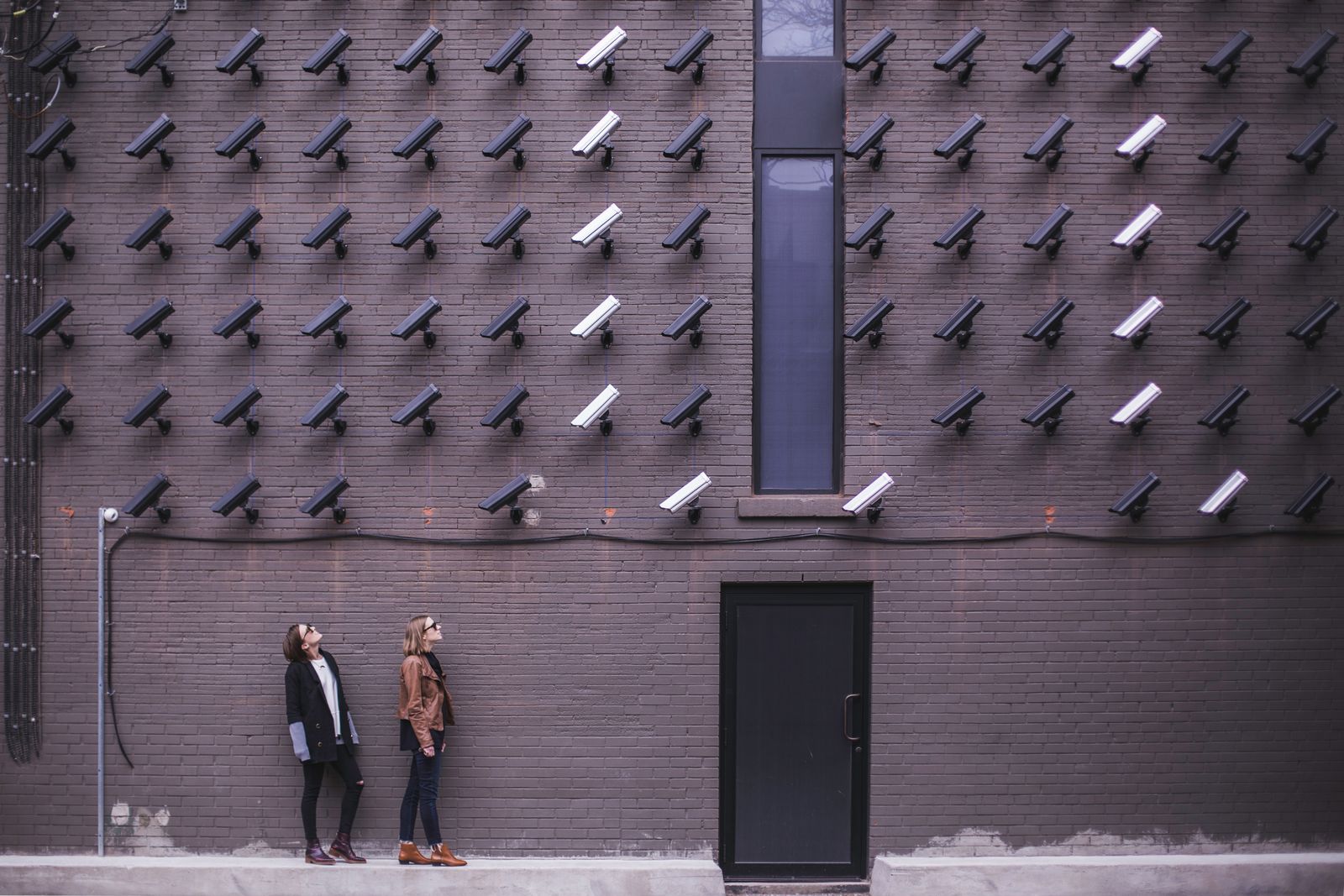
Cellular Solar Security Cameras vs. Wi-Fi Battery Cameras in Storm Outages: Uptime & Failure Analysis
Which camera system stays live and alerts you when a severe storm knocks out grid power and local internet?
Standard Wi-Fi battery cameras go offline the moment grid failure disables your home router or local ISP broadband node. A 4G cellular solar security camera remains 100% active by harvesting diffuse sunlight and transmitting alerts directly over cellular towers backed by industrial generators.
Storm Outage Resilience: Side-by-Side Scenario Analysis
| Storm Failure Scenario | Standard Wi-Fi Battery Camera | 4G Cellular Solar Camera (Solar Watch Cam) | Critical Engineering Difference |
| --- | --- | --- | --- |
| Grid Power Outage (Home AC Down) | Completely Offline (Router & modem lose power instantly) | 100% Active (Operates on internal battery + continuous solar) | Bypasses household AC power grid reliance entirely. |
| ISP Fiber / Cable Node Failure | Completely Offline (Broadband neighborhood nodes die in 2–4 hours) | 100% Active (Auto-connects to cell towers with diesel backup) | Transmits via cellular infrastructure built with emergency power reserves. |
| 3+ Days Heavy Overcast & Rain | Battery Drains in 24–48h (False triggers from wind-blown debris) | Continuous Uptime (Monocrystalline solar harvest + Smart AI filtering) | Monocrystalline panel converts diffuse sunlight while AI stops wasted alert cycles. |
| Ice Storm & Freezing Rain (-4°F) | Fails (Lithium battery shuts down; ice covers housing) | Operational (IP65 rated, wide thermal operating range -4°F to 122°F) | Engineered for sub-zero US climates with thermal management and ice shedding. |
| Physical Cable Damage / Fallen Trees | Blindspot (Severed coaxial or fiber cables halt transmission) | 100% Active (Wireless 4G LTE signal transmission) | Zero physical communication lines to snap or sever. |
Compare how each security camera architecture responds to real-world storm failure modes across electrical power, broadband ISP infrastructure, and extreme weather conditions.
System Vulnerabilities & Strengths During Severe Weather
Photo by Jan van der Wolf on Pexels
Pros
- Independent 4G LTE connection bypasses home Wi-Fi routers and ISP fiber line blackouts.
- Continuous monocrystalline solar charging eliminates ladder climbing and manual battery swaps.
- Multi-carrier auto-switching connects to the strongest signal across Verizon, AT&T, and T-Mobile.
- Smart AI motion detection filters wind and rain, preserving battery reserves during long storms.
- Dual storage options (US cloud storage + up to 128GB MicroSD local backup) prevent video loss during network congestion.
- Requires a valid 4G cellular data plan after the initial 7-day free trial.
- Requires clear sky exposure or optimized solar panel tilt to maximize diffuse light harvesting during multi-day overcast storms.
Visual Breakdown: The Storm Outage Chain of Failure
The diagram below illustrates the exact points of failure that knock Wi-Fi security cameras offline during severe weather, compared to the independent resilience of a 4G cellular solar security camera.
Storm Readiness Action Plan
Your decision: If your property experiences weather-related power outages or lacks dedicated, generator-backed Wi-Fi, transition to a 4G cellular solar camera system before storm season arrives.
Do this next: Audit your property's cellular signal strength (Verizon, T-Mobile, AT&T) at prospective mounting sites and deploy an all-in-one IP65-rated 4G solar camera pack.
Related resource: Explore technical guidelines on off-grid solar panel tilt angles and battery management during low-light winter months.
Equip remote locations with the Solar Watch Cam Pack (4G LTE, 2K HD, IP65 weatherproofing, integrated solar panel).
Take immediate steps to protect your property before the next severe weather event disrupts power and internet lines.
Essential Uptime Lessons for Off-Grid Property Owners
Key facts every rancher, farmer, and job-site manager must know about security camera behavior during severe weather blackouts.
Hardware Specifications for Severe Weather Survival
| Hardware Feature | Standard Wi-Fi Battery Camera | Solar Watch Cam (4G Cellular Solar) |
| --- | --- | --- |
| Network Connectivity | 2.4GHz Wi-Fi (Requires local router) | 4G LTE Auto-Switching (Verizon, AT&T, T-Mobile) |
| Primary Power Source | Internal Battery (Manual wall charge) | Monocrystalline Solar Panel + High-Capacity Battery |
| Resolution & Night Vision | 1080p HD / B&W Infrared | 2K HD / Full-Color Night Vision with Spotlight |
| Ingress Protection Rating | IP64 (Basic dust/splashing) | IP65 (Severe Rain, Snow, Jet-Water, Dust) |
| Operating Temperature | 32°F to 104°F (0°C to 40°C) | -4°F to 122°F (-20°C to 50°C) |
| Motion Detection AI | Basic PIR / High False Alert Rate | Advanced AI (Human, Vehicle, Animal Filtering) |
| Storage Backup | Cloud Only (Fails when Wi-Fi drops) | US Cloud + MicroSD Slot (up to 128GB local backup) |
| Multi-User Sharing | Single Account / Restricted | Simultaneous Live View Sharing (up to 4 users) |
Examine the technical hardware requirements needed to survive extreme weather, sub-zero freezes, and long-term power grid disruptions.
Pre-Storm & Post-Storm Solar Camera Maintenance Routine
- 30 Days Before Storm Season — Inspect solar panel glass surface for dirt, dust, tree sap, or bird droppings; clean with a soft microfiber cloth and clean water.
- 14 Days Before Storm Season — Verify solar panel tilt angle is set between 45° and 60° facing south to maximize winter sun harvesting and promote rain/snow shedding.
- 7 Days Before Expected Storm — Check the IP65 rubber weather seal around the MicroSD card slot and charging port to ensure a watertight seal against wind-driven rain.
- 24 Hours Before Storm Arrival — Confirm 4G cellular signal strength in the app and insert a MicroSD card (up to 128GB) to enable local backup recording during potential cloud congestion.
- Immediately Post-Storm — Check live view in the mobile app to verify camera orientation; inspect the panel for severe ice or heavy branch obstruction if power grid remains dark.
Decision Guide: Selecting the Right Camera for Your Property Risk Profile
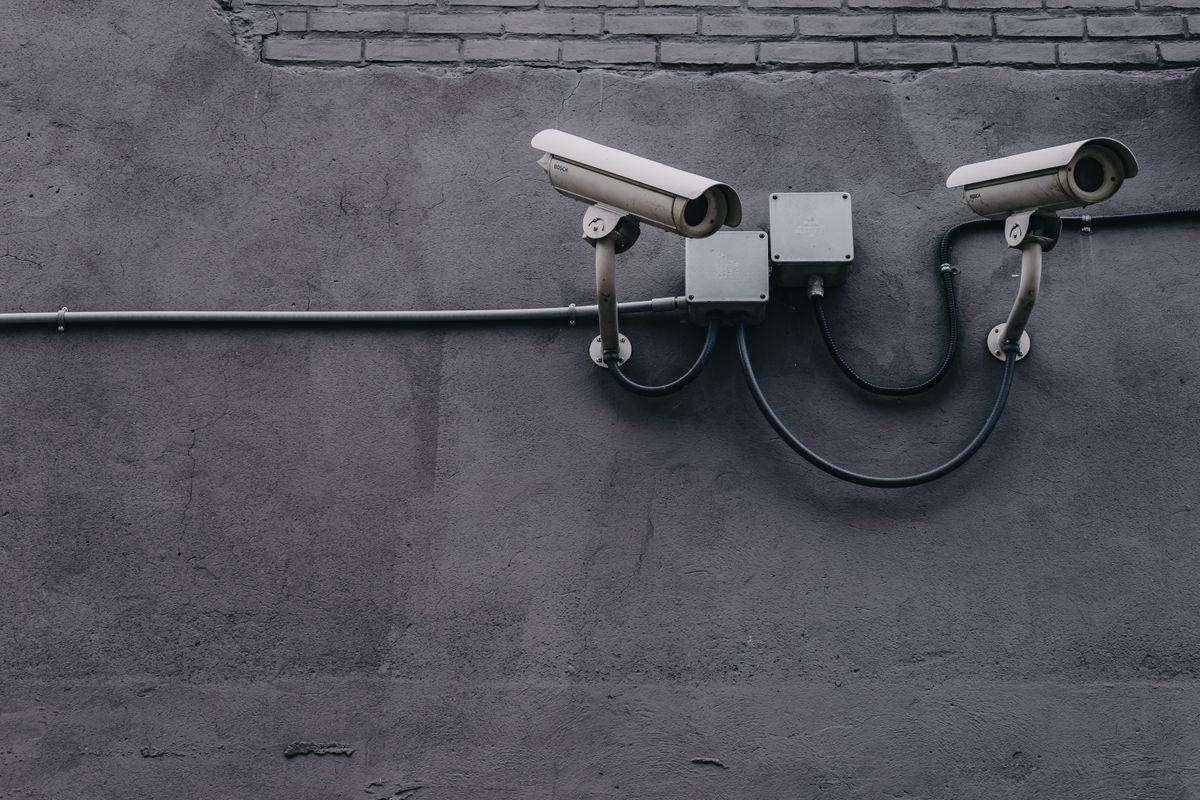
Photo by Scott Webb on Pexels
For properties vulnerable to severe weather power outages, 4G cellular solar cameras are superior because they bypass residential electrical grids, home routers, and neighborhood broadband cable nodes entirely.
Best choice for
- Solar Watch Cam (4G Solar) — Provides continuous 2K surveillance and real-time alerts across vast perimeters without needing Wi-Fi extenders or AC wiring.
- Solar Watch Cam (4G Solar) — Deploys in 10 minutes on posts or fences, stays charged via solar power, and deters theft with spotlight & two-way talk.
- Solar Watch Cam (4G Solar) — Stays online during regional winter storm blackouts, allowing 4 family members or security staff to monitor live streams.
- Avoid Wi-Fi battery cameras on properties where power outages exceed 1 hour, as home routers lack long-term battery backups.
- Avoid Wi-Fi battery cameras if your mounting location sits beyond 50 feet from your main internet router.
- Standard Wi-Fi Battery Camera with Industrial Uninterruptible Power Supply (UPS) — Feasible only if the home router and ISP modem are connected to heavy battery banks, though local neighborhood broadband cables can still fail.
Recommended Off-Grid Storm Security Solution
The top-rated all-in-one surveillance pack engineered specifically to withstand severe weather, power grid failures, and complete internet blackouts.
Real-World Weather Disasters: How Each Camera Responds
Hurricane / Tropical Storm with Regional Grid Outage & High Winds — Wi-Fi battery cameras lose connectivity immediately when AC power drops to the home router. High winds cause constant false motion triggers from shaking trees, rapidly draining remaining battery charge within 12 hours. In contrast, the Solar Watch Cam operates on internal solar battery power, uses smart AI to ignore branch movement, and transmits live 2K alerts via generator-backed 4G cell towers.
Winter Ice Storm & Freezing Rain (-4°F) with Cut Fiber Lines — Tree branches weighed down by ice snap utility lines, cutting power and physical broadband fiber cables. Wi-Fi cameras become completely isolated. The Solar Watch Cam's wireless 4G cellular transmission bypasses physical ground cables entirely, while its weather-sealed IP65 chassis handles sub-zero temperatures down to -4°F.
4-Day Overcast Thunderstorm System with Dense Cloud Cover — Low-tier solar security panels require direct intense sunlight and fail to charge under heavy storm clouds. The Solar Watch Cam utilizes high-efficiency monocrystalline solar cells that harvest ambient diffuse UV radiation, keeping the camera's low-power PIR sleep circuit powered indefinitely throughout multi-day storms.
Detailed operational breakdowns of security camera performance across three severe weather emergency scenarios.
The Hidden Vulnerability of Wi-Fi Battery Security Cameras
When property owners purchase a "battery-powered" Wi-Fi camera, they assume the battery provides total independence from grid outages. This is a dangerous misconception. While the camera's internal battery may hold a charge for several weeks, its ability to transmit live video, send push notifications, or save recordings to the cloud depends entirely on two external AC-powered systems:
During a severe storm blackout, a Wi-Fi battery camera becomes an isolated plastic shell—unable to notify you if trespassers, looters, or fallen trees breach your property.
---
Why 4G Cellular Networks Remain Online During Regional Disasters
In stark contrast to residential cable and fiber broadband networks, public cellular infrastructure in the United States is engineered as critical emergency infrastructure. Telecommunications carriers (Verizon, AT&T, and T-Mobile) build cell towers under strict federal resilience standards:
- Industrial Battery Banks: Every major macro cell tower features large DC battery banks that kick in instantly during power grid drops without dropping connection frames.
- On-Site Diesel Generators: For extended grid blackouts lasting days or weeks, cell towers are equipped with automated on-site diesel or natural gas generators and bulk fuel tanks. Fuel delivery trucks prioritize cell tower refuels during state emergency declarations.
---
Solar Harvesting Mechanics During Multi-Day Storm Cloud Cover
Another common concern among rural property owners is whether a solar-powered camera can survive 3 to 5 consecutive days of heavy rain and dark storm clouds. Understanding solar photon harvesting clarifies why modern panels do not fail under overcast conditions.
Standard low-efficiency polycrystalline solar panels require direct, unshaded sunlight to generate charging voltage. However, high-grade monocrystalline solar panels (like the integrated panel on the Solar Watch Cam) harvest diffuse solar radiation—ultraviolet and shortwave visible light that penetrates cloud cover.
While charging current drops from 100% efficiency on sunny days down to 15%–25% efficiency under heavy overcast clouds, the camera's ultra-low idle power draw balances the equation. When no motion is detected, the camera enters a deep PIR sleep state consuming micro-amps of power. When a person, vehicle, or animal approaches, the Smart AI wakes the camera, records the event, streams the alert over 4G LTE, and returns to sleep. This hyper-efficient energy balance ensures the internal battery charge remains steady throughout extended multi-day storms.
Explore Related Off-Grid Security Resources
Expand your knowledge on off-grid power management, seasonal battery performance, and cellular connectivity for remote properties:
- Off-Grid Solar Security Camera Winter Charging Guide — Technical strategies for maintaining maximum battery efficiency during dark winter months and sub-zero freeze events.
- US Peak Sun Hours Map for Solar Surveillance — Regional solar radiation analysis to help you optimize solar panel tilt angles across rural American properties.
- Cellular Security Camera Connectivity FAQ — In-depth answers regarding signal strength evaluation, multi-carrier SIM auto-provisioning, and job-site mounting placement.
Frequently Asked Questions About Storm Outage Security
Clear, expert answers to common technical questions regarding cellular performance, solar charging, and severe weather operation.
Final Action & Next Steps
Your decision: Transition your property surveillance to an independent 4G cellular solar security system before the next severe storm season hits.
Do this next: Audit your property boundaries, test cellular signal coverage across major carriers, and mount a Solar Watch Cam Pack in under 10 minutes.
Related resource: Visit solarwatchcam.com for complete technical specifications and 4G cellular data trial details.
Order the Solar Watch Cam Pack today — featuring auto-switching 4G LTE, continuous solar power, 2K HD color night vision, and IP65 weather resistance.
Ensure your off-grid property, ranch, or job site stays fully protected year-round—even during severe power outages and storm blackouts.
Cover photo by Burst on Pexels.