Off-Grid Video Data Security FAQ: Protecting Cloud & Local Storage on Remote 4G Cameras
Scenario: You manage a remote Texas ranch, a rural Montana cabin, or an unpowered job site in Georgia with no Wi-Fi, no utility power, and high valuable equipment exposure. You need to know if video footage captured by a remote camera can be stolen, intercepted over the air, or lost if a trespasser destroys the hardware.
Answer: A secure 4G solar camera encrypts video data end-to-end over cellular networks using AES-128/256 standards before uploading to US-based cloud servers. Combining local microSD storage with automatic cloud backups guarantees your footage remains accessible even if cellular service temporarily drops or the physical camera is stolen.
Storage Redundancy Decision Framework: Cloud vs. MicroSD vs. Dual
For maximum security on remote US properties, combining local encrypted SD card storage with immediate US-based cloud backup ensures video evidence remains safe even if the physical camera is damaged or stolen.
Best choice for
- Hybrid Dual Storage (128GB SD + US Cloud) — Provides instant offline continuous backup while instantly uploading clip events to encrypted cloud servers over 4G LTE.
- Local SD Storage with Automatic Upload Queuing — Captures event footage locally during temporary cellular dropouts and syncs to cloud once connectivity recovers.
- Relying solely on an unencrypted SD card without cloud backup on an easily accessible low-mount pole.
- Using unencrypted public P2P streaming protocols on unverified overseas servers.
- Local SD Card Only — Zero ongoing storage costs, but highly vulnerable if an intruder physically steals or destroys the camera unit.
- Cloud Storage Only — Completely immune to physical camera theft, but depends on active cellular data coverage for event uploads.
Expert Field Tip: Hardening Physical and Digital Security on Off-Grid Sites
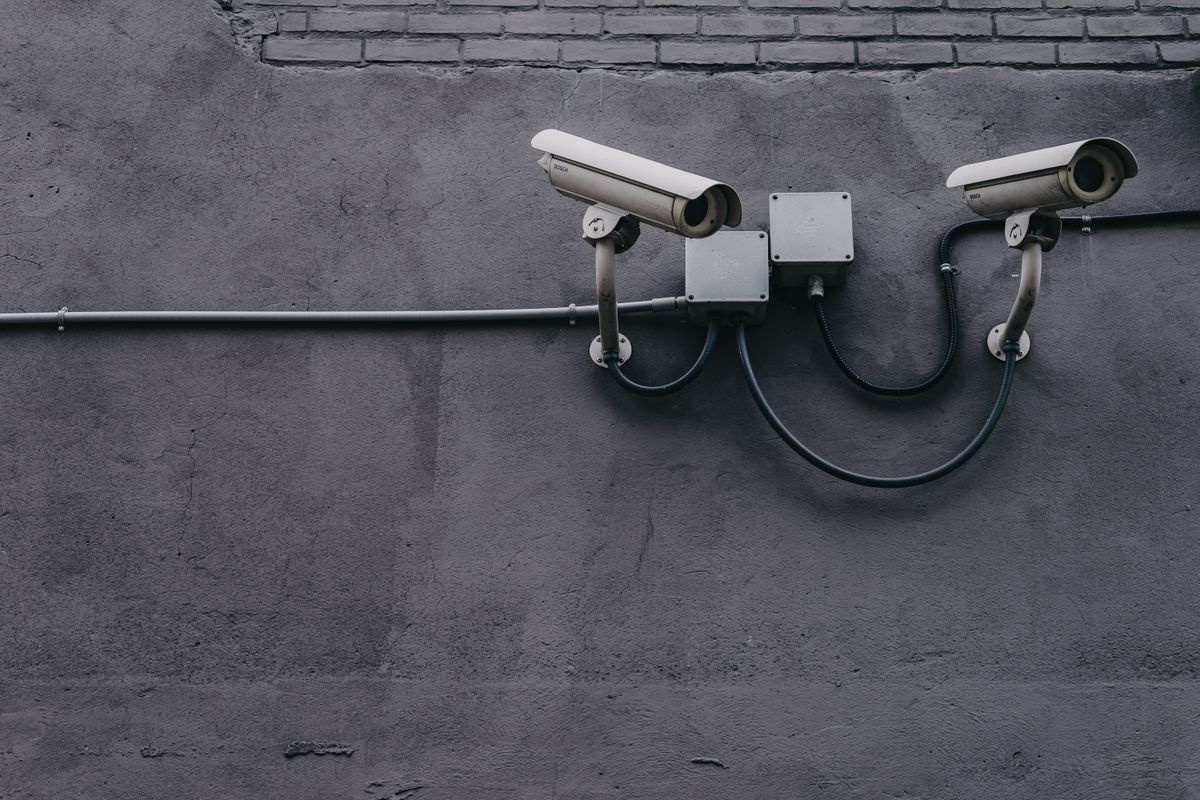
Photo by Scott Webb on Pexels
Mounting height is your first line of defense against physical data theft. In the field, security professionals recommend mounting off-grid cellular solar cameras at a minimum height of 9 to 12 feet on sturdy wooden posts, steel pipes, or building eaves.
- Prevent Manual Extraction: Placing the unit out of arm's reach ensures a trespasser cannot quickly reach up and pop out the microSD card or sever cables.
- Enable Multi-Factor Authentication (MFA): When sharing live access with up to 4 crew members or family members, always enforce MFA within the mobile application. This prevents password guessing and ensures only authorized users can view 2K live feeds or cloud clip archives.
- Stealth Conduit Wiring: Keep solar panel power cables tucked tightly behind the mounting bracket or inside flexible metallic conduit so cutters cannot disable power or sensor lines.
Interactive Path: Determining Your Ideal Off-Grid Data Backup Strategy
- Is your installation site accessible to trespassers or foot traffic below 9 feet? → Yes: High physical theft risk: Enable US Cloud Event Backup immediately so clip evidence streams off-site instantly.. No: Standard physical security: Proceed to signal evaluation.
- Does the site experience intermittent cellular coverage or occasional signal drops? → Yes: Install a high-endurance 128GB microSD card for local buffer recording during cellular outages.. No: Full 4G LTE coverage available: Activate dual local microSD loop recording + 30-day cloud backup for maximum redundancy.
Local SD Card Storage vs. US Cloud Storage Security Matrix
| Security Feature | Local microSD Storage (Up to 128GB) | US-Based Cloud Storage (30-Day Free Trial) |
| --- | --- | --- |
| Physical Theft Resilience | Low — Footage lost if stolen unless mounted high out of reach. | High — Clips upload in real-time over 4G LTE; preserved off-site. |
| Network Dependency | Zero — Records motion clips even during 100% cellular outage. | Requires 4G LTE connection (Verizon, T-Mobile, or AT&T). |
| Data Encryption Standard | FAT32/exFAT local filesystem encryption. | TLS/SSL in-transit & AES-128/256 resting cloud encryption. |
| Capacity Management | Automated loop recording (overwrites oldest unlocked clips). | Rolling cloud retention plans (e.g., 7-day or 30-day history). |
| Remote Retrieval Speed | Streams directly from camera over cellular data band. | Rapid playback served directly from high-speed US cloud nodes. |
| Ongoing Subscription Cost | Zero monthly cost (card sold separately). | Included free for first 30 days; optional affordable renewal. |
Compare the core performance, data protection, and operational trade-offs between onboard microSD local storage and secure US-based cloud storage for off-grid cellular solar security cameras.
Featured Off-Grid Security Hardware: Solar Watch Cam Pack
For total peace of mind on remote properties, the Solar Watch Cam delivers 100% wire-free 4G LTE connectivity, self-sustaining solar power, and complete data security out of the box.
- No Wi-Fi Needed: Connects automatically to the strongest 4G LTE signal from Verizon, T-Mobile, or AT&T.
- Solar Powered Zero-Maintenance: High-efficiency solar panel keeps the internal battery charged year-round in snow, rain, or heat (-4°F to 122°F).
- 2K HD Video + Color Night Vision: Ultra-crisp resolution with built-in spotlight captures clear faces, license plates, and vehicle details.
- Smart AI Threat Detection: Filters out wind, shadows, bugs, and leaves—alerting you only to actual humans, vehicles, or animals.
- Dual Storage Protection: Includes 30 days of free secure US cloud storage and supports local microSD cards up to 128GB.
- Multi-User Access: Share live stream viewing with up to 4 family members, job site foremen, or security guards.
Key Takeaways: Protecting Remote 4G Surveillance Data
- 4G LTE cellular data streams use bank-level carrier encryption (TLS/SSL), making them far more secure than open remote Wi-Fi routers.
- US-based cloud storage preserves video evidence in real time, so even if a thief steals or breaks the camera, the recording of their face and vehicle is safe.
- Local microSD cards up to 128GB provide uninterrupted backup recording during temporary cellular signal drops.
- Loop recording automatically overwrites the oldest unlocked video clips once memory capacity is reached, eliminating manual formatting headaches.
- Mounting hardware at least 9 feet high prevents unauthorized physical access to the microSD slot and solar cables.
Off-Grid Camera Data Security Audit Checklist
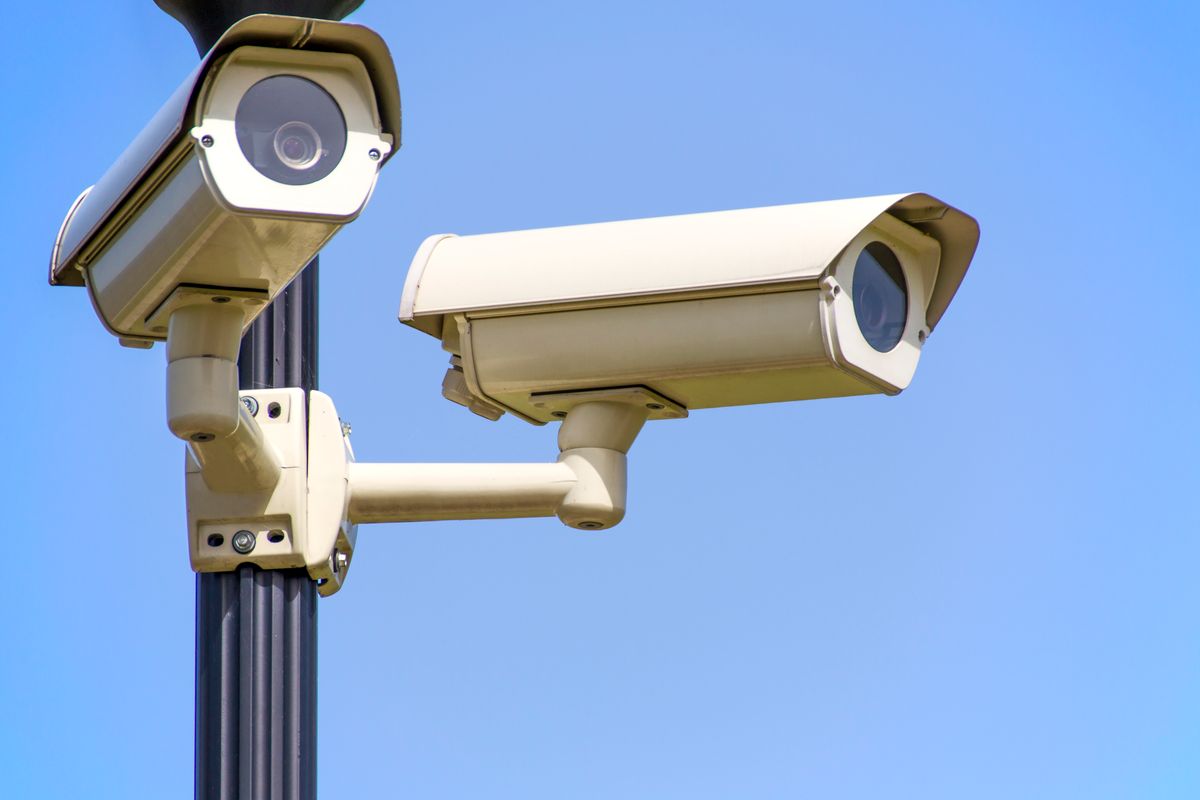
Photo by AS Photography on Pexels
- Update default administrator password and set up complex app credentials upon initial unboxing.
- Verify cellular data connection shows active signal on Verizon, T-Mobile, or AT&T network.
- Format microSD card (up to 128GB) directly within the companion mobile application.
- Enable AES-encrypted event cloud backup in the camera settings menu.
- Mount camera at least 9 feet high to prevent physical microSD extraction by trespassers.
- Configure Smart AI Motion Detection to reduce false alerts and optimize cellular bandwidth.
- Verify two-factor authentication (2FA) for all shared account users (up to 4 members).
- Test offline recording capability by temporarily disconnecting the SIM card or cellular antenna.
5 Critical Data Security Errors Remote Property Owners Make
Avoid these common pitfalls to ensure your off-grid surveillance video remains intact, accessible, and fully secure.
Frequently Asked Questions: 4G LTE Video Data Protection
What happens to my footage if a thief steals the camera with the micro-SD card inside?
While physical SD card footage on the stolen device is lost if unencrypted, cloud-enabled 4G cameras automatically transmit motion event clips in real time over the 4G LTE network to secure US cloud servers during the event. This guarantees that video showing the intruder approaching and tampering with the camera is safely preserved off-site on your mobile app.
Is 4G cellular data transmission more secure than remote Wi-Fi networks?
Yes. 4G LTE cellular transmission utilizes SIM-based hardware cryptographic authentication and carrier-grade encrypted channels (TLS/SSL). Unlike remote Wi-Fi setups—which are vulnerable to password interception, router spoofing, and local de-authentication attacks—cellular camera connections operate on dedicated carrier bands without exposed local access points.
How does loop recording work when the micro-SD card reaches 128GB capacity?
Loop recording automatically manages local storage by overwriting the oldest unlocked video files with new motion detection clips once the 128GB card fills up. Locked or manually saved event clips are protected from being overwritten, ensuring continuous, maintenance-free recording without manual card wiping.
Can unauthorized users access my live camera stream if they obtain the camera's IP or IMEI number?
No. Accessing the live video stream or settings requires authenticated account credentials, unique device security keys, and encrypted session tokens within the app. Possessing a physical IMEI or carrier IP address alone does not allow anyone to bypass encryption protocols or view video streams.
Does cloud storage continue uploading if cellular signal drops temporarily?
If cellular signal drops momentarily during a storm or network outage, video events buffer safely onto the internal storage or local microSD card. Once 4G LTE cellular connectivity recovers, the camera automatically syncs and uploads queued event clips to the US cloud server.
Detailed answers to the most common questions regarding remote cellular transmission, physical camera theft, and cloud storage privacy.
Recommended Next Actions for Off-Grid Data Protection
Your decision: Choose a redundant storage strategy combining local high-endurance SD cards with secure US cloud backing.
Do this next: Audit your remote camera installation height, set unique app access credentials, and activate cloud event mirroring on your 4G solar camera.
Related resource: https://solarwatchcam.com
https://solarwatchcam.com
Take these steps today to secure your remote property against intruders, equipment theft, and data loss.