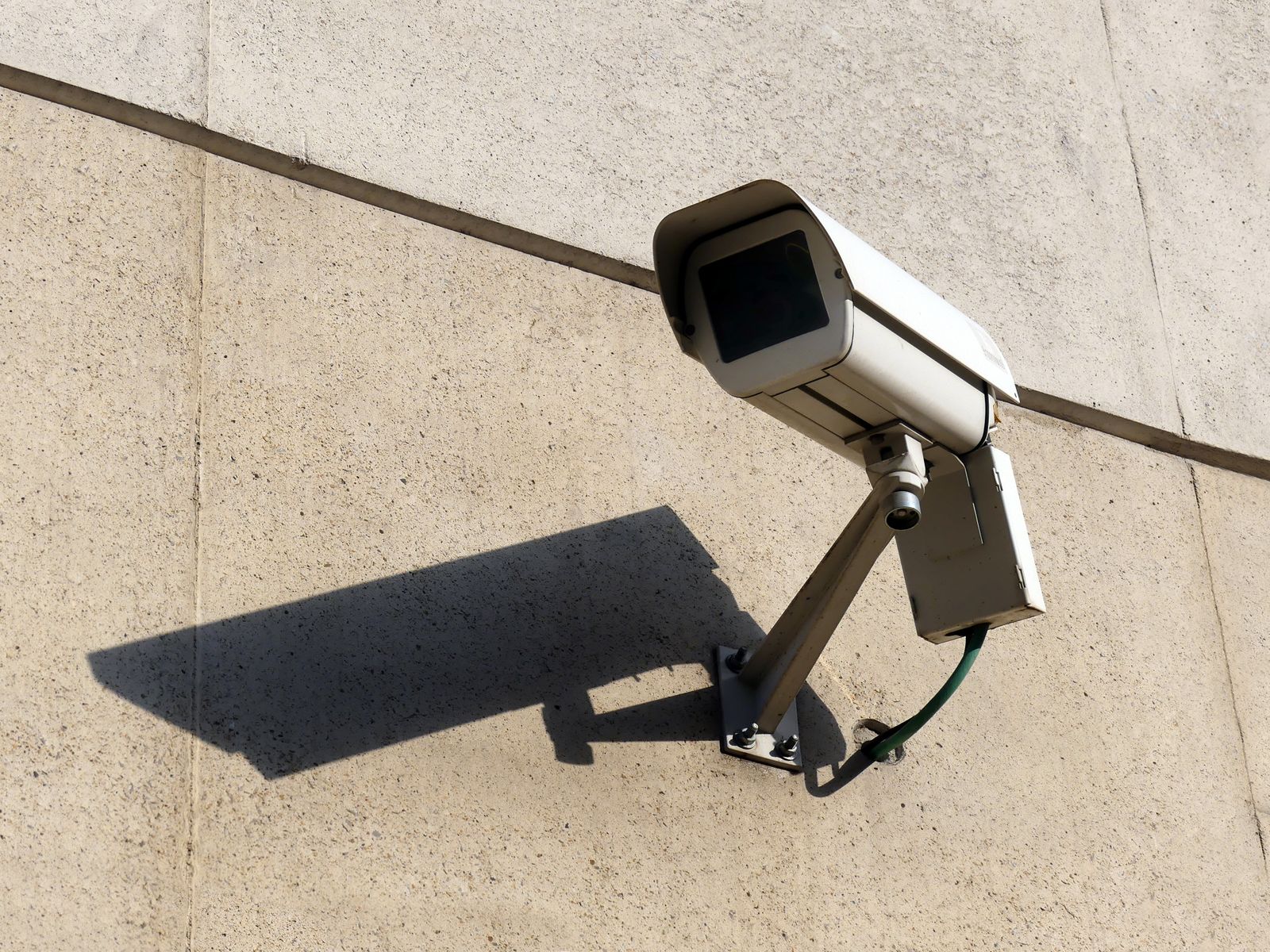
IP65 Weather Resistance FAQ: Protecting Your 4G Solar Camera from Heavy Rain and Dust
A severe thunderstorm rolls over a Texas ranch, dropping 2 inches of rain in 30 minutes while dust devils sweep across the access road. Will your camera survive?
An IP65 rating certifies that a solar security camera is completely dust-tight (digit '6') and protected against direct low-pressure water jets from any angle (digit '5'). For off-grid 4G solar cameras on US ranches, construction job sites, and remote properties, IP65 guarantees full hardware survival against driving rain, blowing dirt, snow, and extreme temperatures (-4°F to 122°F) without requiring additional protective enclosures.
Is an IP65 4G Solar Camera Right for Your Property Environment?
An IP65-rated 4G solar camera is engineered specifically for harsh, unmonitored outdoor locations subject to blowing dust, mud, torrential rain, and extreme summer heat.
Best choice for
- Solar Watch Cam (Pack) — Complete resistance to high dust levels (6) and driving rain (5) keeps optical sensors and internal circuit boards clean and dry.
- Solar Watch Cam (Pack) — Sealed housing prevents fine drywall, cement, and dirt particles from clogging internal electronic boards or corroding battery connections.
- You require total underwater submersion (such as placing a camera inside a livestock water storage tank), which requires an IP67 or IP68 rating.
- You plan to clean equipment directly with high-pressure, high-temperature industrial power washers at point-blank range (requires IP69K rating).
- Custom Heavy-Duty Stainless Steel NEMA Enclosure — Only necessary for specialized industrial chemical processing plants or permanent marine saltwater submersion environments.
Weather Protection Troubleshooting: Diagnosing Seal & Environmental Issues
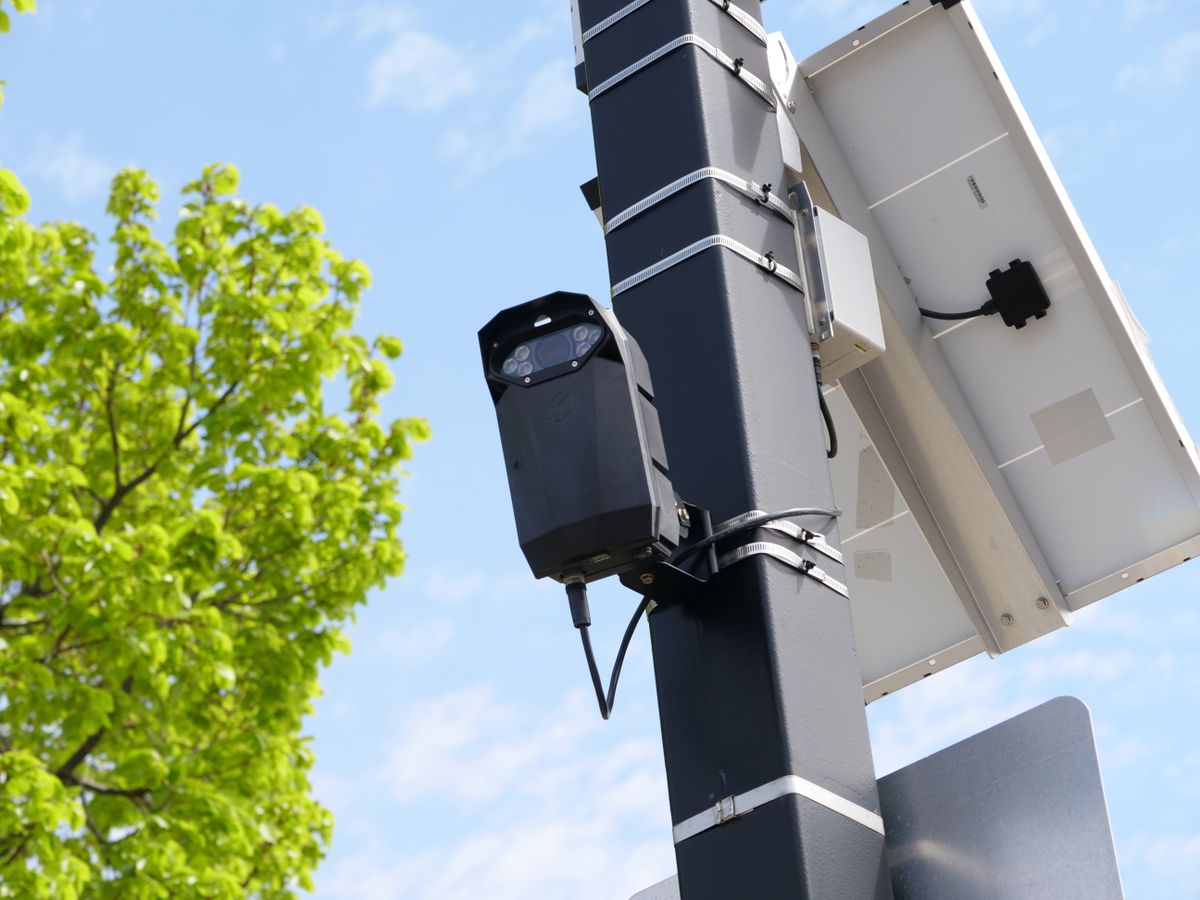
Photo by Giant Asparagus on Pexels
| Symptom / Environmental Issue | Probable Physical Cause | Immediate Corrective Action | Long-Term Prevention |
| --- | --- | --- | --- |
| Internal lens fogging / moisture droplets inside glass hood | Rubber micro SD/USB port cover opened in humid conditions or left unseated, trapping ambient moisture. | Bring camera indoors, unmount, remove rubber flap, and leave in a warm, dry room for 24 hours. Reseat flap flush. | Never open weather ports during active rainfall, high humidity, or dust storms. |
| Water accumulation inside rubber port cavity | Solar panel micro USB plug not pushed past the inner compression gasket lip. | Disconnect power, dry cavity with microfiber cloth or compressed air, then reinsert plug firmly past the silicone stop ring. | Form a downward 2-inch drip loop in the solar panel cable directly below the camera entry point. |
| False AI motion alerts during high wind rainstorms | Camera lens covered in muddy water spots or optical reflection from night-vision spotlight. | Wipe outer glass dome clean using isopropyl alcohol and a clean microfiber cloth. | Mount camera with a slight downward angle (15° to 30°) so water beads roll off naturally. |
| Gradual drop in solar charging efficiency on dirt roads | Layer of fine field dust, pollen, or agricultural film coating the solar glass face. | Spray solar panel with clean water or wipe with a damp soft cloth to restore photovoltaic intake. | Establish a bi-annual visual inspection schedule before summer heat and winter freeze cycles. |
Use this practical matrix to diagnose and resolve physical weather exposure issues on your remote 4G solar camera before internal moisture or grime causes permanent hardware failure.
5-Point Pre-Storm Weatherproofing Checklist
- Verify the micro SD and USB charging port rubber flap is pressed completely flush with the camera casing.
- Check that the solar panel power cable connector is firmly seated to the stop mark with zero exposed copper or plug gaps.
- Ensure the camera body is angled slightly downward (at least 15°) so rainwater drains off the glass lens hood naturally.
- Confirm the 4G cellular antenna thread is hand-tightened with the rubber O-ring gasket fully compressed.
- Wipe the glass lens cover and solar panel face with a clean microfiber cloth to remove dust buildup and prevent water spot distortion.
Diagram: Anatomy of an IP65 Weatherproof 4G Solar Camera
This cross-sectional breakdown illustrates the mechanical barrier system engineered to keep driving water and dust out of internal cellular and camera electronics.
Interactive Tool: Site Climate Weatherproofing Assessor
Evaluate your remote site's weather profile against IP65 operating thresholds to determine optimal mounting angles and maintenance intervals.
Key Takeaways: IP65 Durability in Real-World US Climates
- Dust-Tight Engineering (6): IP65 certified housing prevents fine dirt, field dust, and sand from entering the camera body or damaging optical sensors.
- Water Jet Resistance (5): Engineered to withstand direct driving rainstorms and low-pressure hose sprays from any direction without water penetration.
- Wide Temperature Operating Window: Reliable year-round performance across extreme US climate conditions, operating continuously from -4°F to 122°F.
- No Wi-Fi or Wiring Needed: Combines IP65 ruggedness with 4G LTE cellular connectivity across Verizon, AT&T, and T-Mobile for total off-grid independence.
- Simple Port Maintenance: Physical seals only fail when rubber covers are left partially unseated; periodic visual checks ensure 100% weather integrity.
Recommended Off-Grid Equipment: Solar Watch Cam (Pack)
Stop stressing over security for your off-grid property. The Solar Watch Cam (Pack) delivers full IP65 weatherproof security engineered specifically for US ranches, rural farm homes, job sites, remote cabins, barns, and vacation properties.
- No Wi-Fi, No Wire, Works Anywhere: Connects automatically out-of-the-box using built-in 4G LTE service on Verizon, T-Mobile, or AT&T.
- Solar Powered Independence: The heavy-duty solar panel keeps the internal battery charged year-round—zero electric bills, zero charging ladders, zero maintenance hassle.
- 2K HD Resolution & Full Color Night Vision: Integrated spotlight provides vivid color night vision to capture faces and license plates clearly.
- Smart AI Detection: Filters out leaves, bugs, and blowing dirt—sending alerts only when people, vehicles, or animals enter your zone.
- Rugged All-Weather Housing: Built to withstand weather extremes from -4°F to 122°F with full IP65 water and dust protection.
IP Rating Comparison: IP65 vs. IP66 vs. IP67 for Outdoor Surveillance
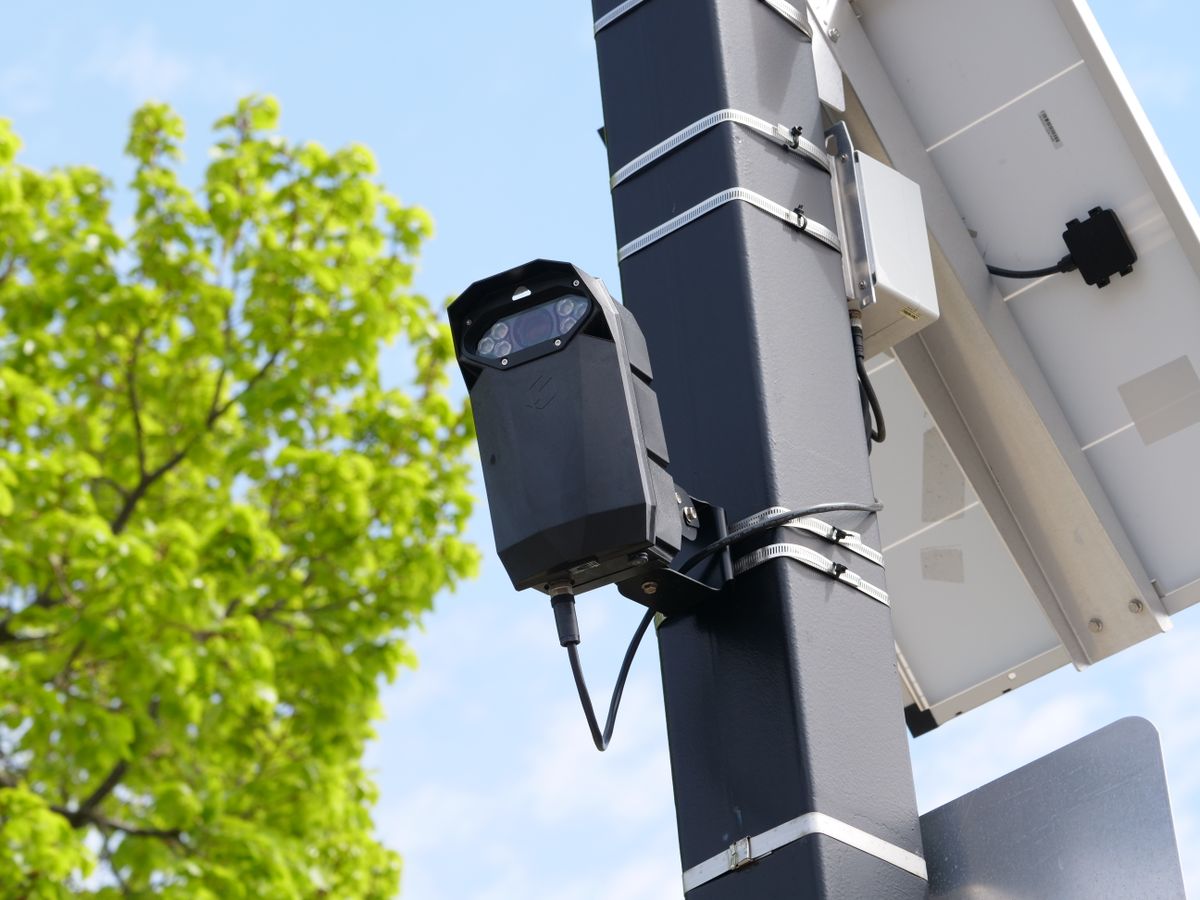
Photo by Giant Asparagus on Pexels
| Ingress Protection Rating | Solid Particle Protection (Dust) | Liquid Protection (Water) | Best Security Application | Maintenance Requirement |
| --- | --- | --- | --- | --- |
| IP65 (Solar Watch Cam) | Level 6: Complete protection against fine dust, dirt, and sand ingress. | Level 5: Protected against water jets projected by a nozzle (6.3mm) from any angle. | Remote ranches, construction sites, farm gates, unpaved roads, and off-grid cabins. | Inspect rubber port covers during seasonal maintenance. Hand clean lens occasionally. |
| IP66 | Level 6: Complete protection against fine dust, dirt, and sand ingress. | Level 6: Protected against powerful water jets (12.5mm nozzle, high-pressure heavy seas). | Coastal docks, boat slips, marine commercial vessels, and heavy chemical plants. | Requires heavy marine-grade housing checks to avoid salt crusting on mechanical joints. |
| IP67 | Level 6: Complete protection against fine dust, dirt, and sand ingress. | Level 7: Protected against short-term immersion in water up to 1 meter (3.3 ft) for 30 min. | Underground drainage pipes, flood zone monitoring pits, and submerged marine gear. | Requires continuous gasket replacement if exposed to direct UV sunlight for years. |
Understanding how different Ingress Protection levels compare helps property owners avoid overpaying for unnecessary specs or buying under-protected retail cameras.
Solar Watch Cam IP65 Technical Specifications & Tolerances
| Specification Category | Hardware Details & Operational Ratings |
| --- | --- |
| Ingress Protection Rating | IP65 Certified (EN 60529 / IEC 60529 Standard for Dust Tightness & Low-Pressure Water Resistance) |
| Operating Temperature Window | -4°F to 122°F (-20°C to 50°C) |
| Housing Material & UV Resistance | High-impact polycarbonate ABS composite with UV-stabilized anti-yellowing casing |
| Weather Seals & Gaskets | Multi-lip silicone rubber port covers and synthetic O-ring antenna seals |
| Power & Solar Charging Interface | Weather-sealed USB power port with reinforced silicone boot connection to solar panel |
| Cellular Network Hardware | Built-in multi-carrier 4G LTE module (Auto-selects strongest signal: Verizon, AT&T, or T-Mobile) |
| Video Sensor & Night Vision | 2K HD resolution with integrated spotlight for full color night vision up to 30 feet |
| Storage Options | Includes 30 days free cloud storage; supports MicroSD card up to 128GB (sold separately) |
Review the full engineering and weatherproofing specifications of the Solar Watch Cam Pack.
Common Weatherproofing Mistakes That Void IP65 Protection
Even the most durable IP65 hardware can fail if installed incorrectly. Avoid these four common operational errors on off-grid properties:
Frequently Asked Questions: IP65 Durability & Maintenance
Get direct answers to common weatherproofing, cleaning, and severe weather operating questions for off-grid cellular solar cameras.
Related Weather & Hardware Guides for Off-Grid Security
Explore deeper technical topics on maintaining and optimizing cellular solar security cameras across remote US locations:
- Sub-Zero Winter Survival: How Off-Grid 4G Solar Cameras Survive Freezing Temperatures (-4°F)
- Extreme Heat Management: Preventing Solar Camera Overheating and Battery Drain in 122°F Summer Heat
- Off-Grid Mounting Solutions: Best Practices for Installing Solar Cameras on Fence Posts, Trees, and Job Site Poles
- Cellular Signal Optimization: How 4G LTE Auto-Switching Maintains Connection in Low-Coverage Rural Areas
How to Prepare Your Solar Security Setup for Extreme Weather
Your decision: If your remote property experiences driving rain, high dirt road dust, or extreme summer heat, the IP65-rated Solar Watch Cam Pack provides full hardware protection without requiring extra housings.
Do this next: Inspect your installation site, ensure all rubber port covers are firmly seated flush before mounting, and position the camera with a 15° to 30° downward angle to facilitate natural water runoff.
Related resource: Ranch & Farm Security Camera Placement Guide: Positioning Cameras for Maximum CoverageSolar Watch Cam (Pack) - Zero Wi-Fi, zero wiring, full IP65 rating with 4G LTE coverage across Verizon, AT&T, and T-Mobile.
Securing your remote property requires reliable hardware that never goes offline when severe weather hits.
Cover photo by Atypeek Dgn on Pexels.