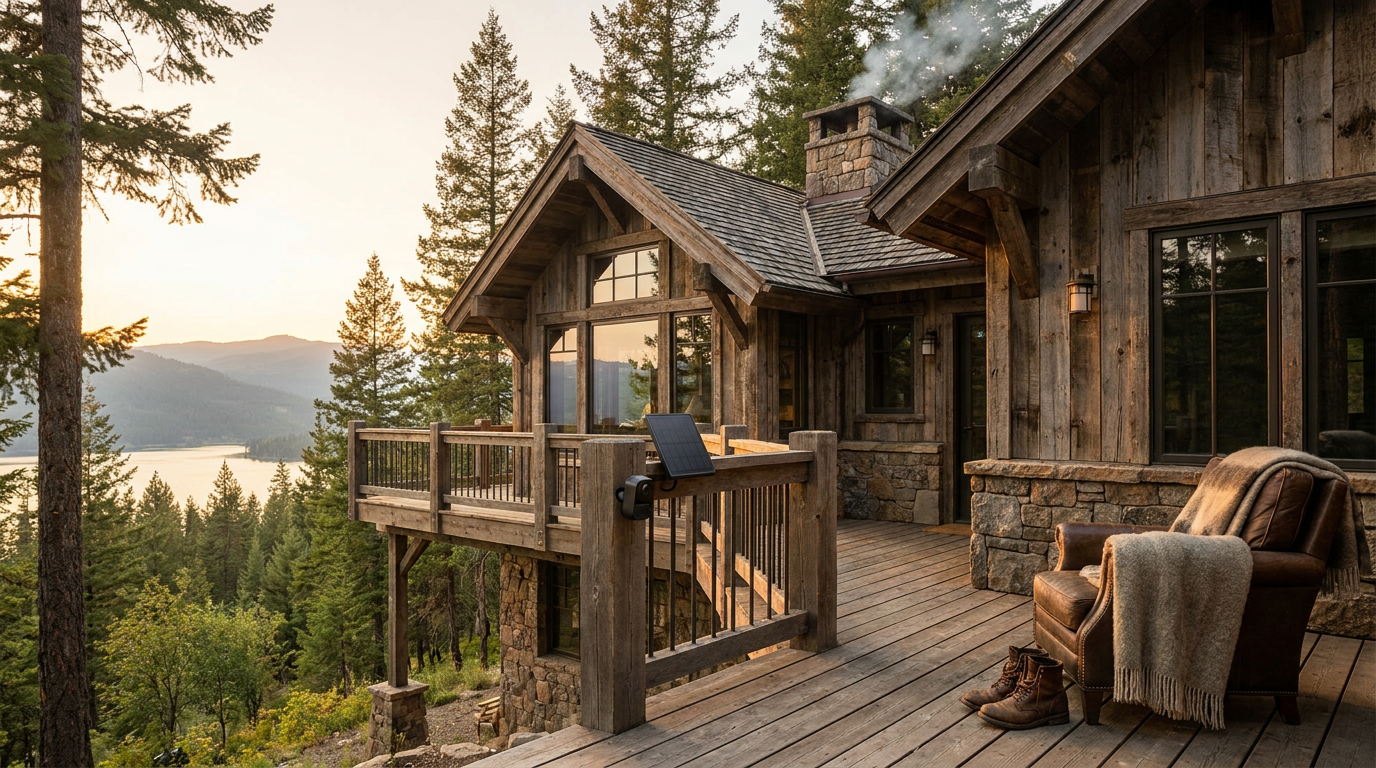
4G Solar Cameras and the Off-Grid Security Narrative
 Maya ChenContributing Editor
July 23, 2026 — The market for remote surveillance is expanding as property owners seek to secure locations devoid of traditional infrastructure. While the trending focus on off-grid security suggests a seamless transition to autonomous monitoring, the technical requirements for sustained uptime in remote environments remain more complex than marketing materials often admit.
The conventional wisdom says that solar-powered 4G cameras are a 'set-and-forget' solution for any rural property. However, operational data suggests that true reliability is dictated by carrier availability and local climate rather than hardware alone. For instance, the Solar Watch Cam 4G Solar Camera requires a consistent 4G LTE signal from providers like Verizon, T-Mobile, or AT&T to function. Here’s the part nobody talks about: without a valid data plan and sufficient cellular density, a 2K HD sensor is effectively a local-only recorder with a high-tech paperweight attached.
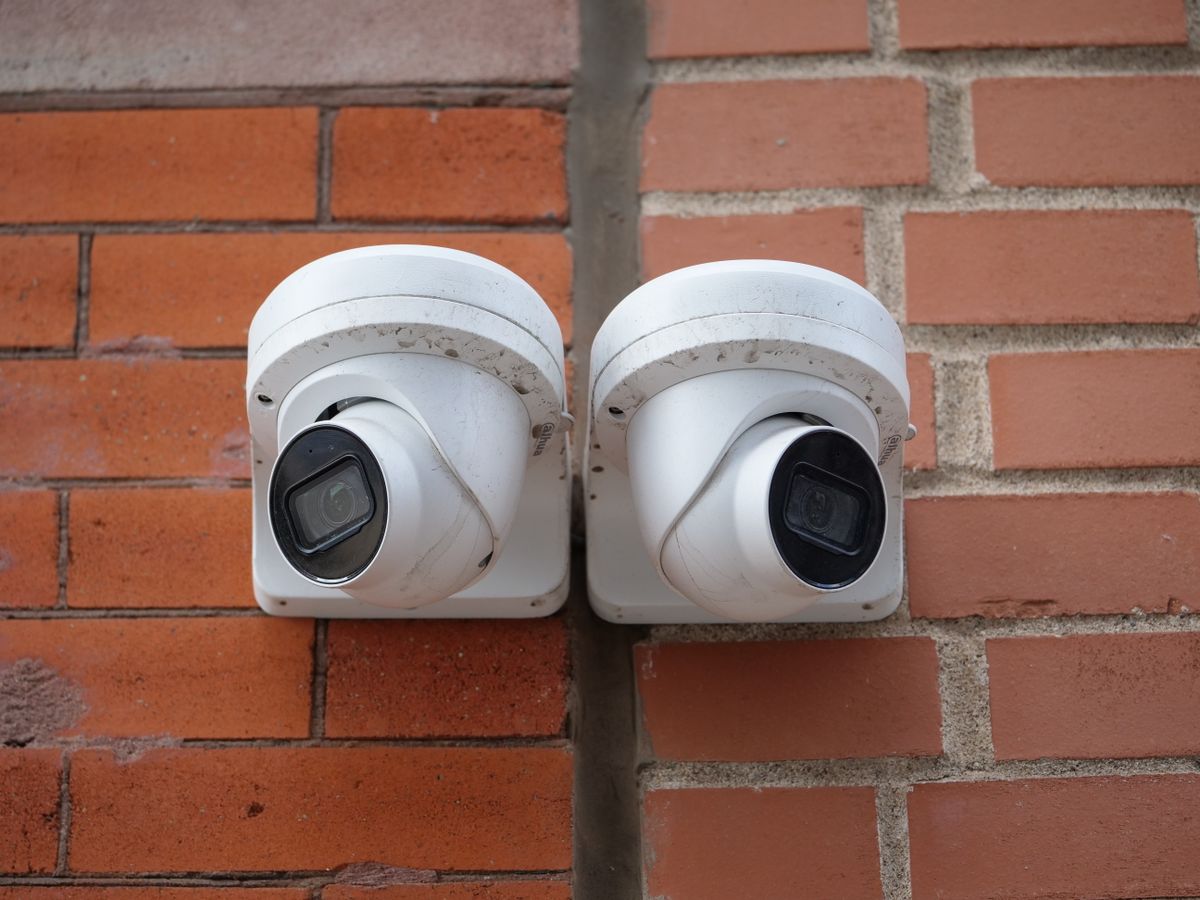
Photo by Giant Asparagus on Pexels
According to Milesight’s analysis in 'The Ultimate Guide to Off-Grid Security Cameras,' these systems are touted as ideal for farms and construction sites, yet they are tethered to the reality of battery cycles and signal strength. Run the math: the Solar Watch Cam is rated for temperatures between -4°F and 122°F. In northern latitudes during peak winter, the solar panel must generate enough current to both power the 4G modem and maintain the battery charge during shortened daylight hours. While the IP65 rating ensures it survives the dust and snow, the uptime is a function of solar efficiency, not just durability.
Eufy’s 2026 reporting on off-grid systems notes that increasing threats to privacy drive this demand, but users must remain aware of storage limitations. While Solar Watch Cam provides 30 days of cloud storage, long-term archiving requires a 128GB SD card. This shift toward localized storage is part of our commitment to reliable security at Solar Watch Cam, ensuring that even if the cloud connection fluctuates, the data persists.
Expert tip: When deploying 4G cameras on remote acreage, test the signal strength at the exact mounting height—not ground level—before final installation. A 10-foot elevation change can be the difference between a stable 2K stream and a failed connection, regardless of the hardware’s internal AI capabilities.
I’ll change my mind when I see a 4G solar unit maintain a 100% uptime record in a sub-zero environment with less than four hours of peak sunlight per day. Until then, these devices are high-performance tools that still require strategic placement and realistic expectations regarding data overhead.