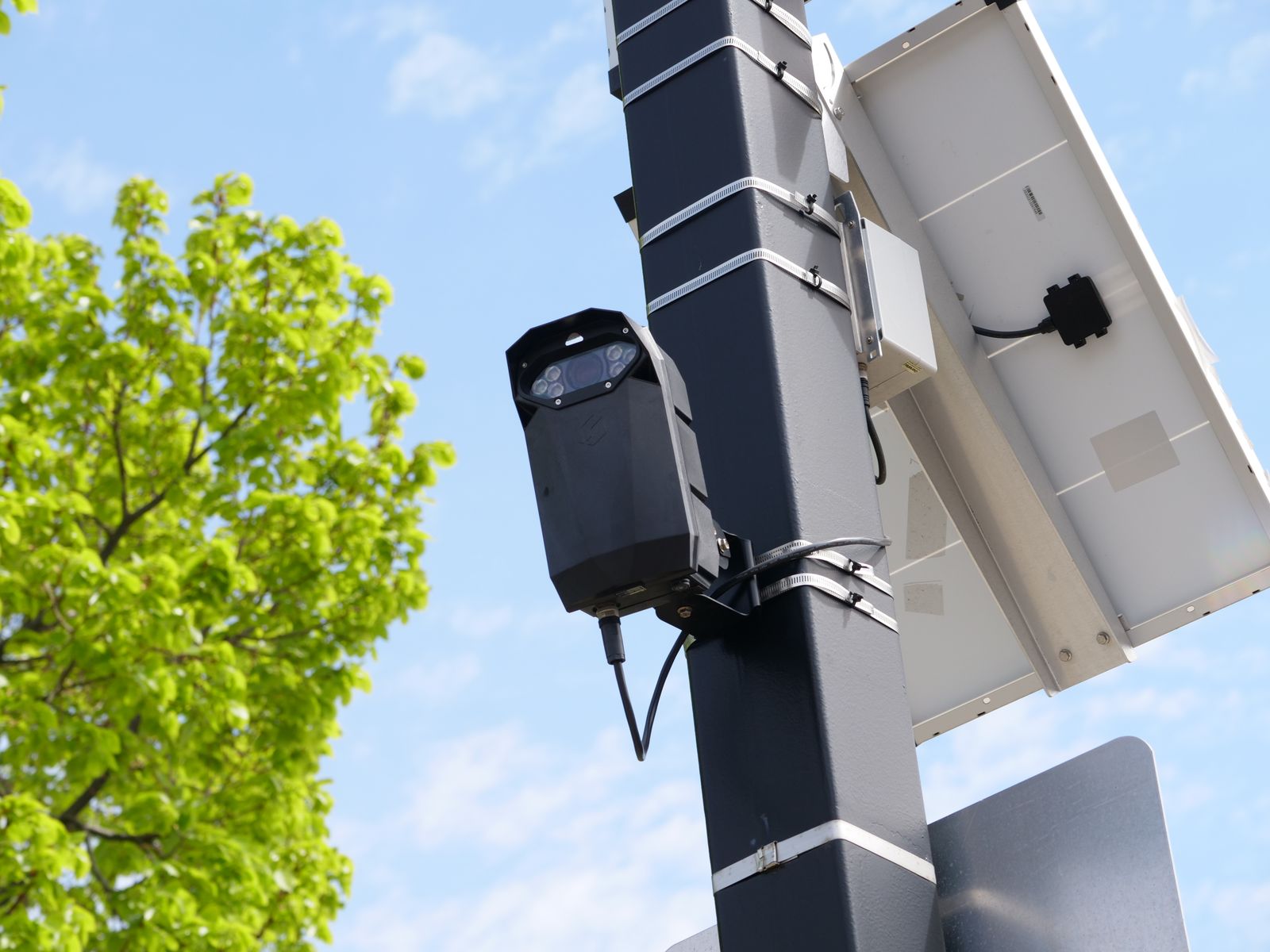
Solar Panel Placement for Cellular Security Cameras: Ranch & Job Site Guide
For 24/7 cellular camera operation across US properties, mount your solar panel facing True South (adjusting for local magnetic declination) at a tilt angle equal to your latitude plus 15° for winter optimization. Ensure zero shade within a 120° arc between 10 AM and 4 PM.
Pre-Installation Solar Mounting Checklist
- Use a compass app set to True South (turn ON 'Use True North' in phone settings to correct for magnetic declination).
- Verify 120-degree unobstructed sky view between 10:00 AM and 4:00 PM (no branches, roof lines, or silos blocking path).
- Test 4G LTE cellular signal at the mounting height using your mobile phone or camera status LED before drilling.
- Ensure extension cable length (up to 10ft) allows flexible placement if camera must point North while panel faces South.
- Prepare weatherproofing wire guards or conduit if installing near livestock, horses, or rodents.
- Check that panel mounting bracket screws are tightened with lock washers to withstand 50+ mph wind gusts.
Step-by-Step Guide to Mounting Your Solar Panel for Maximum Efficiency
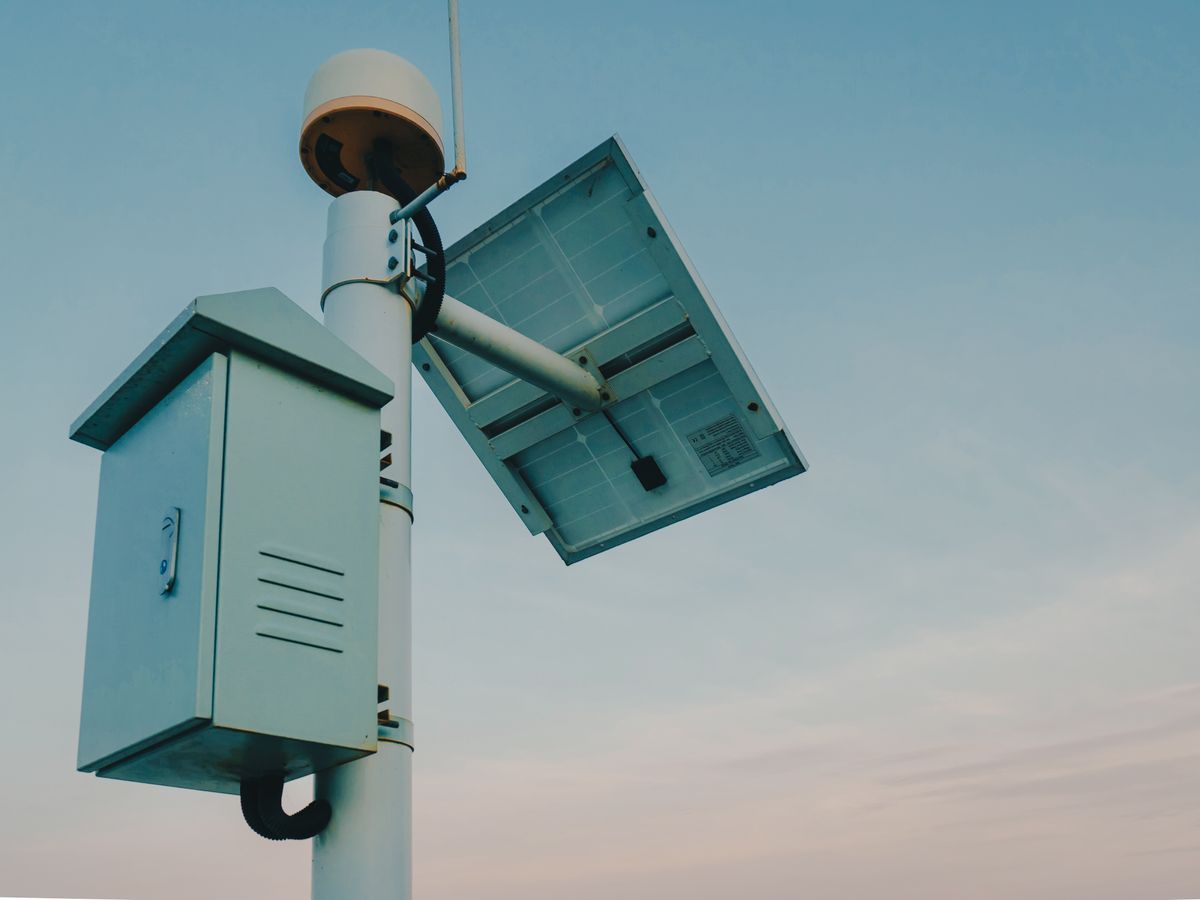
Photo by Matthew Jesús on Pexels
Follow these five tactical steps to establish a permanent, zero-maintenance power supply for your off-grid cellular security camera.
US Regional Solar Tilt Angle & Weather Adjustments
- Northern US (e.g., MT, ND, MN, NY) — Latitude Range: 42°N - 49°N. Set winter tilt angle between 57° and 64°. Steeper angles are critical to shed ice, snow, and heavy frost during short 8-hour winter daylight windows.
- Central US (e.g., KS, MO, IL, OH) — Latitude Range: 36°N - 41°N. Set winter tilt angle between 51° and 56°. Provides optimal balance between catching low winter horizons and maintaining charging during overcast spring conditions.
- Southern US (e.g., TX, FL, AZ, CA) — Latitude Range: 25°N - 35°N. Set winter tilt angle between 40° and 50°. High solar irradiance year-round allows more flexible positioning, but panel face must be cleaned periodically of blowing dirt and pollen.
Your Immediate Next Steps for 365-Day Solar Reliability
Your decision: Choose your primary mounting structure (T-post, roof eave, or scaffolding pole) and calculate your local True South azimuth.
Do this next: Mount the Solar Watch Cam solar panel facing True South at Latitude + 15°, form a weather-tight drip loop, and test the 4G live feed in the mobile app.
- Read next: US Peak Sun Hours Map: Ensuring Year-Round Power for Remote Solar Surveillance
- Read next: How to Calculate the Optimal Solar Panel Tilt Angle for Off-Grid Security Cameras
Solar Watch Cam 4G LTE Pack - Includes 360° All-Weather Solar Panel Mount & 10ft Extension Cable
Follow this roadmap to ensure your remote security setup remains online without manual intervention.
Essential Takeaways for Remote Solar Camera Mounting
Keep these principles in mind when placing off-grid solar panels on ranches, farms, and job sites:
Printable Field Cheat Sheet: Solar Camera Installation Specs
- Orientation: 180° True South (adjust for local magnetic declination).
- Winter Tilt Formula: Site Latitude + 15° (e.g., 40°N latitude = 55° tilt).
- Sun Window: Clear 120° arc with zero obstructions between 10:00 AM and 4:00 PM.
- Cable Setup: 10ft maximum cable extension with mandatory lower drip loop.
- Height & Security: Minimum 9-10 ft mounting height using tamper-resistant Torx hardware.
- Operating Temp Range: -4°F to 122°F (IP65 rated all-weather housing).
Solar Mounting Options Compared: Barn Roofs, T-Posts, Trees, & Scaffolding
| Mounting Surface | Stability & Wind Rating | Shade Risk Level | Cable Protection | Anti-Theft Security |
| --- | --- | --- | --- | --- |
| Barn Gable / Metal Roof | High (50+ mph gusts) | Low (Above tree line) | High (Conduit routed under eave) | High (Requires ladder access) |
| Ranch Fence T-Post | Moderate (Requires heavy bracket) | Moderate (Fence vegetation) | Moderate (Exposed cable wire) | Moderate (Ground accessible) |
| Job Site Scaffolding / Pipe | High (Rigid steel clamp) | Low (Open construction zone) | High (Internal pipe routing) | High (Secured with steel bands) |
| Tree Trunk / Wooden Pole | Moderate (Tree sway in storms) | High (Canopy foliage growth) | Low (Rodent chew hazard) | Moderate (Varies by height) |
Select the optimal physical mounting structure based on stability, shading risks, cable security, and ease of installation.
Recommended Off-Grid Solar Surveillance Setup
For complete zero-grid protection without Wi-Fi or hardwiring, we recommend the turnkey package below.
Interactive Tool: Solar Panel Tilt & Azimuth Calculator
Use this specification to determine exact seasonal tilt angles and compass headings for your specific geographic location.
Visual Blueprints: Property Mounting & Seasonal Sun Path Diagrams
Photo by Marek Piwnicki on Pexels
Visual schematic reference for installation crews and remote site property managers.
5 Critical Solar Placement Mistakes That Drain Cellular Camera Batteries
Avoid these real-world errors that cause unexpected camera power loss during winter months or severe weather.
Installation & Seasonal Maintenance Timeline
- Day 1 (Installation) — Unbox, charge battery via USB fully before mounting, align panel face to True South, adjust tilt to Latitude + 15°, form drip loop, and test 4G connection in mobile app.
- Month 1 (Checkup) — Check app battery percentage history. Confirm that daily solar charging reaches 100% during clear days.
- Late Autumn (October/November) — Inspect panel surface for autumn leaf accumulation. Verify tilt angle is set steep enough for low winter sun arcs.
- Late Winter (February) — Visual inspection for heavy ice or snow buildup following major winter storms; clear with soft microfiber cloth if necessary.
Frequently Asked Questions About Solar Panel Placement
Get expert answers to technical off-grid camera mounting and solar panel positioning questions.
Related Resources & Technical Guides
- Cellular Solar Security Camera vs. Trail Camera for Farm Gates
- Troubleshooting Solar Panel Placement for Remote 4G Security Cameras
- How to Calculate the Optimal Solar Panel Tilt Angle for Off-Grid Security Cameras
Final Step: Secure Your Off-Grid Property Today
Your decision: Mount your solar camera system with confidence using True South orientation and Latitude + 15° winter tilt.
Do this next: Order the Solar Watch Cam 4G LTE Pack today to secure your property anywhere with cellular coverage.
- Read next: Solar Watch Cam Official Site
Solar Watch Cam 4G LTE Pack - Includes 360° All-Weather Solar Panel Mount & 10ft Extension Cable
Stop stressing over security for your off-grid ranch, farm, or job site. Deploy reliable 4G solar protection in 10 minutes.
Cover photo by Giant Asparagus on Pexels.