Solar Security Camera Internal Power Architecture: A Buyer's Guide to Year-Round Reliability
A solar security camera internal power architecture is why year-round reliability happens—or does not. This buyer's guide treats the panel, a 10,000 mAh battery, and the 4G radio as one circuit. Solar Watch Cam is a cellular solar security camera you mount 8-10 feet so that circuit sees sun and signal instead of shade and a dead outlet.
Direct Answer: Key Criteria for Solar Security Camera Power Architecture
You need a panel sized to the climate, a buffer battery, load control (event recording, not live TV), and a mount that keeps glass in the sky. Missing any one of those is not an architecture; it is a gadget.
Decision Support: Selecting the Right Power Architecture for Your Location
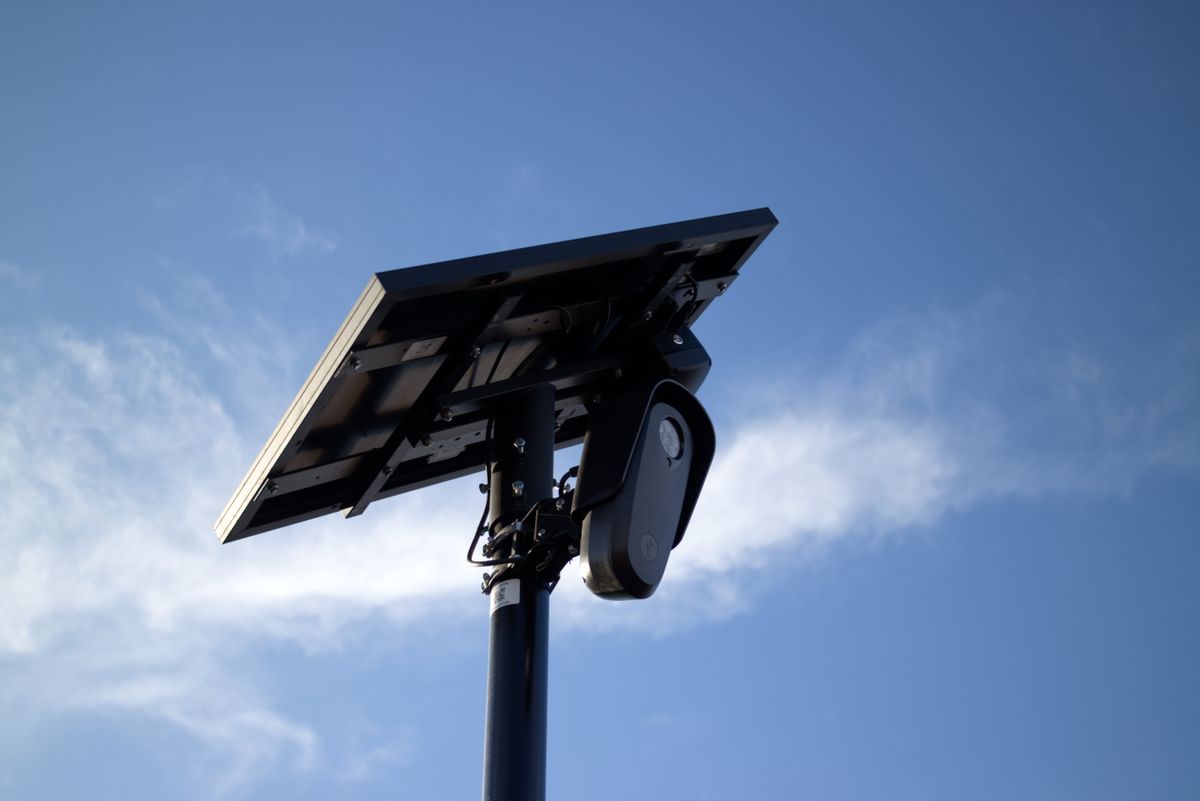
Photo by Will Freeman on Pexels
Heavy shade: move the panel, do not buy a bigger empty battery. Weak 4G: fix the radio path so retries do not eat the pack. Short winter days: steepen tilt and cut loads. Always-on floodlights: you are designing a lamp, not a camera.
Side-by-Side Architectural Comparison: Consumer WiFi vs. Commercial 4G Solar Cameras
Consumer Wi-Fi cameras assume a house. Off-grid 4G solar assumes you are the utility.
| Layer | Consumer Wi-Fi camera | 4G solar architecture | | --- | --- | --- | | Energy in | House outlet | Panel in real sun | | Buffer | Small cell or none | 10,000 mAh class pack | | Network energy | LAN, low radio cost | 4G modem—must stay quiet | | Load control | Often 24/7 NVR | Events + rare live checks | | Mount | Wherever Wi-Fi is | 8-10 feet at the asset | | Year-round vacant land | Fails with the router | Designed for this | | Buyer risk | Hidden extenders | Sun and SIM discipline |
Interactive Tool Brief: Off-Grid Solar Power Balance Calculator
On paper: energy in (sun hours × clean panel) versus energy out (modem events + night vision + retries). If out is a 24/7 stream, no honest calculator saves you. If in is a north wall, same. Balance is a site walk, not an app gimmick.
System Diagram Brief: Solar Security Camera Internal Power Circuitry
Panel → charge control → 10,000 mAh battery → camera and 4G modem. The AI detector sits in front of the modem so junk frames do not become radio bills. Gaskets keep water out of that chain. Architecture is this path, not a sticker wattage.
Engineering Recommendation: Solar Watch Cam 4G System
Standardize on Solar Watch Cam so every crew learns one power story: solar in, 10,000 mAh buffer, 4G out, 8-10 feet up. Reliability is repetition plus discipline.
Implementation Roadmap & Next Steps
Survey sun and bars, mount, set event loads, verify a week of clips, then add zones. Do not 'tune later' after a month of live view has flattened the pack.
Recommended Solution: Solar Watch Cam (Pack)
A pack duplicates the same internal power architecture on more posts. It does not create a shared battery plant. Each camera still needs its own sun.
Key Engineering Takeaways for Off-Grid Power Systems
Year-round reliability is conservation plus income. Buyers who only shop battery size skip the architecture and then blame winter.
Seasonal Maintenance Schedule for Year-Round Solar Uptime
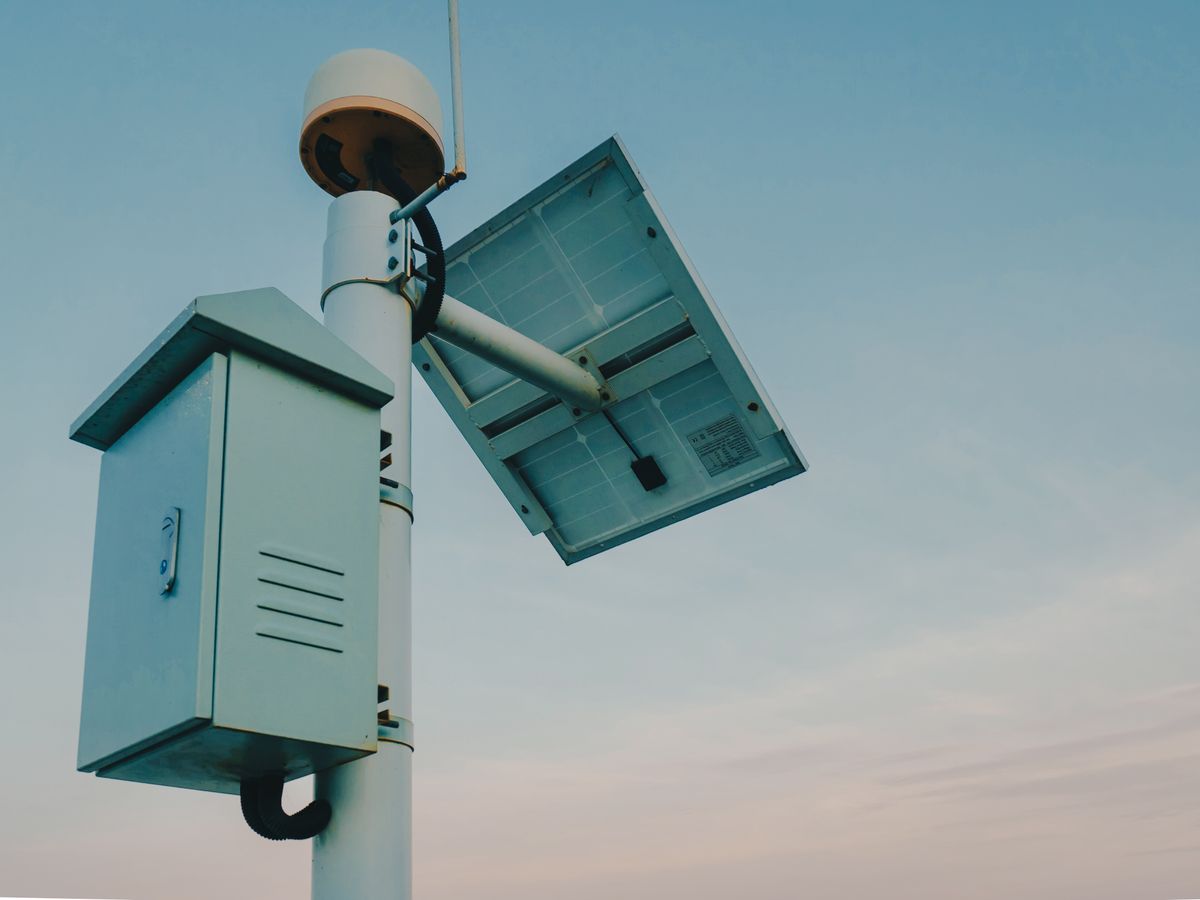
Photo by Matthew Jesús on Pexels
Spring pollen. Summer dust and new shade. Fall tilt change. Winter snow. Each season: wipe glass, check 8-10 feet hardware, confirm the 10,000 mAh pack is cycling, not sitting empty.
- [ ] Walk sun path at the mount each season.
- [ ] Wipe pollen, dust, and snow off the panel.
- [ ] Steepen tilt before winter; ease it when sun climbs.
- [ ] Retighten 8-10 feet hardware after wind.
- [ ] Confirm the 10,000 mAh battery is not left empty.
- [ ] Keep live stream off as a default load.
- [ ] Inspect gaskets before wet months.
- [ ] Resurvey shade after new buildings or hay stacks.
Technical Specification Matrix: Power & Environmental Limits
Use field limits you can inspect. Do not invent product ratings that are not on the unit.
5 Fatal Architectural Mistakes in Off-Grid Solar Security
Frequently Asked Questions About Solar Camera Power Architecture
What is 'internal power architecture' in a buyer's guide?
The chain from panel to battery to camera to 4G. If a vendor cannot explain that chain, you are buying a housing.
Does a bigger battery fix a bad architecture?
It delays failure. Year-round reliability still needs sun and load control.
Where does AI fit in the circuitry?
In front of the modem. Filtering is a power feature, not only a notification feature.
Can I add a second panel later?
Only if the camera was designed for it. Moving the existing panel into sun is the first architecture fix.
Why Solar Watch Cam for this guide?
It is a cellular solar security camera with a 10,000 mAh battery and an 8-10 feet mount pattern you can actually maintain.
Related Technical Guides & Off-Grid Resources
- guide to Solar Watch Cam battery life expectations
- guide to how off-grid security cameras work
- guide to how 4G cellular security cameras work
- FAQ about off-grid solar security cameras
What to do next
Treat power as a circuit, not a battery headline. Put Solar Watch Cam 8-10 feet in real sun, keep the 10,000 mAh buffer on event loads, and walk the site each season. This buyer's guide only works if you refuse live stream defaults and shaded panels.
Cover photo by Jan van der Wolf on Pexels.