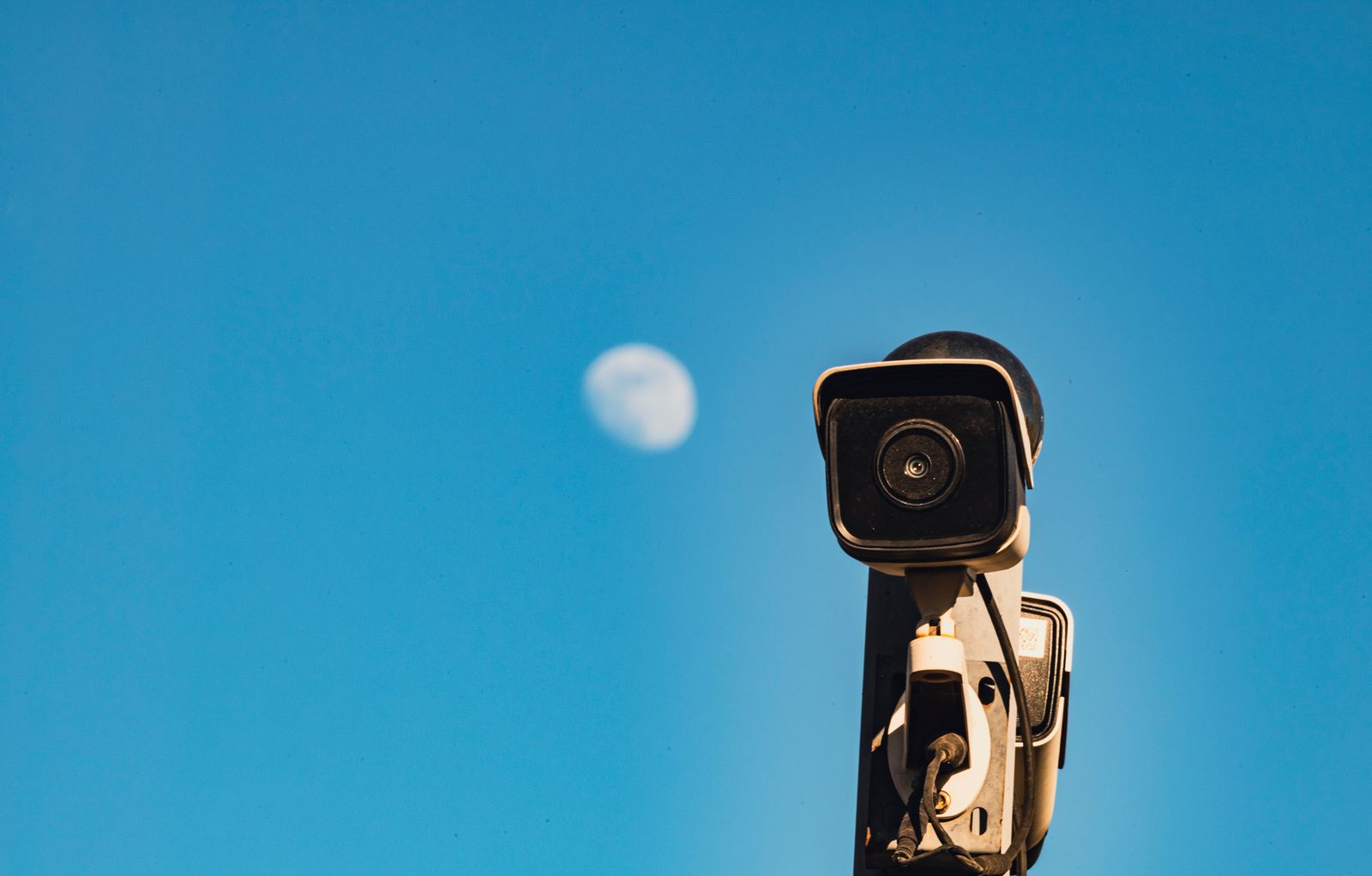
4G Cellular vs. WiFi Security Camera for Remote Cabins: Complete Comparison
Should you attempt to extend a home WiFi network across your acreage or deploy a standalone 4G LTE cellular camera? For isolated cabins, rural farm properties, and off-grid job sites, direct 4G cellular solar security cameras are vastly superior. WiFi extensions frequently suffer connection drops through timber and log walls, while grid power losses knock out routers. A 4G solar camera connects directly to major cellular networks (Verizon, T-Mobile, AT&T) with zero wiring, zero electricity costs, and continuous battery charging.
Scenario-Based Comparison: 4G Cellular vs. WiFi Infrastructure
| Deployment Scenario / Site Condition | Extended WiFi Camera Network | 4G LTE Solar Watch Cam | Winner & Operational Impact |
| --- | --- | --- | --- |
| | | | |
| | | | |
| | | | |
| | | | |
| | | | |
Evaluating surveillance hardware across real-world remote property conditions reveals the technical vulnerabilities of extended WiFi bridges compared to autonomous 4G cellular hardware.
Trade-Off Analysis: Direct 4G Cellular vs. Extended WiFi Networks
Photo by Doğan Alpaslan Demir on Pexels
Pros
- True wireless deployment anywhere with cellular coverage (Verizon, T-Mobile, AT&T).
- Solar panel keeps battery charged year-round without AC outlets or recharging ladders.
- Unaffected by local power grid blackouts or broadband ISP router crashes.
- Smart AI human/vehicle detection filters out false motion triggers to conserve data.
- 2K HD resolution with full-color spotlight night vision and two-way audio.
- Requires a 4G LTE cellular data plan after the 7-day free trial.
- Relies on at least 1-2 bars of local 4G cellular coverage at the mounting location.
- Continuous 24/7 video streaming is restricted to event-based recording to preserve solar power.
5 Infrastructure Failure Modes When Extending WiFi to Remote Outbuildings
Property owners frequently waste time and budget attempting to force home WiFi cameras into off-grid applications. Recognizing these five failure modes will save you from critical security gaps:
Decision Flowchart: Selecting the Right Camera Infrastructure for Your Property
- Is your target camera location within 100 feet of your main internet router with unobstructed line-of-sight? → Yes: Proceed to the next question.. No: DEPLOY 4G CELLULAR SOLAR CAMERA. (WiFi extensions will suffer severe latency and frequent dropped connections).
- Is continuous 120V AC grid power available at the exact camera mounting location? → Yes: A standard WiFi security camera may be viable.. No: DEPLOY 4G CELLULAR SOLAR CAMERA. (Integrated solar panel and battery storage are required).
- Does your property experience seasonal power blackouts or severe winter storm outages? → Yes: DEPLOY 4G CELLULAR SOLAR CAMERA. (Maintains 100% uptime independently of local grid blackouts).. No: Standard WiFi camera with uninterruptible power supply (UPS) backup may suffice.
Network Architecture Topology Comparison
The diagram below illustrates the architectural contrast between an extended outdoor WiFi setup with five single points of failure versus the single-node simplicity of a direct cellular solar camera.
Key Takeaways: 4G Cellular vs. WiFi Remote Security
Keep these essential decision criteria in mind before investing in off-grid property surveillance hardware:
Architecture Decision Framework for Isolated Land
Choose 4G cellular solar security cameras for any mounting location beyond 100 feet from a main broadband router, lacking AC power outlets, or subject to storm blackouts.
Best choice for
- Solar Watch Cam (4G LTE) — Operates without local internet or continuous AC electricity; resists extreme weather.
- Solar Watch Cam (4G LTE) — Eliminates expensive trenching for power and Ethernet cabling across acreage.
- The target location is inside an underground metal container with zero cellular reception from any carrier.
- You require 24/7 continuous uncompressed raw video recording to a local physical DVR unit.
- Point-to-Point (P2P) Wireless WiFi Bridge — Viable only if you have direct, unobstructed optical line-of-sight under 300ft and reliable AC power at both ends.
Recommended Standalone 4G Solar Camera Solution
Photo by Ala J Graczyk on Pexels
For complete peace of mind on unmonitored land, deploy the Solar Watch Cam (Pack). Mount it once in 10 minutes, and protect your property year-round without electricity bills or WiFi headaches.
Real-World Deployment Scenarios: Cabin, Barn, and Perimeter Security
Unattended Winter Cabin in the North Woods — Deploy a 4G Solar Watch Cam on the south-facing eve. It maintains internal battery charge even during sub-zero cold snaps and notifies your smartphone immediately if trespassers approach while the power grid is down.
Remote Horse Barn or Agricultural Outbuilding — Mount the camera on an exterior timber post overlooking livestock pens or equipment doors. Multi-carrier auto-switching maintains connection through surrounding tin roofs and timber frames without running network cables.
Construction Staging Site or Private Driveway Gate — Install on a standalone pole at the main entrance gate. Smart AI detection alerts you only when vehicles or individuals arrive, allowing two-way audio to instruct delivery drivers or deter unauthorized entry.
Here is how autonomous 4G cellular solar cameras perform across common off-grid property layouts:
When evaluating security options for remote land, property owners often underestimate the total cost of ownership associated with extending residential WiFi. Installing outdoor Cat6 cabling, trenching conduits beneath driveways, and setting up point-to-point wireless bridge antennas quickly inflates budgets past $800 in specialized networking hardware alone—without accounting for labor.
The Physics of Wireless Signals in Outdoor Environments
Commercial WiFi operates primarily on 2.4GHz and 5GHz frequency spectrums. While these high-frequency bands excel at transmitting high-bandwidth data over short distances inside a home, their signal waves decay rapidly when encountering outdoor obstacles. A dense stand of wet pine trees or a single sheet of metal siding can attenuate 5GHz signals by up to 30 decibels, causing stream freezing, video packet dropouts, and app disconnects.
In contrast, 4G LTE cellular technology utilizes lower spectrum bands (typically ranging from 700MHz to 1900MHz). These longer wavelengths bend around terrain contours and penetrate foliage far more effectively, maintaining stable connectivity across miles from regional cell towers directly to your camera's internal SIM modem.
Power Resiliency and Weather Hardening
Off-grid surveillance systems must endure environmental extremes. Traditional WiFi cameras plugged into outdoor AC outlets or connected to small third-party solar accessories fail when ambient temperatures drop below freezing. Standard lithium-ion batteries lose effective chemical capacity in cold weather, preventing standard solar panels from keeping up with energy demands.
The Solar Watch Cam is purpose-built for US climate extremes, featuring an IP65 weatherproof casing rated to withstand temperatures from -4°F up to 122°F. Its high-efficiency panel converts ambient light even on overcast winter days, keeping the internal battery bank primed for 24/7 motion detection and immediate smartphone alerts.
Smart Edge Processing and Data Conservation
A common concern among cellular camera buyers is mobile data consumption. Early cellular security cameras recorded constant video feeds, consuming gigabytes of expensive data daily. Modern units solve this using onboard AI edge processing. The Solar Watch Cam analyzes video frames locally before transmitting a single byte. By distinguishing between wind-blown leaves, insects, rain drops, and true security threats (humans, vehicles, animals), the camera only consumes data when a verified event occurs. This intelligent bandwidth management ensures your monthly data refills remain compact and affordable while delivering crystal-clear 2K HD resolution and full-color spotlight night vision on demand.
Frequently Asked Questions About Remote Cabin Security Cameras
Here are direct answers to common questions regarding cellular connectivity, power dependencies, and data management for off-grid property security.
Next Steps for Securing Your Off-Grid Property
Your decision: Determine if your target camera location has continuous AC power and unobstructed line-of-sight WiFi within 100 feet. If not, choose a 4G cellular solar security camera.
Do this next: Check cellular signal strength (Verizon, T-Mobile, or AT&T) at your target mounting spot using a mobile smartphone.
- Read next: How Much Data Does a 4G Solar Security Camera Use Each Month?
- Read next: Off-Grid Cabin Security Systems: Buying Guide
Deploy the Solar Watch Cam (Pack) for plug-and-play 4G LTE security with integrated solar power and built-in carrier multi-network auto-switching.
Take action today to secure your remote property without the headaches of WiFi extenders or complex power wiring.