Cellular vs Satellite Cameras for Remote Land Surveillance
Cellular vs Satellite Cameras for Remote Land Surveillance
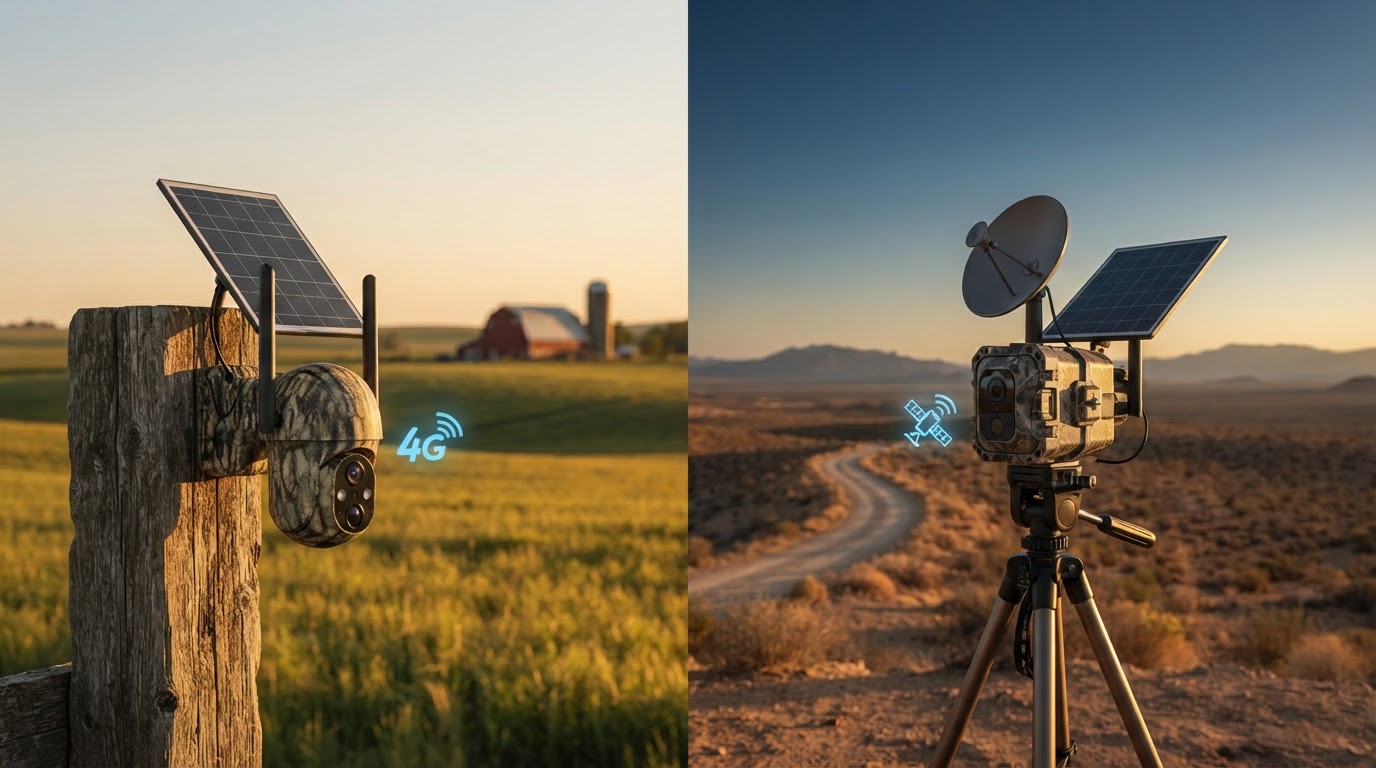
When securing properties located far beyond urban infrastructure, choosing the right connectivity method is vital. Property owners typically choose between satellite-linked systems and 4G LTE cellular cameras like the Solar Watch Cam. Understanding the differences in latency, cost, and installation complexity helps dictate the ideal option for your site.
Bandwidth and Latency Performance
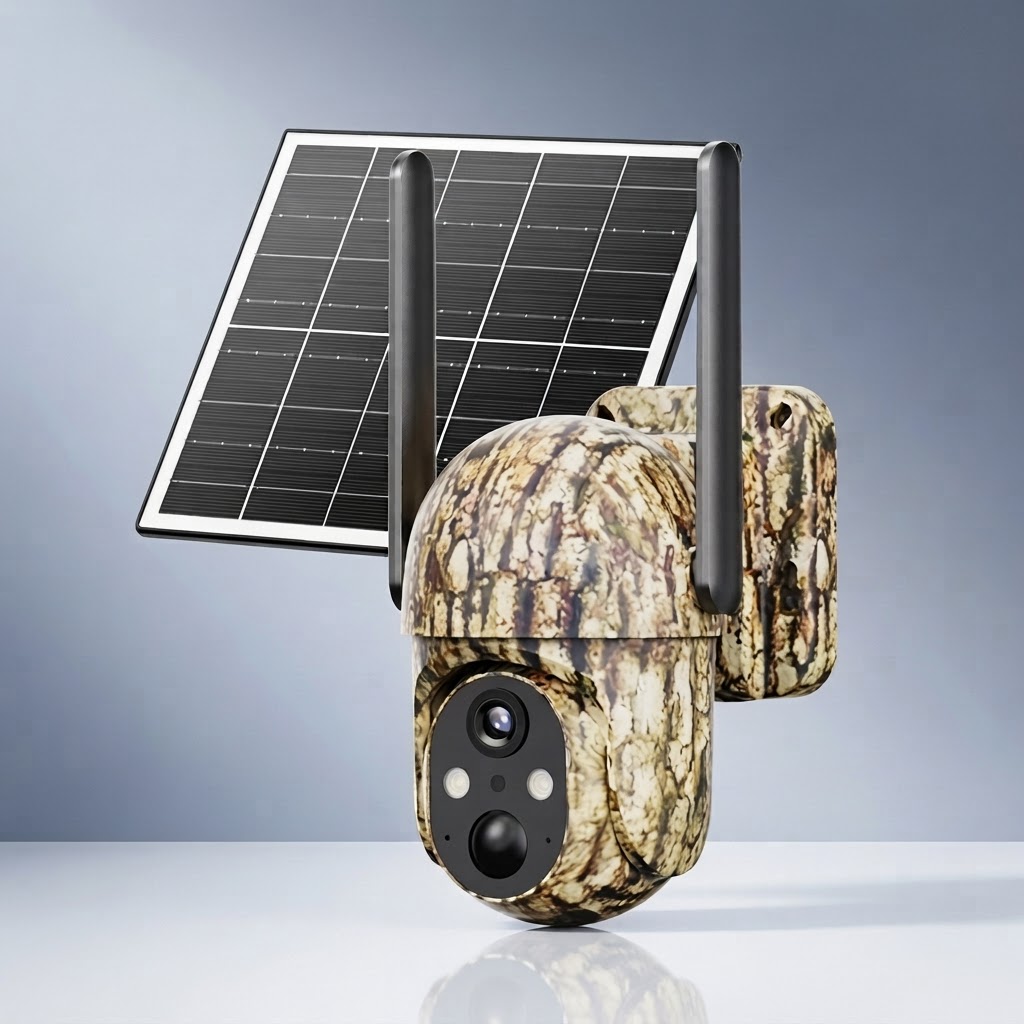
Satellite connections often suffer from signal latency due to the immense distance data must travel into orbit. This delay can hinder smooth two-way voice communication and slow down live stream connection times. In contrast, 4G LTE cellular cameras communicate directly with nearby land towers from Verizon, T-Mobile, or AT&T. This proximity ensures lower latency, permitting instant real-time 2K HD streaming, fast push notifications, and clear two-way talk when speaking to visitors or trespassers.
Hardware and Operational Costs
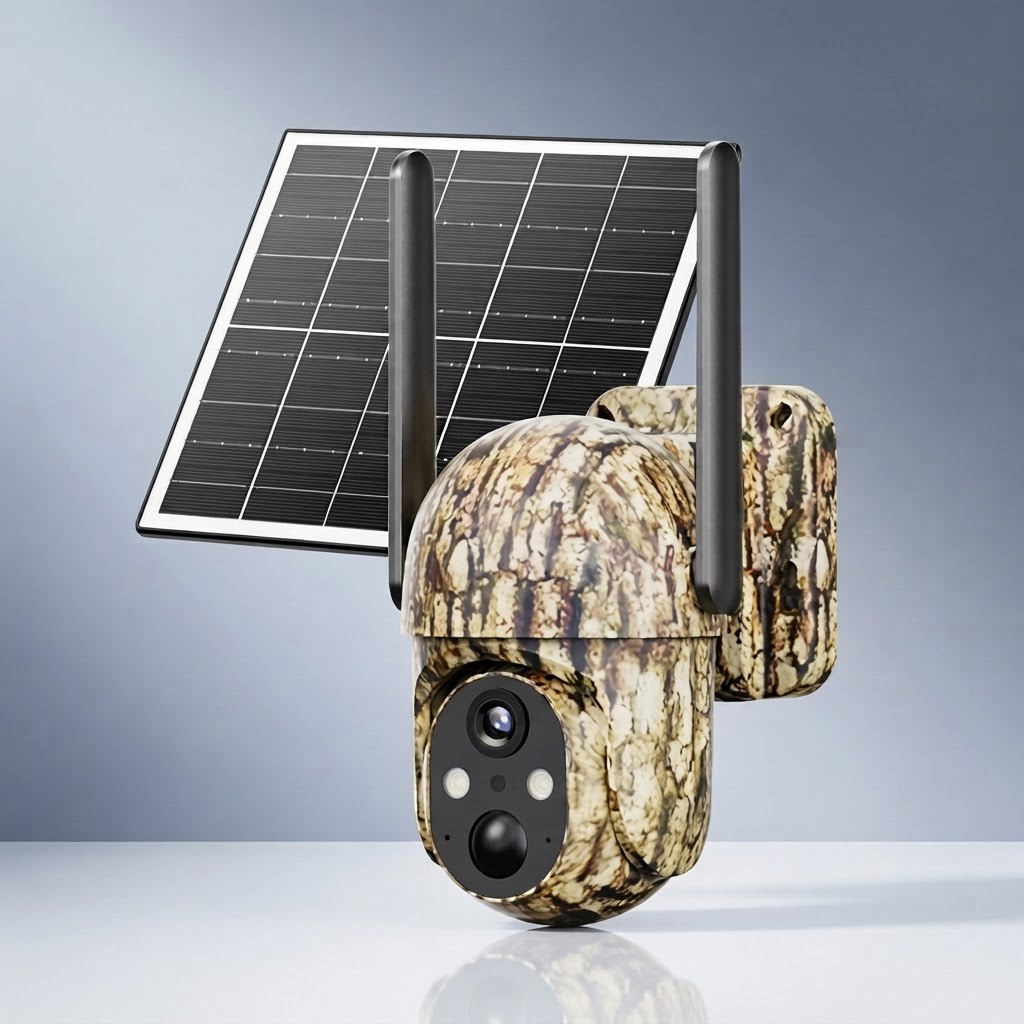
Satellite hardware requires substantial initial investments, expensive mounting dish equipment, and high monthly subscription tiers for video-capable data throughput. Cellular 4G cameras offer a more cost-effective model. Devices like the Solar Watch Cam operate on flexible data plans after a 7-day free trial, delivering essential security features without high monthly operational fees. Local storage choices, such as microSD cards up to 128GB, further reduce ongoing expenses.
Ease of Setup and Deployment
Installing satellite gear requires clear sky sightlines, heavy mounting structures, and precise dish alignment. A 4G solar camera offers flexible 10-minute setup times. With zero wiring needed and an IP65 weatherproof rating, you can mount it directly to trees, fence posts, or barn walls. As described in [the main guide], 4G solar technology provides optimal balance between high performance and rapid remote setup.
Read the full guide: The Complete Guide to Off-Grid Property Security Monitoring