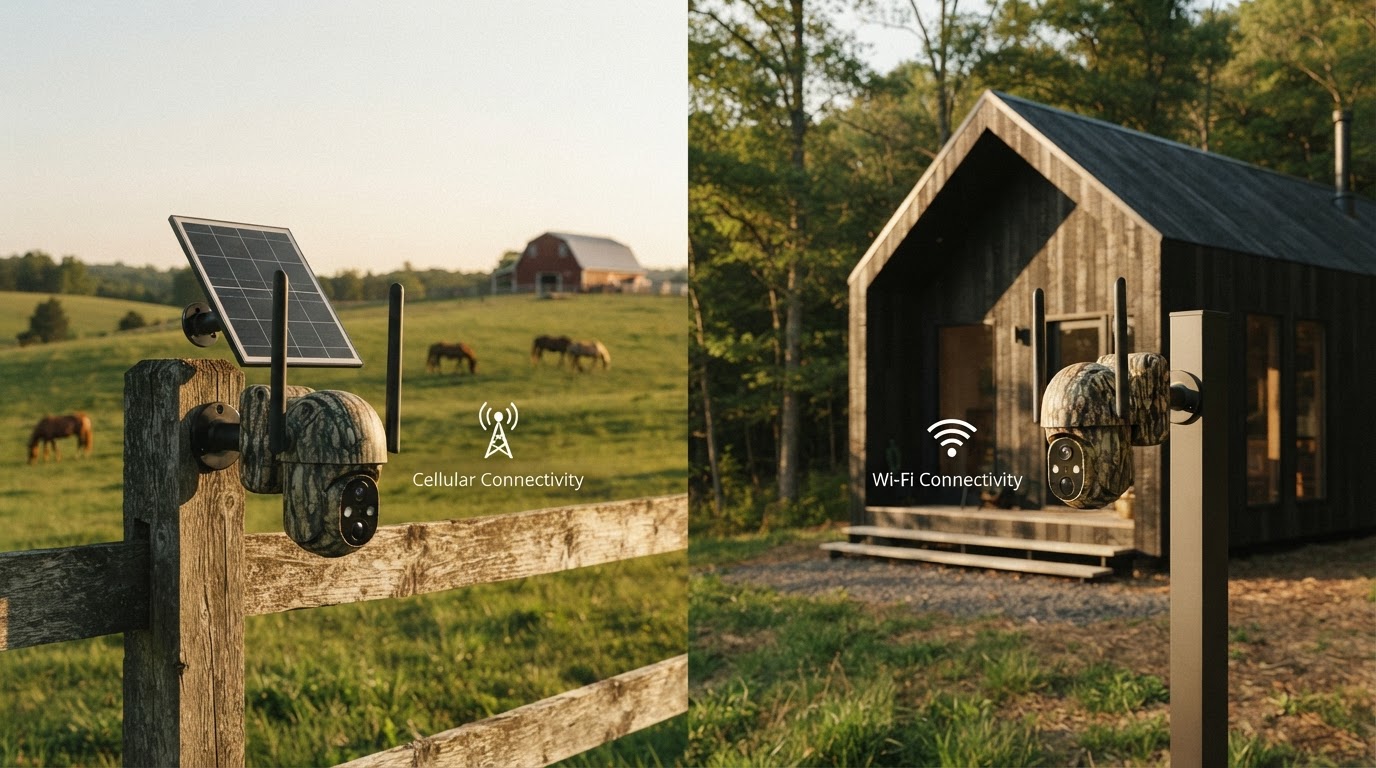
Cellular Security Cameras vs Wi-Fi Security Cameras for Rural Properties
Choosing the right monitoring solution for rural land, barns, or vacation homes requires comparing standard Wi-Fi security cameras with dedicated 4G cellular models. If you are exploring overall property safety, check out the main guide for an end-to-end framework.
Connectivity Options: Cellular 4G LTE vs Home Wi-Fi
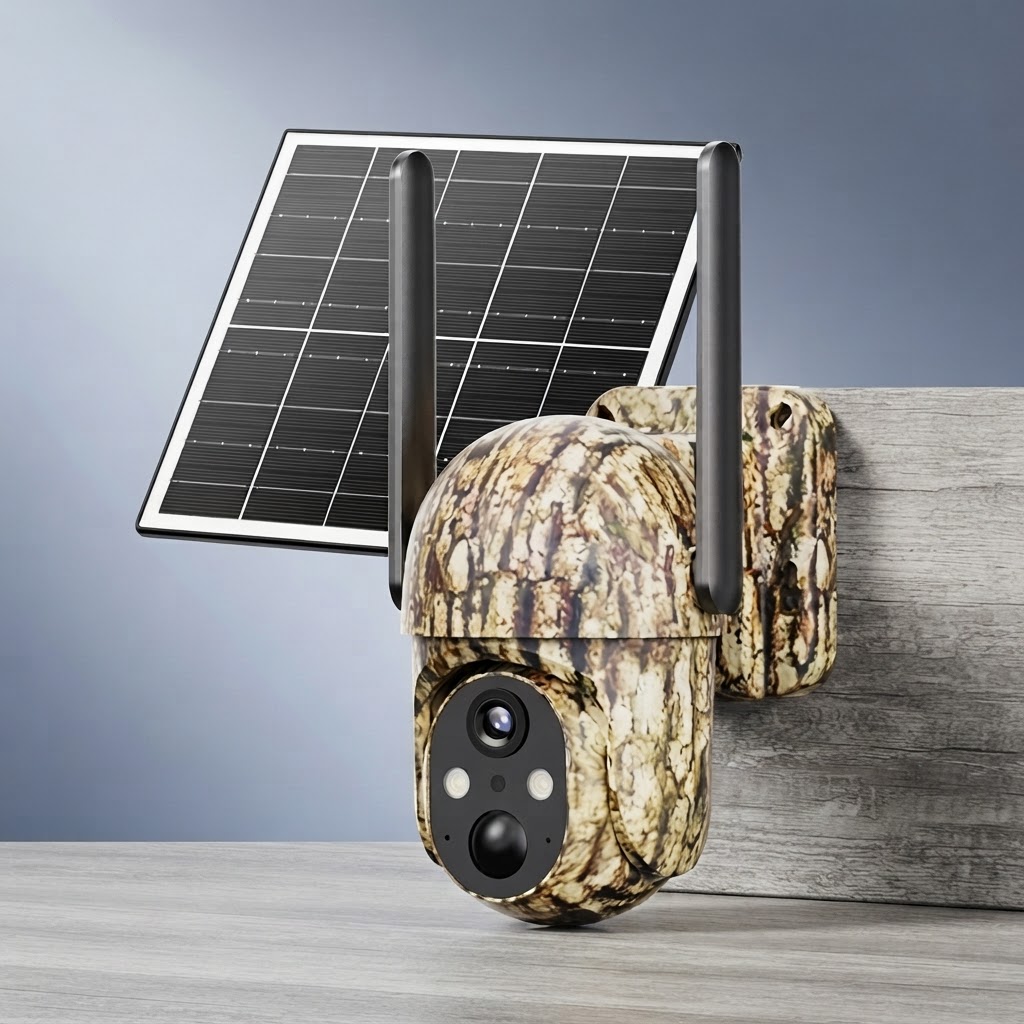
Standard Wi-Fi security cameras require a continuous wireless network connection within roughly 50 to 100 feet of a central internet router. For expansive rural properties, ranches, and job sites, extending Wi-Fi coverage outdoors requires expensive mesh networks or directional antennas. If the central internet connection goes down, Wi-Fi cameras lose all remote transmission capabilities.
In contrast, cellular cameras like the Solar Watch Cam bypass Wi-Fi entirely. Operating on nationwide 4G LTE networks from major carriers (Verizon, T-Mobile, and AT&T), they transmit live video streams and push notifications from any location receiving mobile cell signals.
Power Independence: Solar Operation vs Plug-In Power
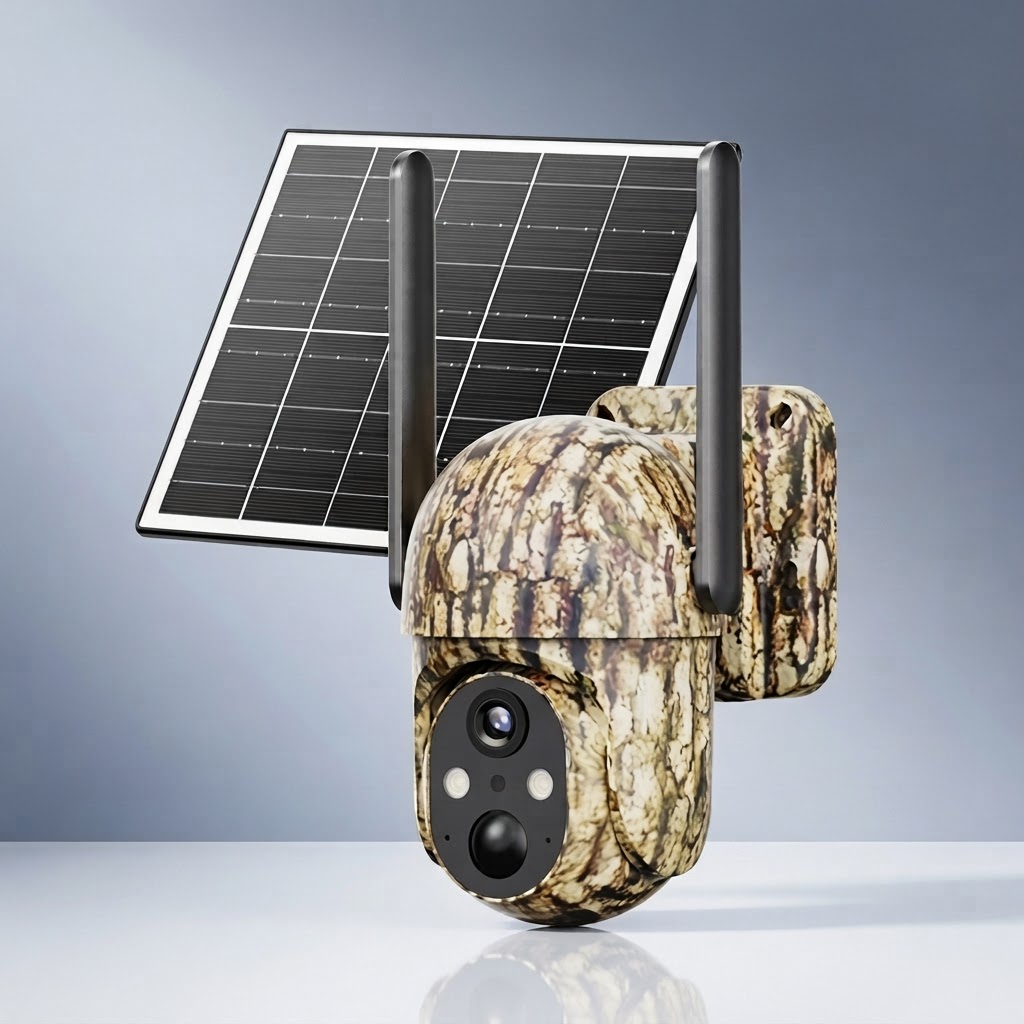
Most Wi-Fi cameras rely on 120V wall outlets or short-lived rechargeable batteries that require frequent manual recharging on ladders. Dedicated off-grid cellular systems combine direct solar panel charging with built-in rechargeable batteries. Mounted once in 10 minutes, solar cellular cameras operate year-round without extension cords, electrical bills, or battery maintenance.
| Feature | Standard Wi-Fi Camera | Solar 4G Cellular Camera | | --- | --- | --- | | Network | Requires Local Wi-Fi Router | 4G LTE Cellular (Verizon/T-Mobile/AT&T) | | Power Source | Wall Outlet / Manual Battery | Integrated Solar Panel & Battery | | Deployment Site | Suburban Homes / Short Range | Remote Cabins, Ranches, Job Sites | | Night Vision | Infrared B&W | 2K HD Full Color with Spotlight |
Reliability in Remote Environment Applications
Cellular solar cameras are engineered specifically for rugged conditions. Ratings like IP65 weather resistance and operational temperature ranges from -4°F to 122°F guarantee protection against heavy freezing rain, snow, summer heat, and dirt road dust. While Wi-Fi cameras are built for domestic indoor or suburban outdoor use, 4G solar cameras provide dependable long-term protection anywhere cell coverage exists.
Read the full guide: How to Secure a Remote Cabin Without Internet: The Ultimate Off-Grid Guide