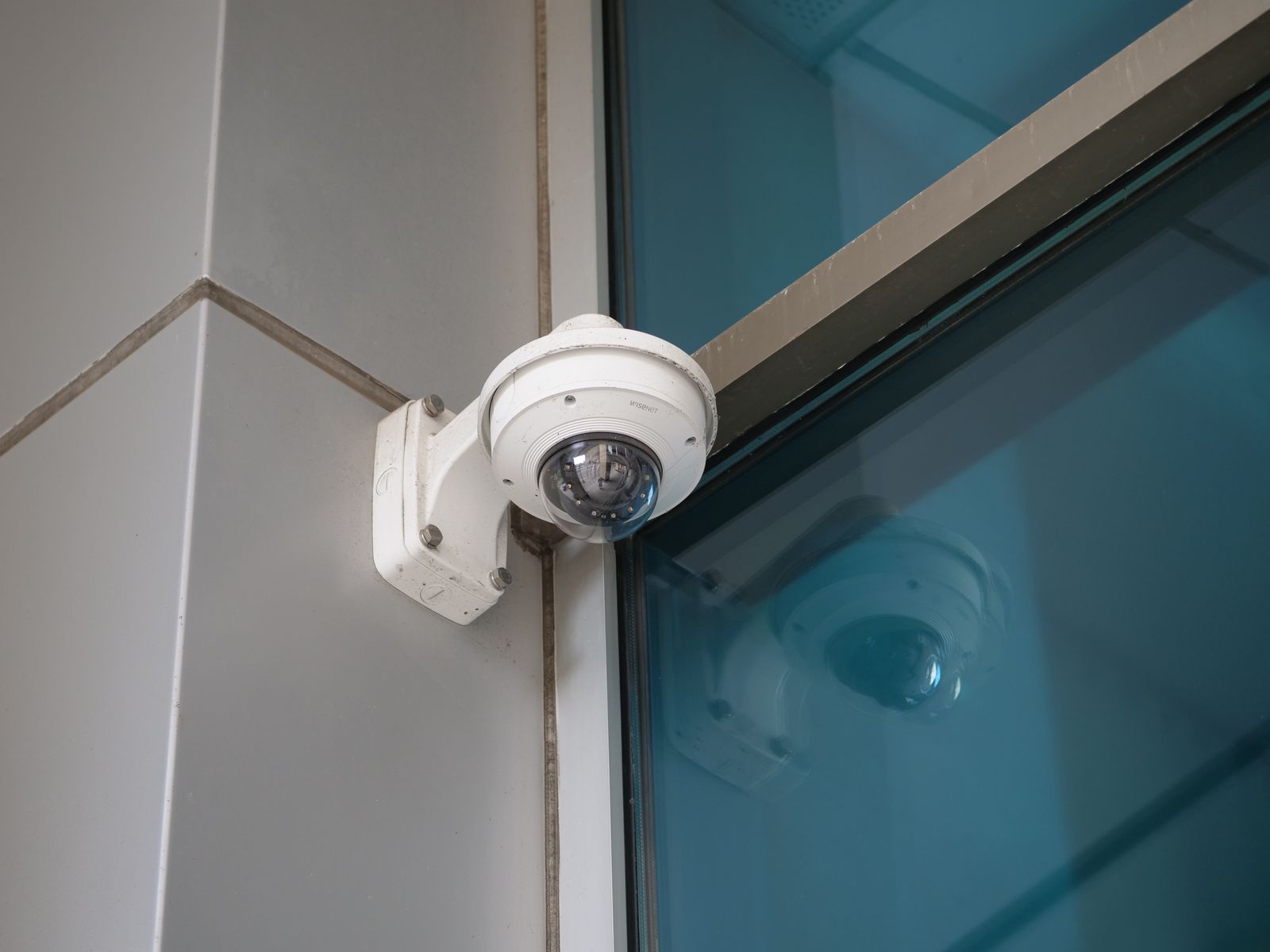
4G Cellular Camera Antenna Placement: Height, Orientation & Signal Guide
Many property owners assume mounting a cellular camera as high as possible improves signal, but height above 12 feet yields diminishing returns while increasing wind vibration. For maximum 4G LTE performance on off-grid properties, mount your camera 8 to 12 feet high, position dual external antennas in a 90-degree V-shape angle (45 degrees off vertical), and maintain a minimum 12 to 18-inch standoff clearance from metal roofs or siding.
Visual Installation Schematics & Clearance Zones
Proper physical orientation prevents radio frequency (RF) reflection, phase cancellation, and multipath interference. Review these installation schematics before drilling into outbuilding walls or mounting poles.
Antenna Setup by Property Scenario
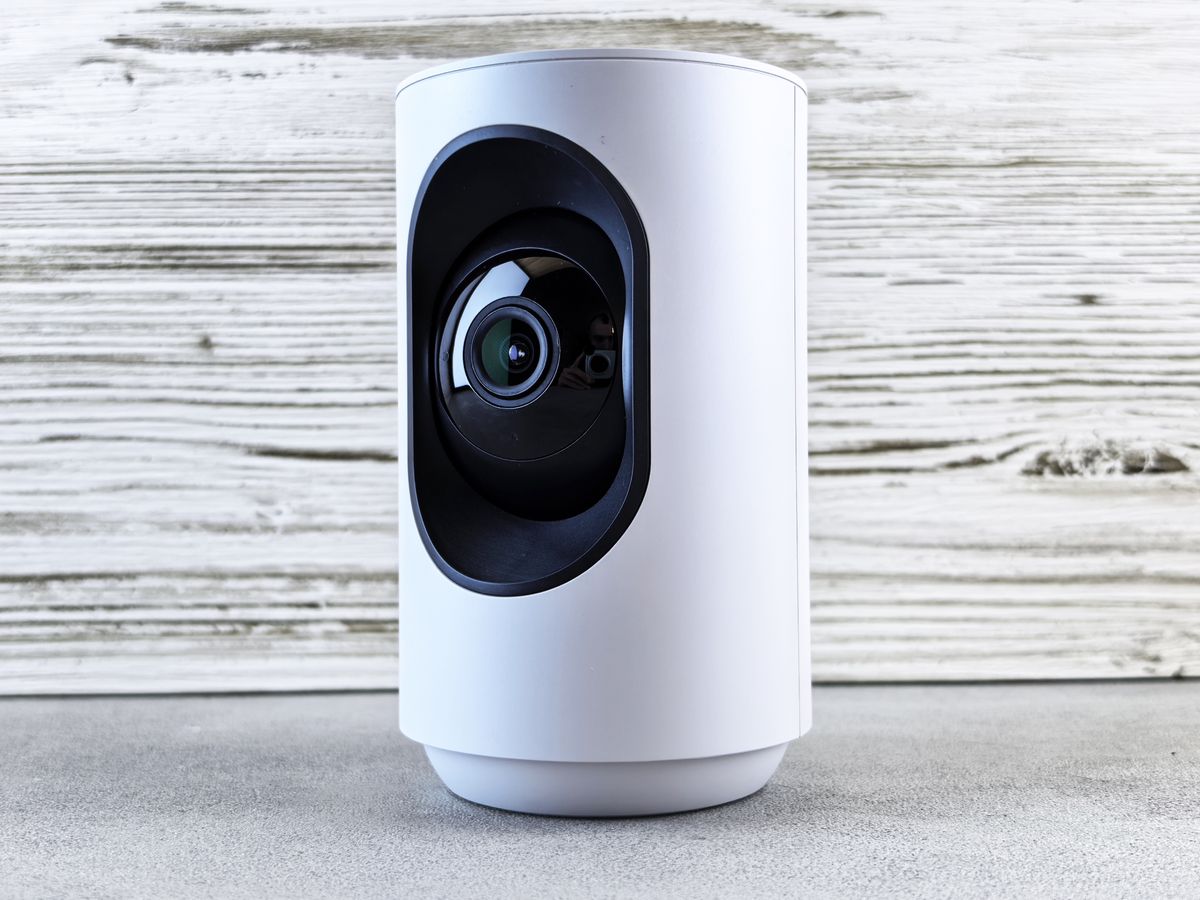
Photo by Andrey Matveev on Pexels
Corrugated Metal Barn or Steel Outbuilding Siding — Never flush-mount antennas directly against sheet metal. Metal acts as an RF shield and reflector, creating extreme signal loss and standing waves. Install an 18-inch extension standoff bracket to position the antenna array outside the metal reflection bubble.
Wooden Fence Post or Archway Entry Gate — Mount the main camera housing at 8 to 10 feet. Angle dual antennas in a 90-degree V-shape to capture horizontal and vertical polarized signals bouncing off nearby ground terrain or passing vehicles.
Dense Pine or Hardwood Forest Perimeter — Elevate the antenna mast 2 to 4 feet above the lowest tree branch line. Wet foliage absorbs 700MHz to 2100MHz cell frequencies; angling the top tips slightly downward prevents water droplets from pooling on the antenna tips.
Temporary Construction Site Pole Mount — Mount on a rigid 2-inch galvanized steel pipe at 10 feet. Ensure all cable connections use strain relief zip ties and weatherproof SMA rubber boots to prevent vibration-induced loosening from heavy equipment.
Different physical structures introduce distinct radio frequency obstacles. Apply these tailored mounting configurations based on your specific installation environment.
Recommended Off-Grid Security Solution
If you are looking for an off-grid security system designed specifically for remote American properties, the Solar Watch Cam eliminates connection setup headaches out of the box.
- Multi-Carrier Auto-Switching: Connects automatically to the strongest signal from Verizon, T-Mobile, or AT&T without manual phone carrier setup.
- Continuous Solar Charging: Integrated solar panel keeps the internal battery charged year-round in extreme weather (-4°F to 122°F).
- 2K HD + Full-Color Night Vision: High-resolution clarity with built-in spotlights to capture real license plates and facial features.
- Smart Human & Vehicle AI: Eliminates 90% of false alerts caused by blowing leaves, rain, or small animals.
4G Antenna Signal Troubleshooting Matrix
| Symptom | Probable Physical Root Cause | Corrective Field Action |
| --- | --- | --- |
| Live video stream buffers indefinitely or fails to connect in app. | RSRP signal weaker than -110 dBm due to near-field metal reflection or physical obstruction. | Install a 12 to 18-inch wall extension bracket to push antennas away from metal siding; re-test signal in phone Field Test Mode. |
| Camera goes offline after heavy rain or morning fog. | Moisture accumulation on antenna elements absorbing RF energy, or unsealed SMA connector water ingress. | Angle dual antennas 45 degrees outward so water runs off tips; inspect SMA threads and apply silicone weather-sealing tape. |
| Frequent motion alerts missed or delayed by 30+ seconds. | High packet loss caused by parallel antenna placement (spatial phase interference). | Separate dual whip antennas into a 90-degree 'V' configuration (45 degrees off vertical axis) to enable proper spatial diversity. |
| Camera battery depletes rapidly despite full sunlight. | Cell modem burning excess power continuously re-transmitting dropped packets due to weak signal. | Relocate system 3 to 5 feet higher or out of building RF shadow to improve RSRQ rating, reducing modem transmission duty cycle. |
Diagnose and resolve common off-grid cellular connection drops, slow live-stream buffering, and missing motion notifications using this physical field matrix.
Pre-Mounting Cellular Signal Installation Checklist
- Measure baseline cellular signal in dBm using phone field test mode at exact camera height.
- Ensure at least 12-18 inches of clearance between antenna and any metal siding or roofing.
- Position dual external dipole antennas in a 90-degree 'V' shape (45° off vertical).
- Orient solar panel toward true South with an unshaded tilt angle based on your latitude.
- Tighten antenna SMA weather grommets to seal out water, dust, and moisture.
- Verify cellular connection status and live stream test on mobile app before tightening final bolts.
5 Antenna Placement Mistakes That Drain Battery and Kill Signal
Avoid these critical installation errors commonly made on ranches, farms, and job sites:
Real-World Field Installation Examples
Reference these field-proven installation setups to ensure long-term durability and optimum signal strength across varying terrain types.
Key Placement Rules at a Glance
- Optimal Height: Mount between 8 and 12 feet for the ideal balance between RF line-of-sight, AI recognition, and wind stability.
- 90-Degree V-Angle: Angle dual whip antennas 45° off vertical to form a 90° angle for optimal signal diversity.
- 12-18 Inch Standoff: Keep antennas at least 12 to 18 inches away from metal roofs, siding, or steel fence posts.
- South-Facing Solar: Ensure the solar panel faces True South regardless of where your antennas are pointing.
- Low-Loss Cabling Only: If using extension cables, limit length to under 10 feet with LMR200/KMR200 grade shielding.
Printable Field Cheat Sheet for Installers
- Mounting Elevation: 8 to 12 Feet Maximum.
- Metal Clearance Buffer: Minimum 12-18 Inches Standoff.
- Antenna Angle: Dual Whip 90° V-Shape (45° Outward Each).
- Target Signal Strength: Stronger than -100 dBm RSRP.
- Solar Panel Direction: True South (Tilt = Latitude + 15° for Winter).
- SMA Connectors: Hand-tighten + Apply Silicone Weatherproofing Wrap.
Cellular Signal Clearance & Elevation Calculator
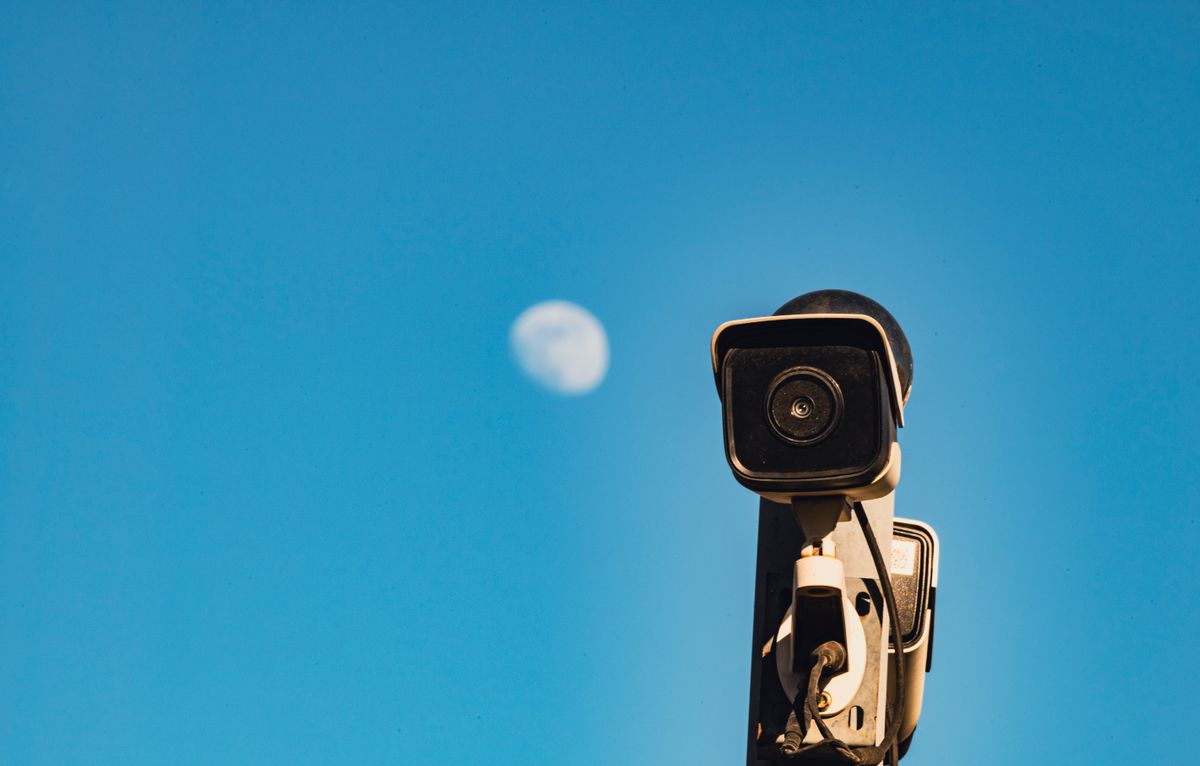
Photo by Star Zhang on Pexels
Use this calculator specification to determine the exact standoff arm length required for your mounting surface material.
Antenna Mounting Locations: Signal vs. Accessibility Trade-offs
| Mounting Location | Signal Efficiency (RSRP) | Metal RF Interference | Solar Panel Access | Maintenance Accessibility |
| --- | --- | --- | --- | --- |
| Wooden Gate Post (8-10 ft) | Excellent (Clear Horizon) | None (0% Reflection) | Unobstructed 360° Exposure | Easy (No Ladder Needed) |
| Corrugated Steel Barn Wall (Direct) | Poor (-15 dBm Signal Loss) | Severe (Direct Reflection) | Partial (Wall Shadowing) | Moderate (Ladder Required) |
| Steel Barn Wall (With 18" Arm) | Very Good (Cleared Zone) | Low (Reflections Buffered) | Good (Extended Bracket) | Moderate (Ladder Required) |
| Freestanding Steel Pipe (12 ft) | Excellent (360° Transmission) | Negligible (2" Pipe Diameter) | Optimal Direct Sunlight | Requires Stepladder |
Compare performance metrics across common mounting structures to choose the best installation point on your property.
Pro Field Tip: Resolving Solar vs. Cellular Tower Line-of-Sight Conflicts
A common dilemma on off-grid sites occurs when the nearest cellular tower is located North of your camera, while the solar panel must face South for sunlight.
The Solution: Do not compromise your solar panel orientation to aim the camera chassis at a cell tower. Cellular 4G LTE whip antennas are omnidirectional across their horizontal plane. As long as you maintain a 90-degree V-shape polarization and keep the antennas clear of structural metal, the omnidirectional radiation pattern will lock onto cell towers behind or beside the unit while your solar panel captures full Southern sunlight.
Frequently Asked Questions
Common technical questions regarding off-grid 4G cellular security camera antenna setup and signal tuning.
Recommended Off-Grid 4G Security System
Get total peace of mind for your remote property with hardware engineered specifically for tough American environments.
Next Steps to Lock In Off-Grid Connectivity
Your decision: Determine your camera's exact mounting location and check if an extension standoff arm is required for metal structures.
Do this next: Use a smartphone signal app to measure LTE signal in dBm at the target mounting height before drilling.
- Read next: How to Boost 4G LTE Signal for Off-Grid Solar Security Cameras
- Read next: Cellular Security Camera Connectivity FAQ
For reliable off-grid security with auto-switching carrier support out of the box, choose the Solar Watch Cam.
Follow these immediate steps to ensure a smooth off-grid security installation on your property.
Further Cellular Optimization Guides
Provide internal links to relevant technical guides in the pillar cluster.
Cover photo by Giant Asparagus on Pexels.