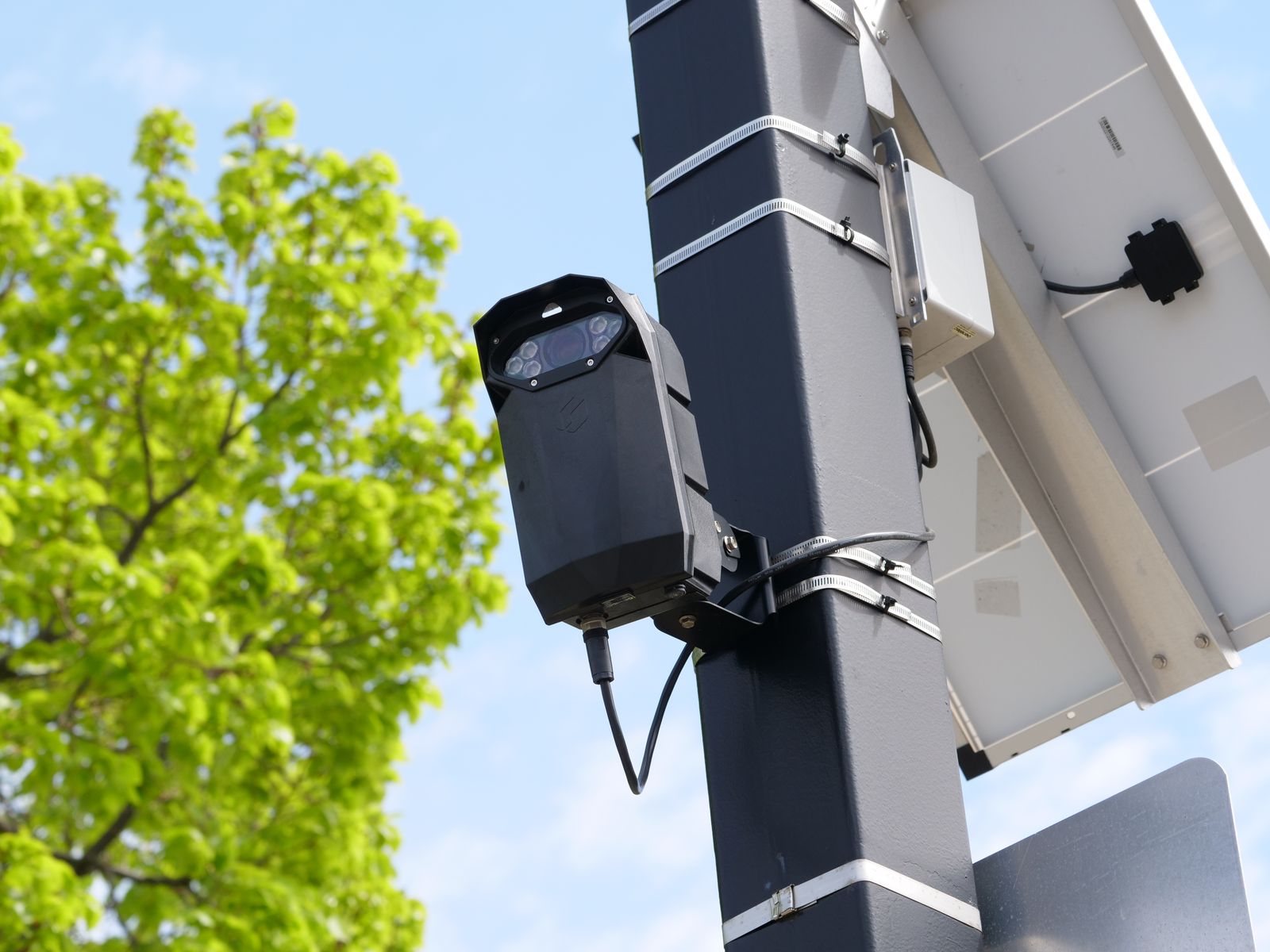
FAQ: Solar-Powered vs. Standard Battery Off-Grid Security Cameras
This FAQ on solar-powered vs standard battery off-grid security cameras is about trucks, not chemistry slogans. A standard battery camera goes dark between visits. A solar-powered cellular camera such as Solar Watch Cam keeps a 10,000 mAh battery topped at an 8-10 feet mount. If you cannot visit weekly, you already know which to use.
Should You Use Solar-Powered or Battery-Only Cameras for Off-Grid Security?
Use solar-powered. Standard battery off-grid security cameras are for short events. Vacant land punishes swap schedules you will skip in mud or ice.
Scenario-Based Comparison: Solar vs. Battery-Only Off-Grid Cameras
Photo by Reinis Brūzītis on Pexels
Match the site to the labor you will actually do.
| Site | Solar-powered 4G | Standard battery only | | --- | --- | --- | | Vacant cabin | Stays on with sun + buffer | Dies between trips | | Ranch gate | Panel at 8-10 feet | Swap in mud season | | Job site weekend | Charges Friday light | Dead by Sunday if left streaming | | Indoor powered closet | Optional | Acceptable | | Sub-zero week | Midday trickle matters | Capacity sags, no refill | | Labor model | Clean glass seasonally | Ferry packs | | 10,000 mAh pack | Buffer on solar | The whole system |
Failure Modes: Why Standalone Battery Cameras Fail in Off-Grid Deployments
They fail empty. They fail in freeze when capacity sags and nobody is there to swap. They fail when a live check is left running. Solar fails too—but from shade and snow, which you can see on a visit without bringing a crate of packs.
Our Recommendation: Integrated 4G Solar Power Systems
Buy the panel as part of the camera, not a USB afterthought. Solar Watch Cam is a cellular solar security camera with a 10,000 mAh battery meant to live on its panel at 8-10 feet.
Off-Grid Power Selection Decision Logic
Weekly staffed indoor closet: battery-only can hide. Everything else: solar. If you are tempted to 'start with battery and add solar later,' you are planning a dead month.
Actionable Next Steps for Securing Your Off-Grid Location
Pick choke points, confirm sun, confirm 4G, mount solar, set event recording. Throw out the swap calendar. Keep one charged spare only as disaster stock, not as the operating plan.
- [ ] List sites you cannot visit weekly.
- [ ] Reject standard battery cameras for those sites.
- [ ] Confirm sun hours at the planned 8-10 feet mount.
- [ ] Confirm 4G bars at that height.
- [ ] Deploy Solar Watch Cam with the panel connected.
- [ ] Set event recording; disable idle live view.
- [ ] Plan seasonal glass cleaning, not weekly swaps.
- [ ] Stock at most one spare as disaster reserve.
Key Takeaways: Energy Physics of Remote Off-Grid Security
Energy in must meet energy out over the week, not over the hour. Solar is the in. Conservation is the out. A 10,000 mAh number without sun is just a countdown.
Power Architecture & Electrical Specifications Breakdown
4G radios, night lamps, and retries on weak signal are the loads. Solar input is weather. The battery is a buffer. Architecture that ignores any of the three is a standard battery camera wearing a costume.
Year-Round Maintenance Schedule: Solar vs. Battery Systems
Solar: wipe glass, check tilt, inspect mounts seasonally. Battery-only: visit whenever the light goes out, which is often right after you left. Year-round, solar is less labor even though it sounds like more chores.
Buying Advice: Selecting Power Architecture by Site Type
Photo by Thomas VEILLON on Pexels
Cabin: solar. Ranch gate: solar. Job trailer: solar so the camera moves without finding an outlet. Indoor shop with always-on power: you could skip solar, but then a tripped breaker blinds you—still consider solar.
Recommended Off-Grid Security Solution: Solar Watch Cam
Solar Watch Cam standardizes the FAQ answer: solar-powered, 4G, 10,000 mAh, 8-10 feet. Pack extra cameras for extra zones rather than extra battery bricks for the same empty gate.
Real-World Deployment Scenarios: Job Sites, Ranches, and Remote Cabins
Job site: weekend theft during a dead pack. Ranch: a gate camera that died Thursday. Cabin: holiday week on an empty standard battery. Solar-powered units still need glass care, but they do not need a hero drive at midnight.
Deep Dive: The Hidden Physics of 4G LTE Battery Depletion in Sub-Zero Winters
Cold reduces available capacity. LTE retries on a weak winter signal spend what is left. Unfiltered motion in snow spends the rest. Solar trickle at midday is how you refill. A standard battery camera gets none of that refill unless a person arrives with a charger.
Related Engineering & Deployment Guides
- guide to Solar Watch Cam battery life expectations
- guide to how off-grid security cameras work
- how to install a solar cellular security camera
- FAQ about off-grid solar security cameras
Frequently Asked Questions: Off-Grid Camera Power Systems
Can a huge standard battery replace solar?
It delays darkness. Off-grid security cameras still need energy in. Solar is that income.
What if my gate is shaded all winter?
Move the panel on a short lead into sun, or move the mount. Do not 'solve' shade with more silent packs.
Do solar-powered cameras work at night?
They run from the 10,000 mAh battery at night and refill in daylight. Night is why the buffer exists.
Is this FAQ different from 4G vs Wi-Fi?
Yes. This is power. You can still pick the wrong network after you pick the right panel.
Why not mix one solar and one battery camera?
The battery unit becomes the first to fail and the one you distrust. Standardize on Solar Watch Cam.
What to do next
If a site sits empty, do not bet on a standard battery. Mount Solar Watch Cam 8-10 feet as a solar-powered cellular security camera, keep the 10,000 mAh battery on the panel, and spend energy on events. Off-grid security cameras stay honest when physics—not a swap calendar—runs the site.
Cover photo by Giant Asparagus on Pexels.