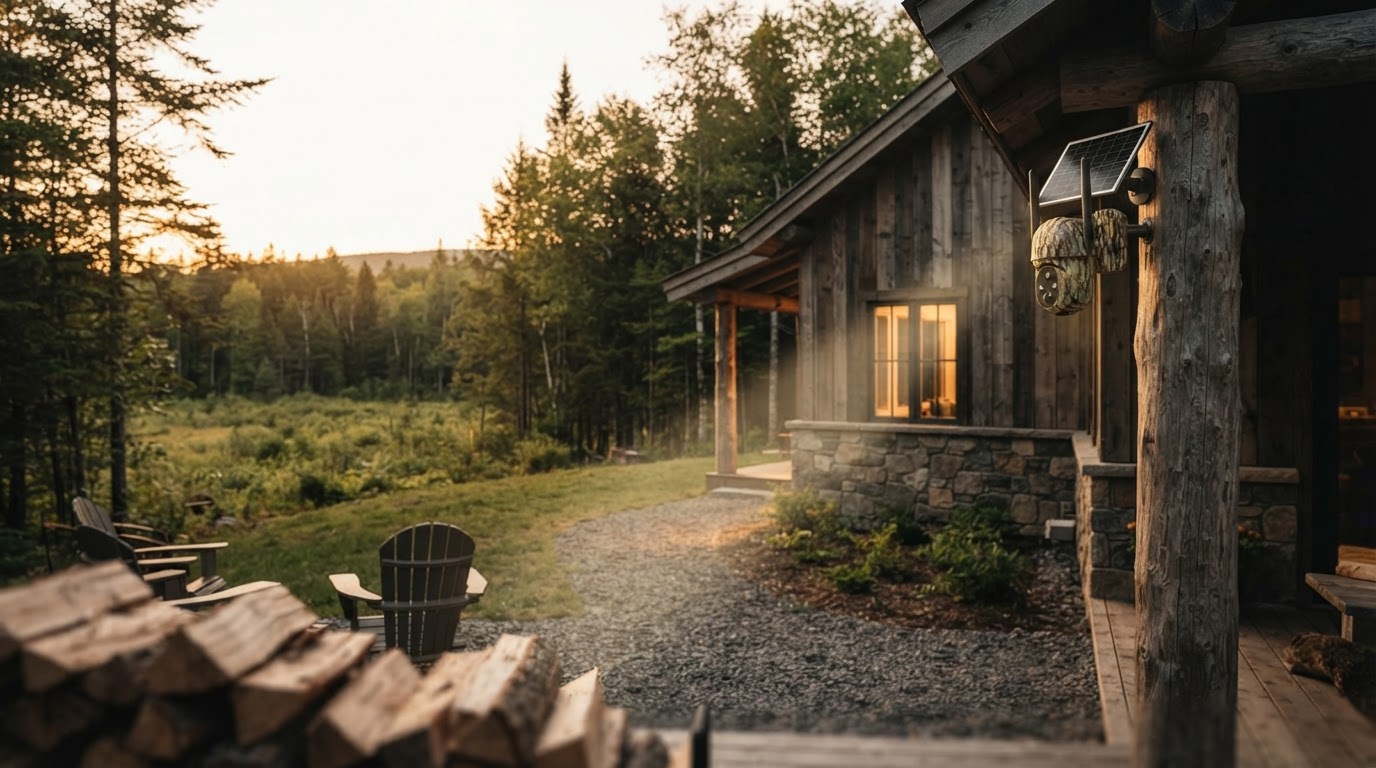
How to Secure a Remote Cabin Without Internet: The Ultimate Off-Grid Guide
Securing a remote cabin or vacation home poses unique challenges. Traditional home security systems rely heavily on wired electricity and high-speed broadband Wi-Fi connections. When your property is located off the grid, far from suburban infrastructure, standard security measures fail. Trespassers, wildlife, weather emergencies, and equipment theft can cause devastating damage long before you realize something is wrong. Protecting these properties requires a dedicated approach that eliminates dependencies on landlines, power grids, and local internet networks.
Understanding the Challenges of Remote Cabin Security
Remote properties—such as rural farm homes, ranches, mountain cabins, job sites, and remote barns—are frequent targets for property crime due to low foot traffic and delayed emergency response times. Without continuous monitoring, property owners often discover break-ins or severe weather damage weeks after the event occurs. The primary obstacle to protecting these sites is the total absence of traditional utility connections. Installing dedicated internet lines or running power cables across large parcels of land can cost thousands of dollars, making conventional wired security solutions completely impractical.
Assessing Power and Cellular Connectivity Needs
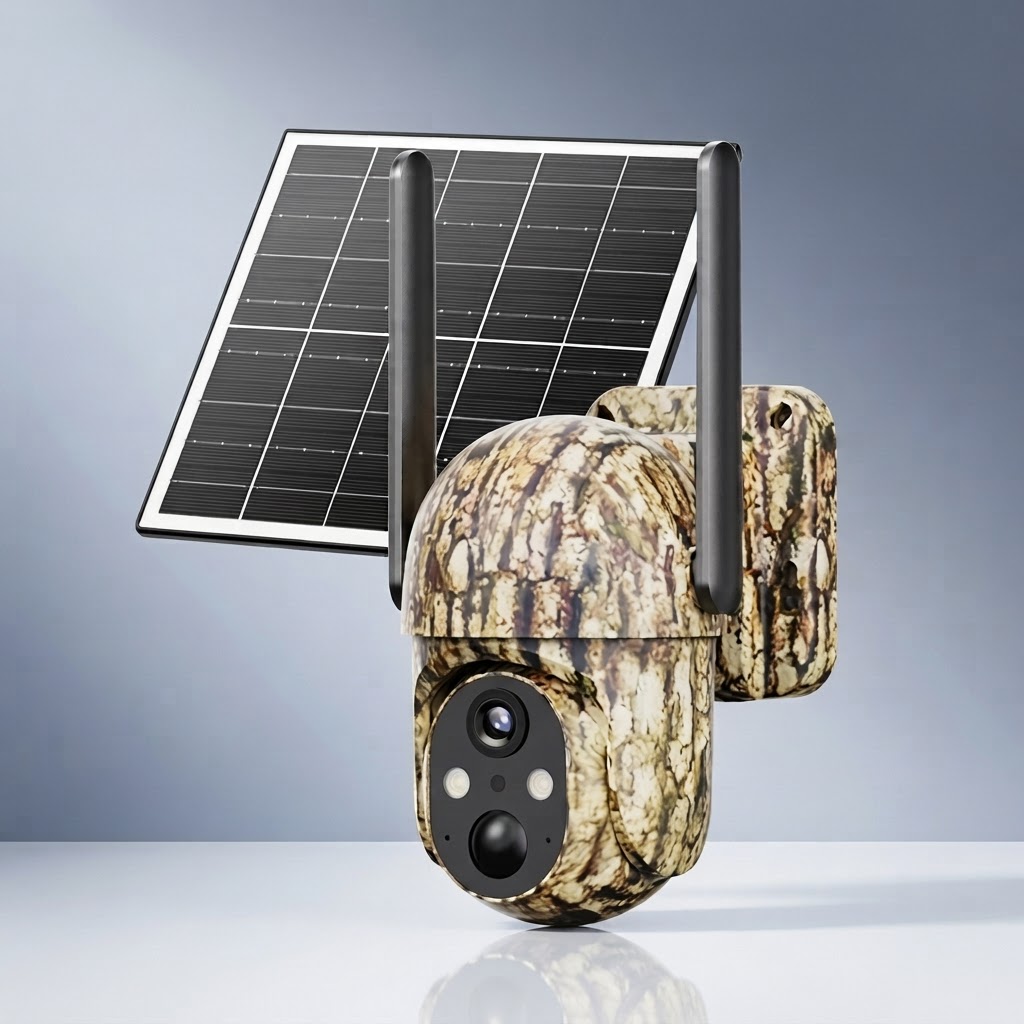
To establish an effective perimeter defence without on-site Wi-Fi, you must leverage cellular data networks. Modern standalone monitoring solutions use integrated 4G LTE cellular modems that auto-connect to major national networks like Verizon, T-Mobile, and AT&T without requiring complex manual router configurations. Before deploying equipment, evaluate the cellular signal strength at your property using a mobile phone. Properties located within normal cell coverage areas can transmit real-time video clips, live streaming feeds, and instant mobile alerts directly to your smartphone.
For continuous power, solar-assisted battery power systems provide complete electrical independence. A high-efficiency solar panel mounted alongside an internal rechargeable battery allows the monitoring system to operate continuously year-round without utility power or manual recharging. Ensure your installation site receives sufficient direct sunlight throughout the day to keep the internal 10,000 mAh battery topped off, even during short winter days.
Choosing the Right Surveillance Technology for Internet-Free Locations
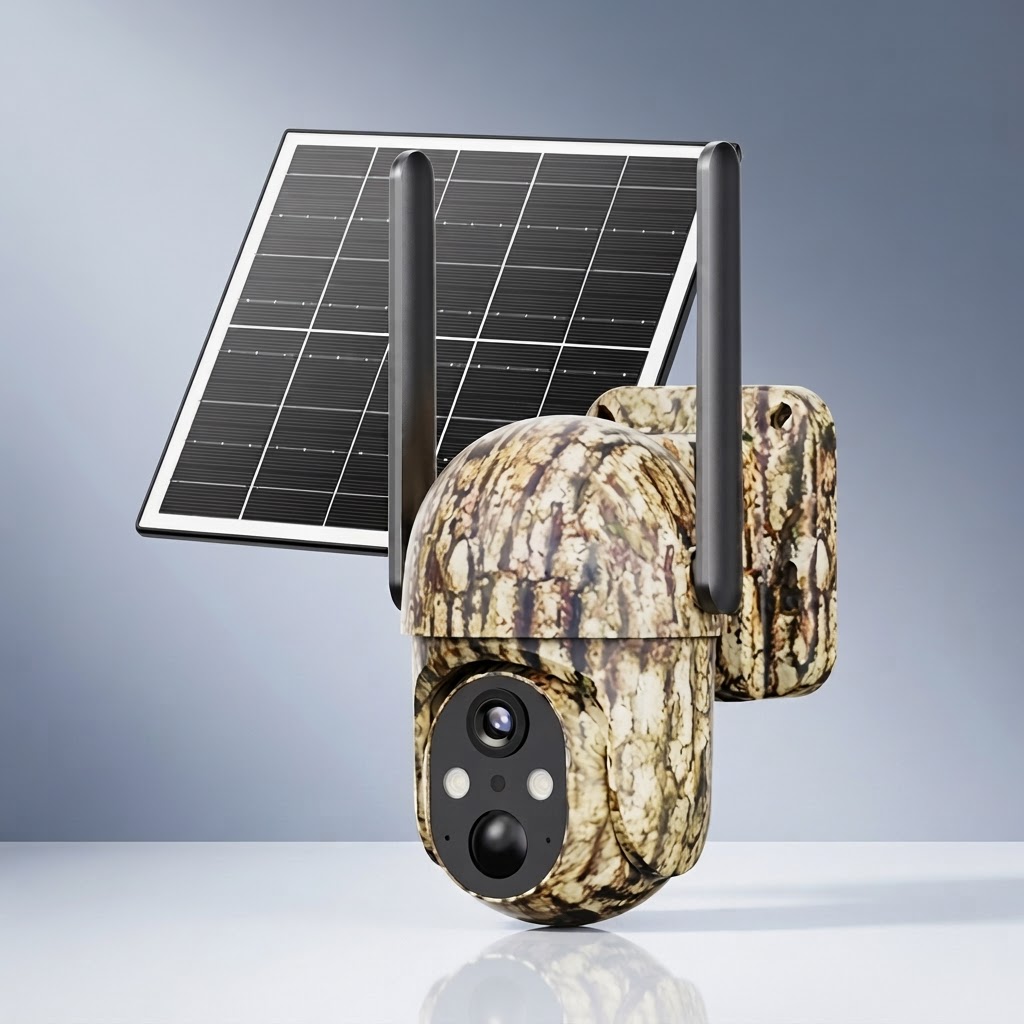
When choosing an off-grid surveillance device like the Solar Watch Cam, key technical specifications determine how well the camera performs in harsh remote environments:
Implementing Physical Deterrents alongside Smart Detection
Surveillance equipment works best when integrated into a broader physical security strategy. Enhance your cabin's physical perimeter by reinforcing door frames, installing heavy-duty deadbolts, and applying security film to ground-floor windows. Visible signage indicating active 2K camera recording and cellular monitoring serves as an immediate visual deterrent for opportunist trespassers.
Store critical machinery and tools inside locked structures or anchor them securely. Positioning cellular cameras near key access points—such as long driveways, main entry doors, and storage sheds—ensures that any unauthorized activity triggers an immediate push notification to your phone.
Configuring Reliable Remote Monitoring and Alert Systems
Once physical and digital protections are established, streamline your monitoring workflow. Ensure your remote security equipment supports multi-user view access, allowing family members, property managers, or security personnel to access live feeds simultaneously. Dual storage options—combining secure US-based cloud storage with local microSD expansion up to 128GB—guarantee that video evidence remains safe even if cellular connections fluctuate temporarily during severe weather.
By combining self-sustaining solar power, reliable 4G LTE connectivity, and intelligent AI motion filtering, you can achieve complete peace of mind and protect your off-grid property year-round from anywhere in the country.
Related in this cluster
- How to Install Off-Grid Security Cameras at Remote Properties
- How 4G Cellular Security Cameras Work Without Home Wi-Fi
- Cellular Security Cameras vs Wi-Fi Security Cameras for Rural Properties
- 5 Must-Have Features for Remote Job Site and Cabin Security Systems
- Why the Solar Watch Cam Is the Ultimate No-Wi-Fi Off-Grid Security Solution
- Off-Grid Cabin Security & 4G Solar Cameras: Frequently Asked Questions