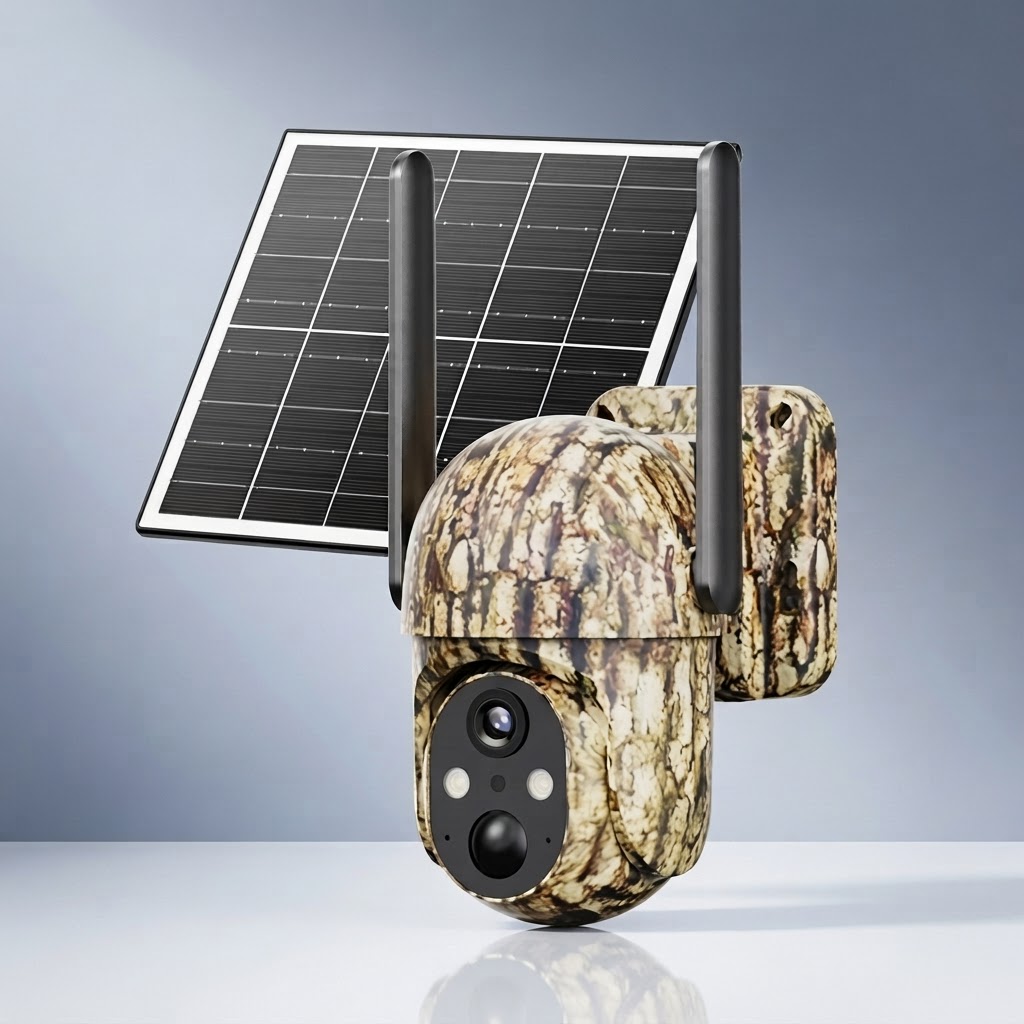
How to Secure Remote Property Without WiFi: The Complete Off-Grid Guide
Securing off-grid real estate, rural ranches, remote cabins, construction job sites, and vacation homes presents a distinct set of hurdles. Traditional home security relies heavily on broadband internet, wired electricity, and local police response times. When your property lacks access to a standard router or power outlet, you must implement specialized strategies designed for harsh environments and isolated locations.
Understanding the Unique Security Challenges of Off-Grid Property
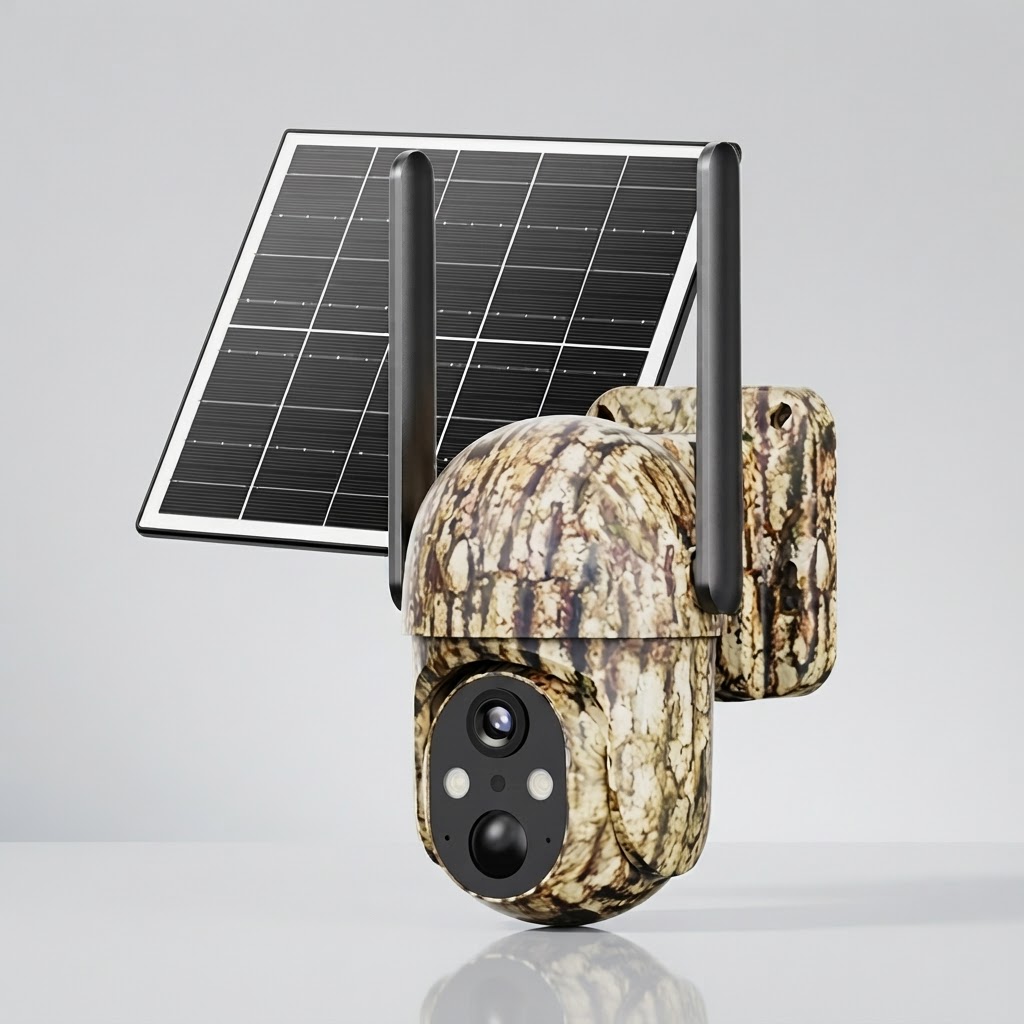
Remote properties are frequent targets for trespassing, equipment theft, and vandalism precisely because intruders assume no one is watching. Furthermore, environmental elements such as extreme temperatures, heavy rainfall, and high winds demand rugged hardware rated to withstand real weather. A successful protection plan balances physical deterrence, local environmental resiliency, and immediate real-time alert capabilities.
Connectivity Options: How to Monitor Sites Without Fixed Internet
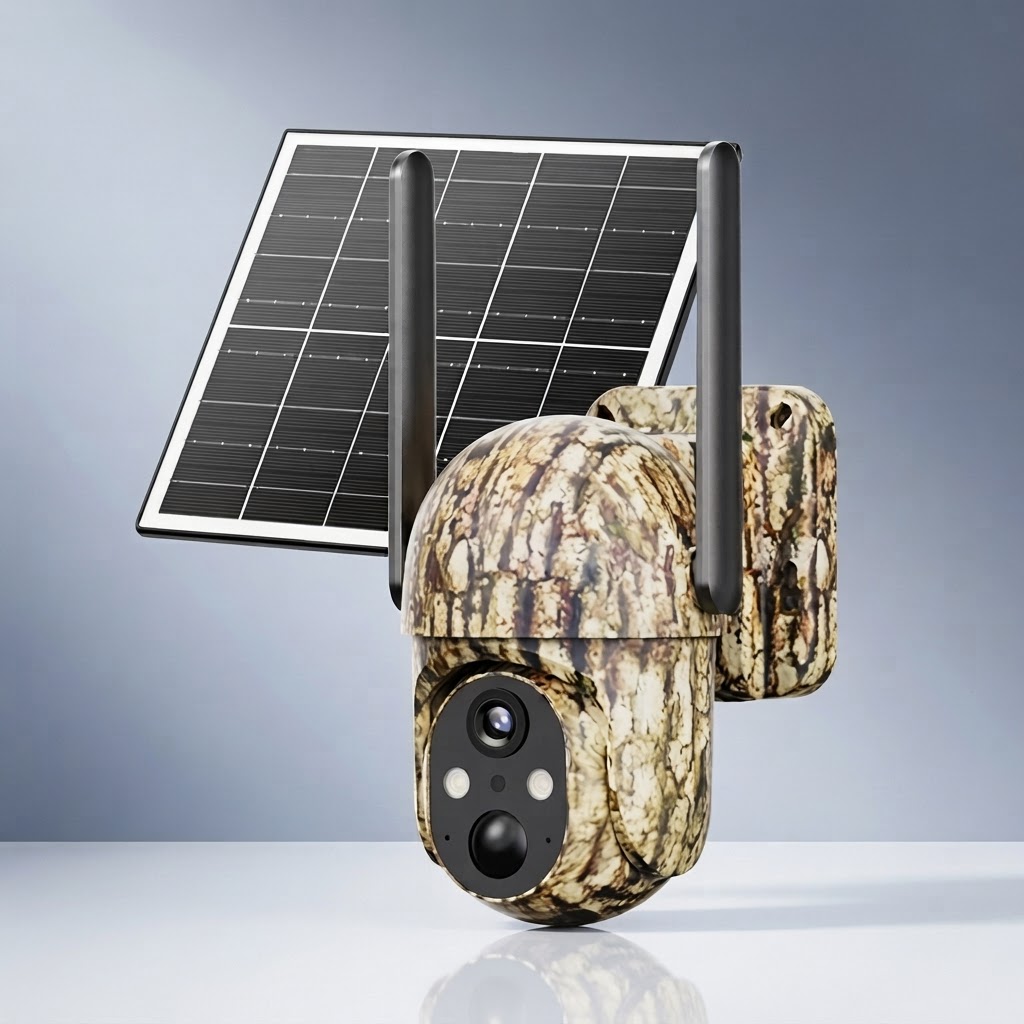
When standard cable or fiber internet is unavailable, property owners historically relied on local closed-circuit recording or expensive satellite setups. Modern cellular technology has fundamentally transformed off-grid security. Standalone security cameras equipped with multi-carrier 4G LTE modules auto-connect to national cellular networks like Verizon, T-Mobile, and AT&T. This allows landowners to receive instant video alerts and stream live footage directly to mobile devices without needing a traditional Wi-Fi connection or manual phone carrier provisioning.
Powering Remote Surveillance: Solar vs. Battery Systems
Power availability is the second major obstacle in off-grid surveillance. Running electrical conduit across acres of land is cost-prohibitive. While standard battery-powered units require frequent ladder climbs for manual swapping, pairing high-capacity internal batteries with integrated solar panels creates a self-sustaining power system. A unit equipped with a BATTERY_CAPACITY_MAH internal battery connected to a continuous solar charger provides year-round operation zeroing out electrical bills and eliminating maintenance trips.
Essential Features for Off-Grid Security Cameras
To effectively safeguard isolated acreage, a surveillance setup requires more than basic video recording:
Step-by-Step Strategy for Comprehensive Remote Protection
Securing a remote property effectively involves layering physical security measures alongside smart digital surveillance:
- Establish Clear Perimeter Boundaries: Install reinforced fencing, locked gates, and visible warning signage around the property line.
- Position Cameras Strategic Heights: Mount solar surveillance units at RECOMMENDED_MOUNTING_HEIGHT_FEET to maximize field of view, ensure adequate solar exposure, and prevent tampering.
- Secure Entry Points: Focus camera angles on main access roads, driveways, gate entrances, and outbuilding doorways.
- Establish Multi-User Access: Ensure family members or site managers can monitor the live feed simultaneously to double perimeter coverage.
Managing Storage and Live Streaming on Cellular Networks
Data efficiency is paramount on cellular systems. Efficient off-grid cameras utilize smart local storage—such as an onboard microSD card up to 128GB—alongside encrypted cloud backups. This hybrid approach guarantees video evidence is safely captured off-site during emergency events while minimizing unnecessary data consumption during idle periods.
Related in this cluster
- How to Install an Off-Grid Cellular Security Camera in 5 Steps
- Cellular vs Satellite vs Local SD Security Cameras for Remote Sites
- 5 Must-Have Features for Remote Ranch and Construction Site Security
- Why Solar Watch Cam is the Ultimate WiFi-Free Security Solution for Cabins
- Understanding 4G LTE Data Requirements for Solar Watch Cam
- Frequently Asked Questions About Off-Grid Solar Security Cameras