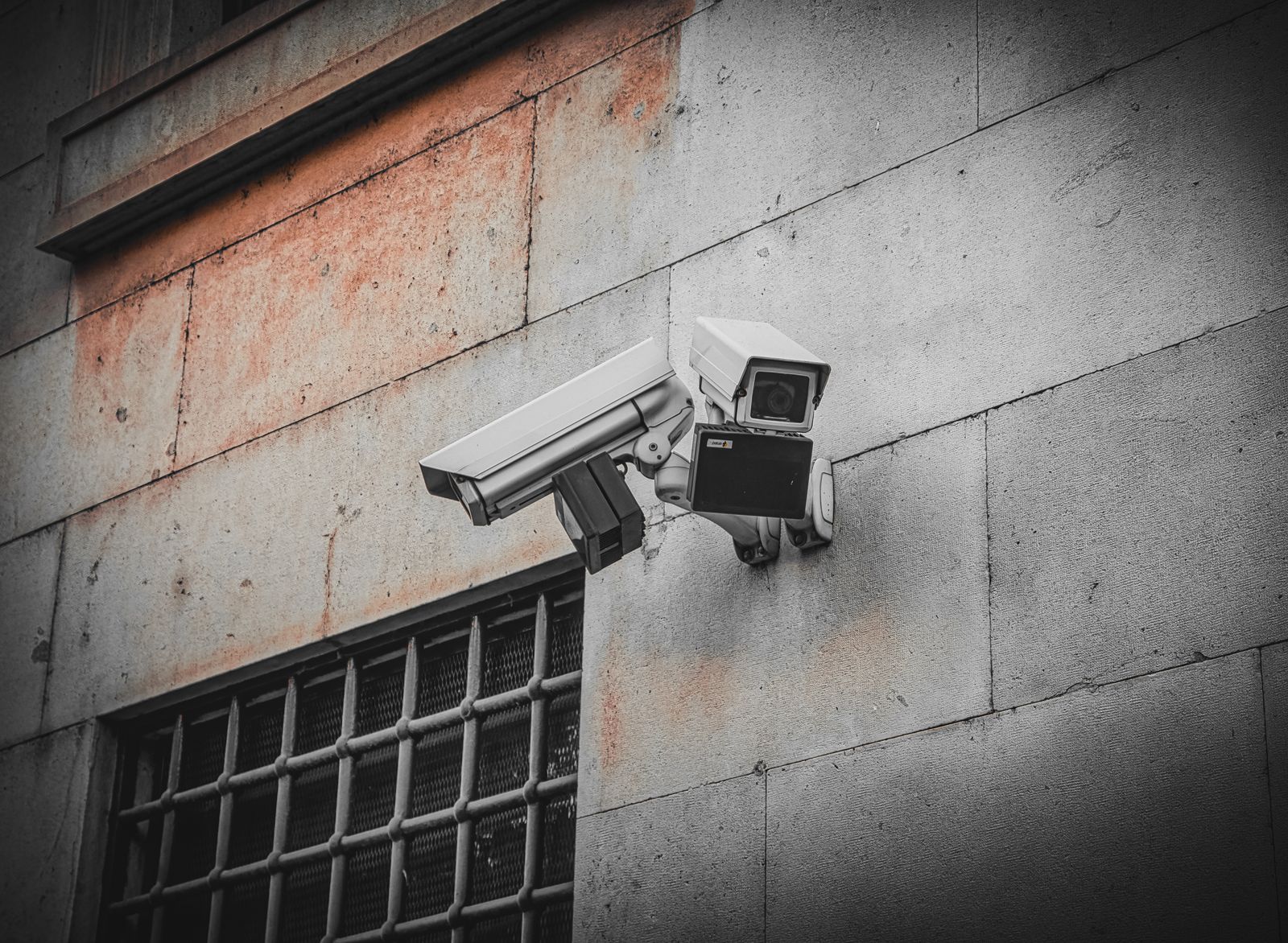
Extreme Heat vs. Battery Life: Protecting Solar Security Cameras in 100°F+ Summer Weather
Extreme heat vs battery life is the summer version of the off-grid power problem. Protecting solar security cameras in 100°F+ weather means sun on the panel, less oven on the housing, and a quiet 4G radio. Solar Watch Cam is a cellular solar security camera with a 10,000 mAh battery; mount it 8-10 feet so you can service it without cooking the pack against a south tin wall.
Can Solar Security Cameras Survive 100°F+ Extreme Heat?
They can if the enclosure is not a sealed black box in still air against metal. Survive is airflow, panel placement, and not adding live stream as a heater. 100°F air is not the same as the temperature inside a sun-soaked housing.
Thermal Performance Matrix: Standard Retail vs. High-Temperature 4G Solar Cameras
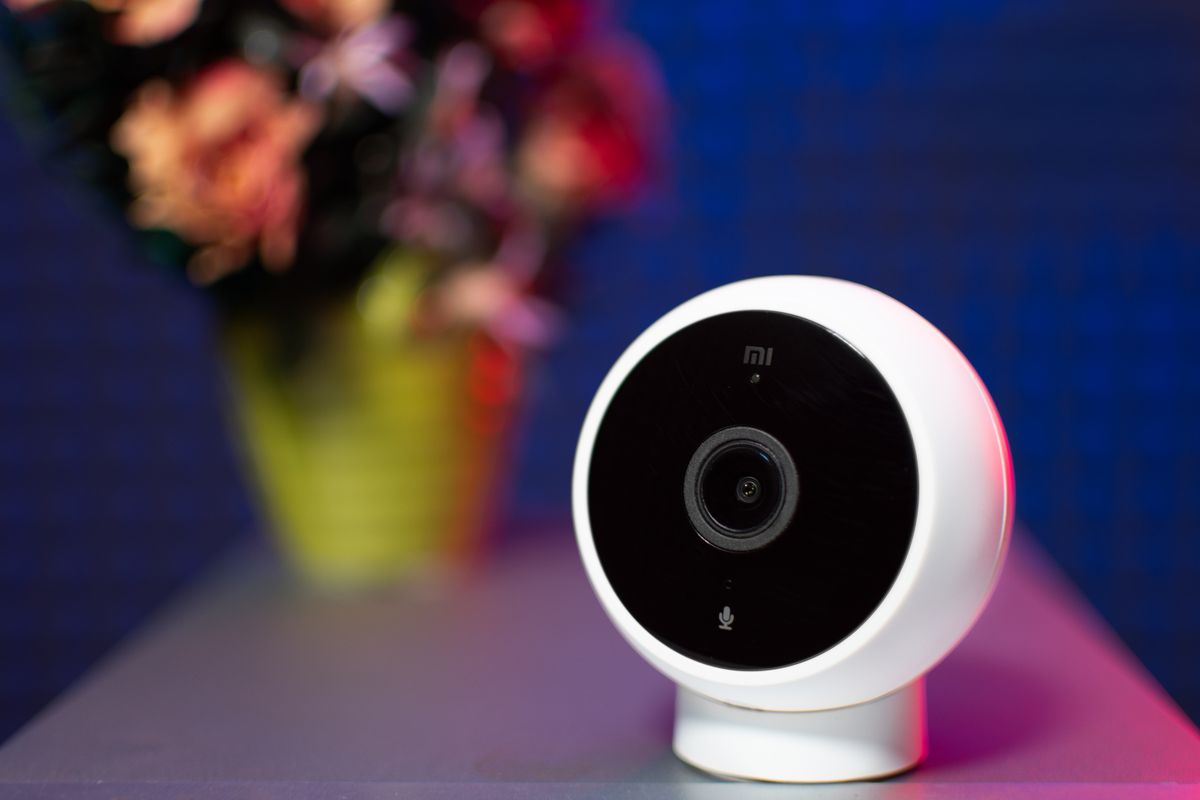
Retail indoor cams outside fail first. 4G solar units still need install discipline in desert heat.
| Factor | Retail indoor/Wi-Fi cam outside | 4G solar, field-mounted | | --- | --- | --- | | 100°F+ air | Often cooked on siding | Survives with airflow | | Panel vs housing | Usually no real panel | Can decouple panel | | Battery life in heat | Drops fast | Better if radio is quiet | | Dust storms | Open ports fail | Gasket discipline | | Mount | Wherever handy | 8-10 feet, off tin | | Live stream in heat | Adds oven load | Still a bad idea | | Service | Often forgotten | Reachable at 8-10 feet |
Trade-offs of Heat-Resilient Power Architectures
A panel on the housing is simple and can overheat the box. A decoupled panel lets the camera sit in a sliver of shade while the panel stays in sun—the right trade-off for 100°F+ sites. Battery life still dies if the modem retries all afternoon.
Pro Tip: Decoupling the Solar Panel to Prevent Internal Enclosure Overheating
If the vendor allows a short lead, put the panel in sun and the camera where air moves. Do not hide the camera in an unvented steel can. Decoupling is the field trick that protects battery life when the air is already extreme heat.
Actionable Summer Protection Plan
Move off tin, confirm airflow, keep events-only, wash dust off the panel, and check the 10,000 mAh pack is cycling, not swelling in an oven. Walk the site at 3 p.m., not at 8 a.m.
- [ ] Walk the site at peak afternoon heat.
- [ ] Get the housing off bare south-facing tin.
- [ ] Keep the panel in sun; shade only the box if you can.
- [ ] Wash dust off the panel so charge does not stall.
- [ ] Set event recording; disable idle live view.
- [ ] Confirm 4G bars so the radio is not retrying in the oven.
- [ ] Retighten 8-10 feet hardware after thermal cycling.
- [ ] Check gasket grit after dust storms.
Summary: Protecting Off-Grid Cameras from Desert Heat
Sun is income for the panel and abuse for the box. Split those. Extreme heat vs battery life is won on placement, dust, and radio quiet—not on wishing for October.
Summer Thermal Inspection & Maintenance Schedule
Weekly in peak heat: dust on glass, airflow around the housing, app health. After dust storms: wipe gasket faces. Monthly: fasteners at 8-10 feet, shade from new stacks of materials.
Technical Specification Matrix for Extreme Heat Resilience
Inspectable field items. Do not invent a product temperature certificate.
How to Choose the Right Camera for Your Climate Zone
Humid southeast: gaskets and rain. Desert southwest: heat and dust. High plains: both wind and sun. The right camera is 4G solar you can mount with a decoupled panel idea in mind, not a plastic indoor cube.
Recommended Off-Grid High-Temperature Solar Camera
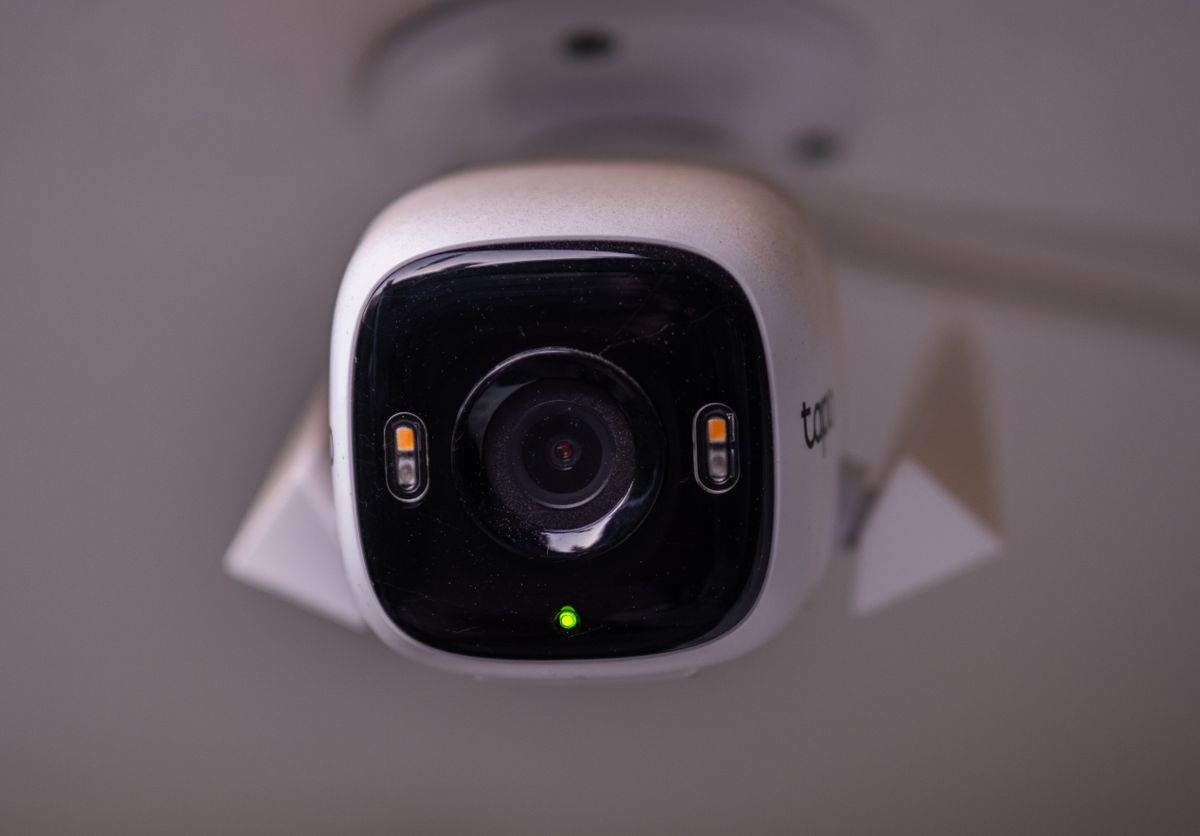
Photo by Doğan Alpaslan Demir on Pexels
Solar Watch Cam: cellular solar, 10,000 mAh, 8-10 feet, serviceable. High-temperature resilience is that pattern plus the install habits in this comparison—not a magic alloy claim.
Real-World High Heat Scenarios: Southwest Ranches, Construction Sites, and Desert Cabins
Ranch steel barn: off the tin, panel on a short lead. Construction conex: upper corner with air, not the sun-facing door. Desert cabin: afternoon shade on the housing, full sun on the panel. Same 100°F+ air, different ovens.
The Science of Solar Thermal Load: Why 100°F Air Means 130°F+ Inside Your Camera
Dark housings absorb. Still air next to metal adds more. Internals can run far hotter than the weather app. That is why battery life sags in extreme heat even when the 10,000 mAh number looks large on the box. Load (radio) plus oven (mount) is the real temperature.
Related Weather & Off-Grid Solar Guides
- guide to Solar Watch Cam battery life expectations
- weatherproofing setup guide for Solar Watch Cam
- how to install a solar cellular security camera
- FAQ about off-grid solar security cameras
Frequently Asked Questions About High Temperature Solar Security Cameras
Can solar security cameras survive 100°F+ extreme heat?
Yes with airflow, a smart panel lead, and quiet 4G. A black box on tin is the failure case.
Why does battery life fall when it is hot?
Chemistry plus an oven housing plus radio retries. The 10,000 mAh pack is not a desert exception.
Should I put the whole camera in shade?
Shade the housing if you can still sun the panel. Full shade with no panel sun is a dead battery of another kind.
Is 130°F inside a real number?
It is a teaching estimate for sun-soaked boxes, not a lab report on one product. Treat interiors as hotter than the air.
Does Solar Watch Cam need a special summer kit?
It needs placement, dust care, and event loads at 8-10 feet. That is the kit.
What to do next
At 3 p.m., stand at the post. If the housing is an oven on tin, move it; keep the panel in sun. Protecting solar security cameras in 100°F+ summer weather is extreme heat vs battery life—quiet 4G, dust off glass, Solar Watch Cam at 8-10 feet with the 10,000 mAh pack out of a steel frying pan.
Cover photo by ᛟᛞᚨᛚᚹ ᚨᚱᚲᛟᚾᛊᚲᛁ on Pexels.