How Do Cellular Security Cameras Work: Complete Off-Grid Guide
Securing properties in remote locations presents a unique set of challenges. Traditional home security systems rely heavily on wired high-speed internet and continuous electrical grid power. However, for ranches, construction sites, vacation cabins, and agricultural fields, these infrastructure requirements are rarely available. Understanding how do cellular security cameras work allows property owners to secure isolated areas without laying expensive cables or installing local internet service.
Understanding Cellular Security Camera Technology
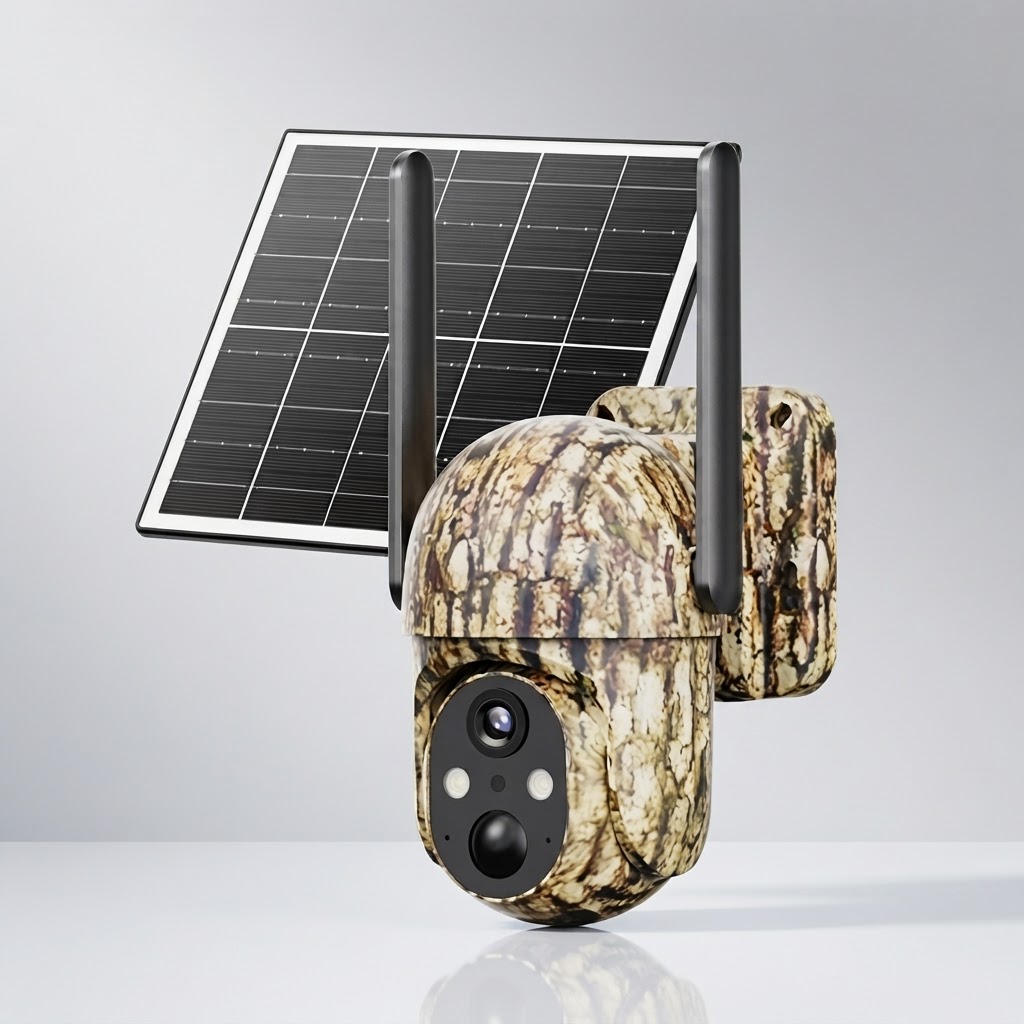
At its core, a cellular security camera operates similarly to a mobile smartphone. Instead of routing footage through a local router using Wi-Fi frequencies, the unit contains a cellular transmitter module. This hardware module communicates directly with commercial cell towers operated by major national carriers such as Verizon, T-Mobile, or AT&T. When activity occurs within view of the lens, the camera converts visual information into digital data packets sent across these cellular bands to secure cloud servers or your mobile application.
How Data Is Transmitted Without Local WiFi
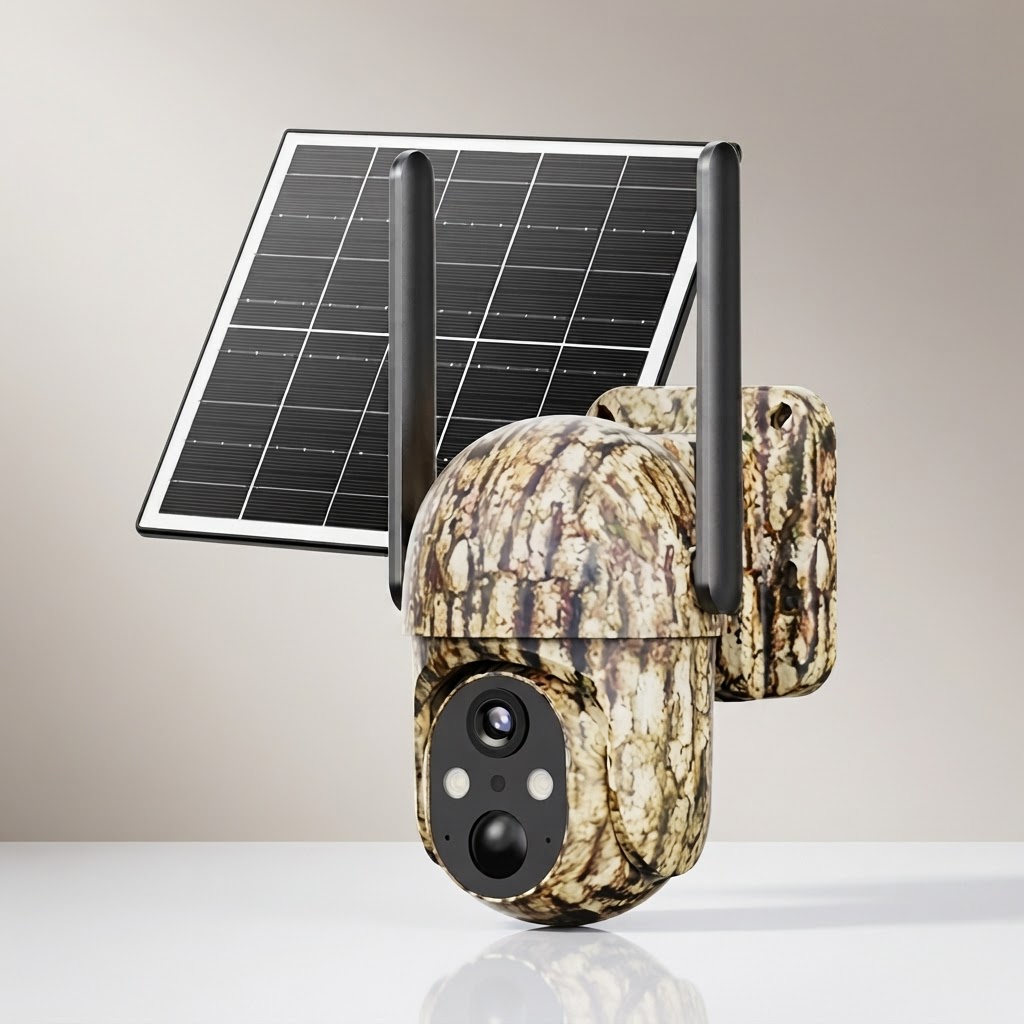
Without local Wi-Fi, the camera connects automatically to the strongest nearby tower. Modern units utilize high-speed LTE networks to stream video feeds, send instantaneous push notifications, and relay two-way voice audio. The data pipeline works in two primary ways:
- Event-Based Streaming: The camera remains in a low-power standby state until triggered by movement, transmitting short video clips only when necessary to preserve bandwidth.
- Live Streaming on Demand: When a user opens the mobile application to view a live feed, the camera establishes an active data session over the 4G network, allowing real-time video monitoring from anywhere in the world.
How Solar Power Keeps Security Cameras Running 24/7
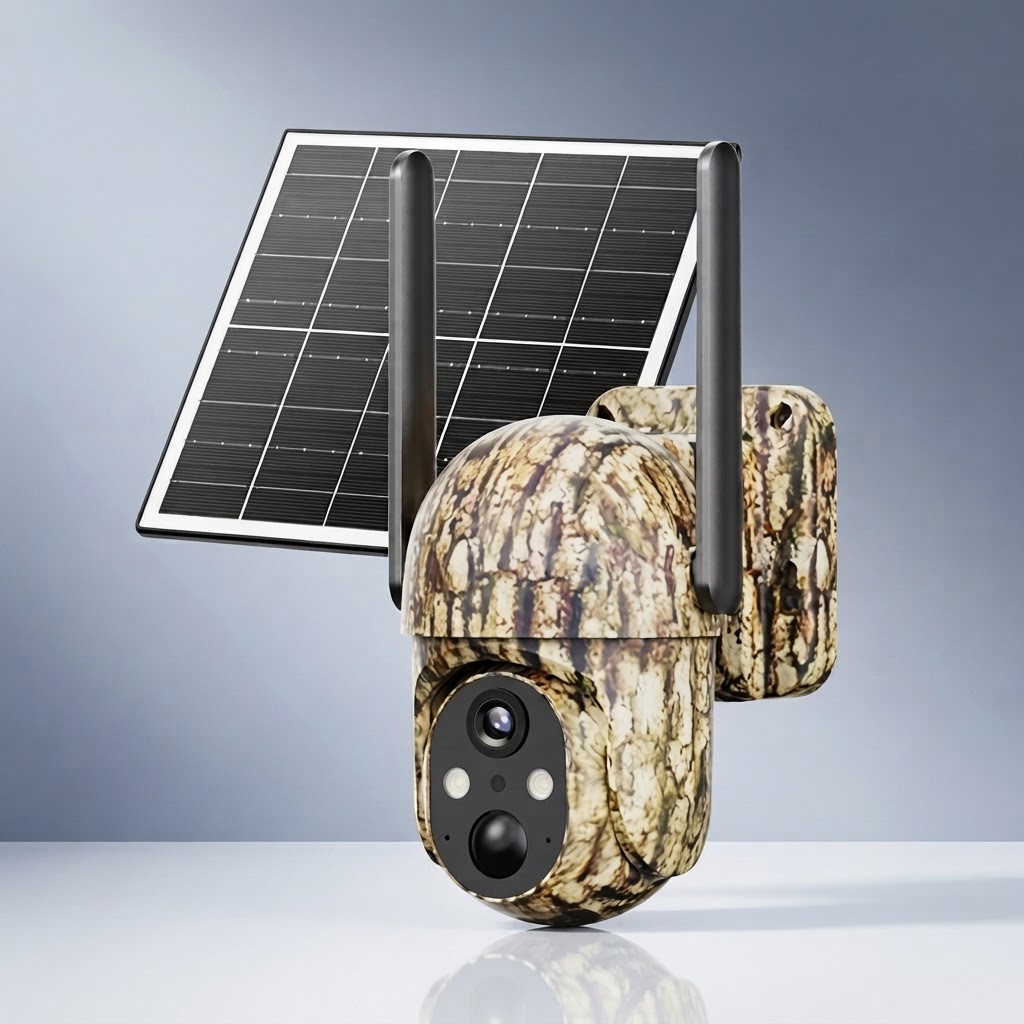
To achieve true independence from existing infrastructure, cellular cameras are paired with photovoltaic solar panels and rechargeable internal lithium batteries. A dedicated setup, such as a camera equipped with a BATTERY_CAPACITY_MAH battery, absorbs sunlight throughout the day to replenish spent power. The panel generates direct current (DC) power to keep the internal cell continuously charged, allowing continuous operation through cloudy spells, winter weather, and long overnight periods without direct electrical hookups.Key Components: Motion Detection, Storage, and AI
To avoid exhausting battery life and consuming excessive cellular data, off-grid security systems rely on modern hardware efficiencies:- Passive Infrared (PIR) & AI Detection: Instead of analyzing every pixel continually, thermal sensors detect thermal radiation from moving objects. Advanced artificial intelligence then processes the shape to differentiate between humans, vehicles, and harmless background motion like blowing leaves or small insects.
- Dual Storage Options: Recorded footage can be backed up directly to secure US-based cloud servers via the cellular network or recorded locally on an onboard micro SD card up to 128GB.
- Night Vision and Spotlights: Modern sensors capture 2K resolution video and utilize integrated spotlights to provide full-color night vision instead of standard monochrome infrared imaging.
Choosing the Right SIM and Network Coverage
Because cellular cameras function over mobile networks, they require a cellular data plan. Many integrated units auto-connect to available networks using multi-carrier SIM cards without requiring manual activation with phone carriers. The dynamic network selection ensures that whether your property sits near a town or deep in a rural area, the camera connects to whatever tower delivers the strongest signal.Ideal Placement and Setup for Maximum Protection
When setting up an off-grid security monitor like the Solar Watch Cam, location selection determines reliability. Mounting the unit at a height of 8-10 feet feet facing south maximizes solar exposure while offering an unobstructed field of view. Ensure the camera is positioned within range of at least one major cellular carrier network, test the transmission in the mobile app, and lock down your site without running a single wire.
Related in this cluster
- How Cellular Cameras Send Data Without Local Wi-Fi
- Cellular vs Wi-Fi Security Cameras for Off-Grid Properties
- Solar Watch Cam Review: Zero-Maintenance Off-Grid Security
- Cellular Security Camera FAQ: Data, Battery, and Setup
- How to Install a Solar Cellular Security Camera in 10 Minutes
- 6 Features to Look for in Remote Farm and Cabin Security Cameras