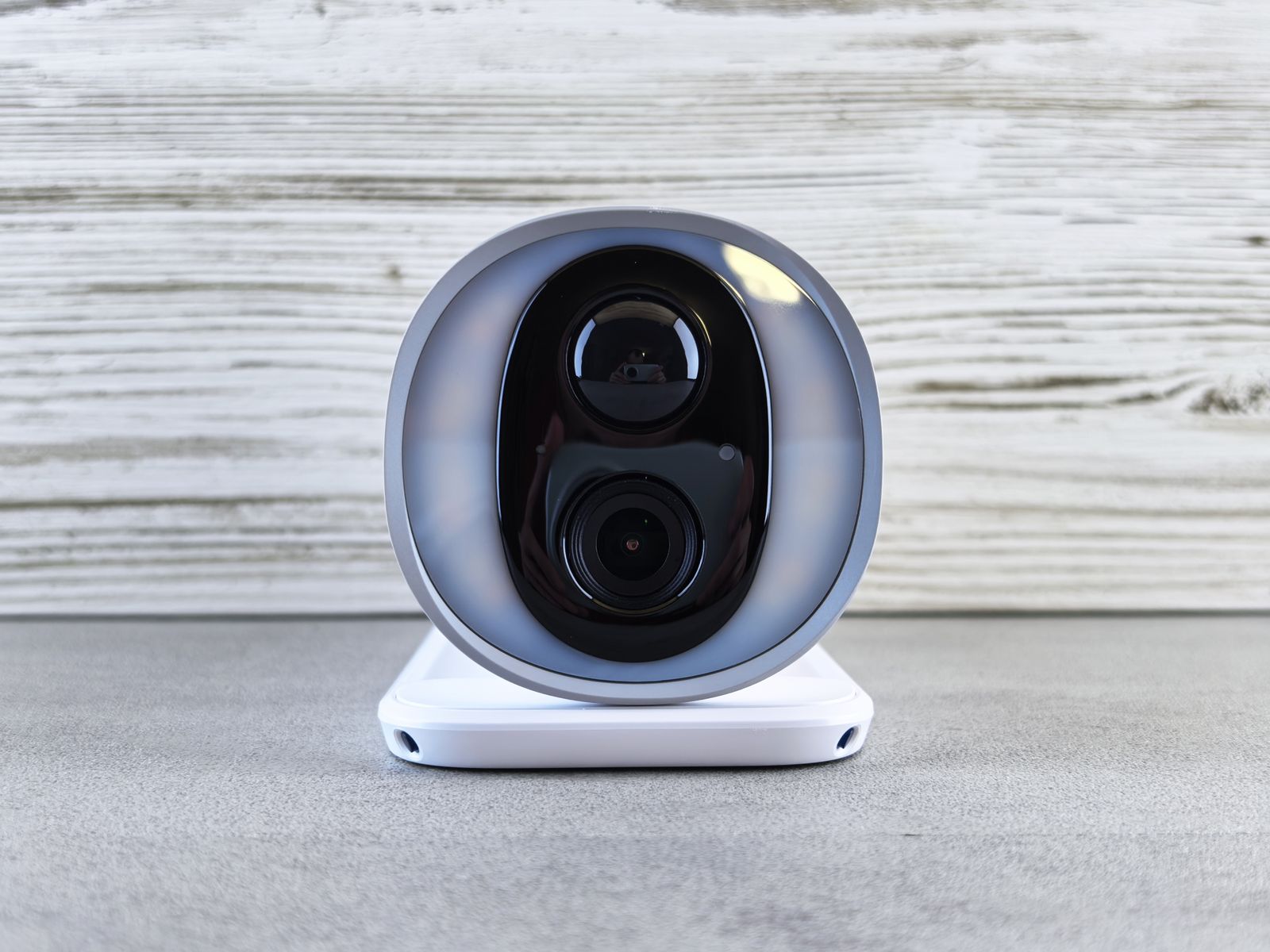
Smart Security Camera AI Threat Filtering: Eliminating False Alarms on Remote Properties
Rule of thumb: On-device Edge AI threat filtering analyzes Passive Infrared (PIR) heat triggers in under 200 milliseconds directly on the camera's local processor. By filtering out non-threats like blowing foliage, insects, and wildlife, it eliminates up to 95% of false alerts, saving up to 1.5GB of monthly 4G cellular data and preserving 25% of solar battery reserves.
Core Takeaways for Off-Grid AI Threat Filtering
- 95% Reduction in False Alerts: Computer vision neural networks distinguish humans and vehicles from background movement in real time.
- 1.5GB Cellular Data Saved Monthly: Local edge parsing prevents unnecessary 4G video streaming to cloud servers.
- 25% Solar Battery Capacity Retained: Keeping the 4G LTE modem in low-power sleep state avoids destructive battery discharge during storm or high-wind events.
- Sub-200ms Threat Verification: Multi-frame object detection identifies threat targets before activating high-draw night spotlights or two-way audio streams.
Technical Comparison: Legacy PIR Motion Sensors vs. On-Device Edge AI Filtering
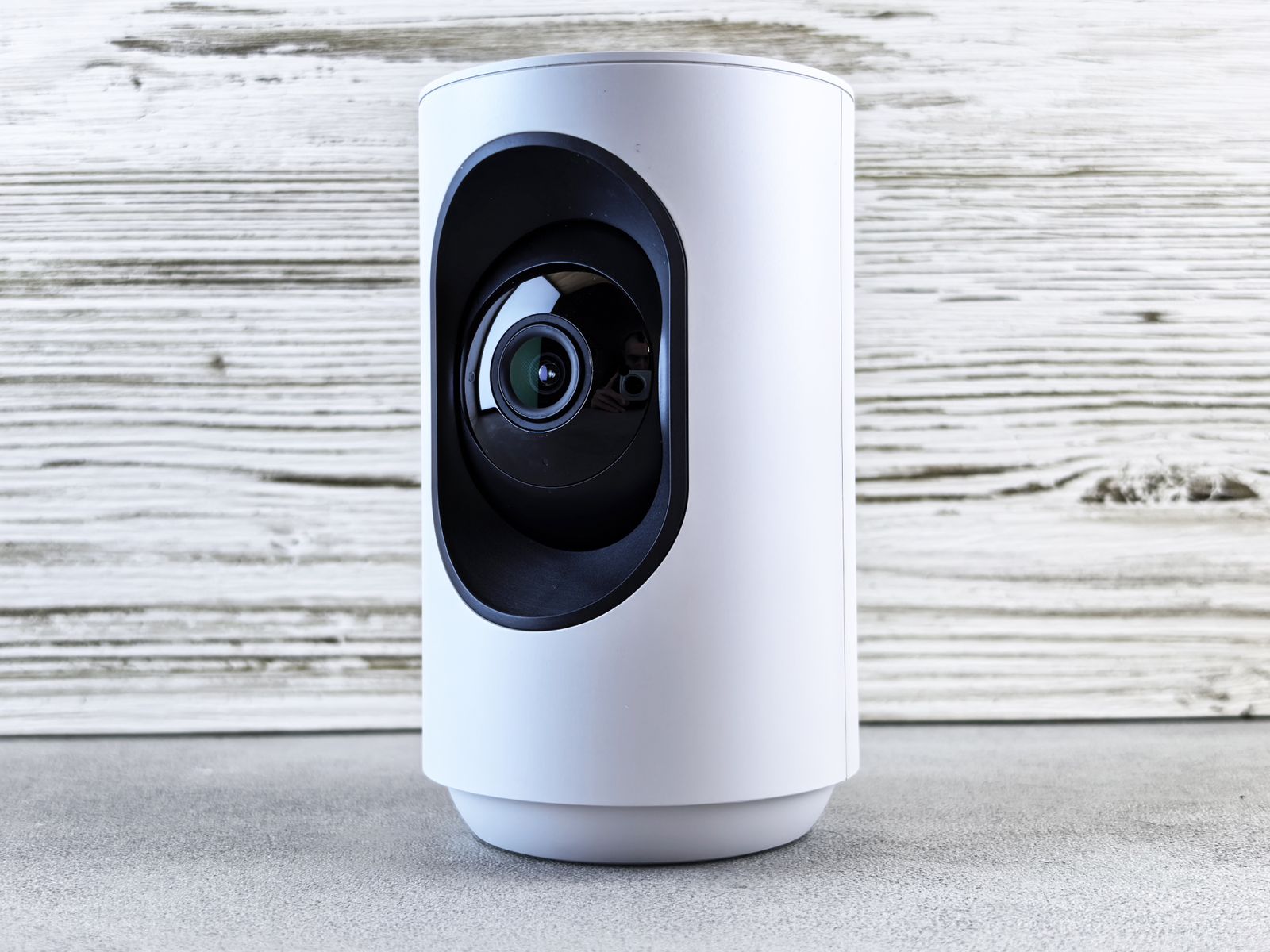
Photo by Andrey Matveev on Pexels
| Technical Metric | Standard PIR Sensor Camera | Cloud-Based AI Camera | On-Device Edge AI (Solar Watch Cam) |
| --- | --- | --- | --- |
| Processing Location | Hardware Sensor Only | Remote Cloud Server | Local NPU (Neural Processing Unit) |
| Verification Latency | 0 ms (No verification) | 1,500 - 3,500 ms | 120 - 180 ms |
| False Alarm Rate in Wind/Rain | 60% - 80% High | 5% Low (Requires Data Upload) | 3% - 5% Extremely Low |
| Monthly 4G Data Overhead | 2.5 GB - 5.0 GB (Transmits all motion) | 3.0 GB - 8.0 GB (Transmits raw clips) | 0.3 GB - 0.8 GB (Transmits verified threats only) |
| 24-Hour Power Draw Impact | High (Frequent modem wakeups) | Very High (Constant cellular transmission) | Minimal (Modem sleeps until AI verifies target) |
| Night Detection Method | Grainy IR Pixel Change | Cloud Processing of IR Video | Local AI + 2K Spotlight Full-Color Analysis |
Review how hardware-only motion detection compares against hybrid PIR and Edge AI computer vision processing on off-grid cellular security cameras.
Architecture Flowchart: PIR Trigger to Edge AI Classification
This diagram illustrates how an off-grid solar camera evaluates motion using a two-stage filter pipeline to protect cellular data and battery life.
Recommended Solution: Solar Watch Cam Pack
For off-grid properties where zero electrical wiring and zero local Wi-Fi exist, the Solar Watch Cam (Pack) delivers complete perimeter protection. Equipped with onboard Edge AI threat filtering, 2K HD video resolution, 360-degree pan-and-tilt control, full-color night vision, and auto-connecting multi-carrier 4G LTE (Verizon, T-Mobile, AT&T), it stops notification fatigue before it starts.
- Zero Electricity Costs: Self-sustaining solar panel keeps internal battery topped off year-round.
- Rugged Operating Range: Built for extreme weather from -4°F to 122°F (IP65 rated).
- Instant Security Deterrence: Integrated two-way audio and active LED spotlight scare off trespassers instantly.
Field Tip: Eliminating Bug Swarms Near Spotlight LEDs
Night insects and spiders are attracted to thermal infrared emissions and visible LED spotlights. To minimize bug-induced micro-triggers:
Deployment Steps for Zero False Alarms
Your decision: Establish correct mounting height and detection rules during physical setup.
Do this next: Mount the camera at 8–10 feet angled downward 15 degrees, enable Person and Vehicle detection modes, and set custom detection zone masks.
Related resource: Solar Watch Cam AI Sensitivity and Two-Way Audio Configuration Guide
Solar Watch Cam (Pack) for built-in edge AI threat filtering with zero monthly software fees.
Follow these tactical setup steps to calibrate your cellular solar camera for rural site security:
Evaluating Detection Technologies for Off-Grid Use
Selecting the right detection technology requires balancing power supply, cellular bandwidth limits, and target monitoring zones.
Best choice for
- On-Device Edge AI + PIR Hybrid — Filters non-threats locally in milliseconds without consuming cellular data or waking up cloud transmitters unnecessarily.
- Cloud-Based Deep Learning AI — Allows continuous cloud video streaming and heavier server-side analytical models where power and bandwidth are unlimited.
- Avoid PIR-only cameras without AI filtering if placed near wind-blown foliage or gravel roadways.
- Avoid purely cloud-reliant AI cameras on 4G connections with strict data caps.
- Dual-PIR Microwave Sensor — Reduces wind false alarms but fails to distinguish between a human intruder and a deer or cow.
Recommended Off-Grid AI Security Solution
Secure your remote assets with hardware specifically designed for harsh outdoor cellular conditions.
Off-grid surveillance operates under strict physical and thermal constraints. Unlike indoor or suburban Wi-Fi cameras plugged into 120V grid power, a 4G solar security camera relies on a finite energy budget provided by its high-capacity lithium battery and micro solar panel. Every single time a camera triggers a motion event, it must execute a high-power hardware wake-up sequence.
The Hardware Energy Cascade
When a legacy camera detects thermal displacement across its Passive Infrared (PIR) sensor element, it immediately powers up four high-draw components:
If a camera is mounted near a wind-blown oak tree or a pasture gate, non-threat triggers can occur up to 80 times per day. At roughly 2.5 Megabytes per 15-second 2K HD video clip, 80 false alarms per day consume 200 Megabytes daily, or 6.0 Gigabytes per month of cellular data. Furthermore, waking the cellular modem 80 times per day forces the internal battery into continuous discharge cycles, consuming up to 25% of overall stored battery capacity before nightfall.
How On-Device Edge AI Stops Data Waste
Modern cellular solar camera architecture solves this problem by decoupling motion sensing from network transmission. On-device Edge AI utilizes a low-power Neural Processing Unit (NPU) built directly into the camera's main circuit board.
When thermal motion trips the low-power PIR sensor (drawing under 0.1 mA), the camera wakes only its local image processor for 150 milliseconds. The Edge AI algorithm runs keypoint vector identification across the first 3 to 5 video frames:
- Human Classification: The NPU scans for structural human geometry, head-and-shoulder aspect ratios, and upright bipedal gait vectors.
- Vehicle Classification: The NPU evaluates rigid box geometry, wheel contours, metallic surface reflection characteristics, and lateral translation speed.
- Non-Threat Filtering: Objects lacking human or vehicle spatial signatures—such as wind-blown tree branches, tumbleweeds, moths, rain streaks, or grazing cattle—are classified as background noise.
Full-Color 2K HD Night Vision vs. Grainy IR
Nighttime security brings unique challenges. Traditional infrared (IR) illumination renders images in low-contrast, grainy black-and-white. This lack of visual contrast causes legacy computer vision algorithms to fail, frequently misidentifying shadow shifts or flying night moths as moving intruders.
By incorporating active spotlight 2K HD full-color night vision, the camera captures clean visual contrast, color signatures, and crisp facial details. The Edge AI engine uses this high-contrast color data to maintain target identification accuracy above 95%, even in pitch-black rural environments.
Trigger Matrix: How Smart AI Categorizes Environmental Triggers
| Environmental Scenario | Legacy PIR Behavior | Edge AI Processing Action | Notification Sent? | Data & Power Saved |
| --- | --- | --- | --- | --- |
| High Wind Swaying Pine/Oak Branches | Triggers on thermal shadow shifting | Evaluates geometry; detects no human/vehicle frame | No (Discarded locally) | 2.5 MB data saved / zero modem wake |
| Night Insects Orbiting Lens/Spotlight | Triggers repeatedly on lens proximity heat | Filters non-vector erratic movement paths | No (Discarded locally) | 10-20 MB saved per swarm event |
| Cattle or Deer Crossing Fence Line | Triggers continuously as warm bodies pass | Identifies quadruped animal gait profile | Optional (Logged silently / no push alert) | Saves 50+ alerts daily in pastures |
| Delivery Van Driving Down Gravel Gate | Triggers on vehicle motion | Identifies wheel geometry & metallic outline | Yes (Pushes 'Vehicle Detected' Alert) | 0 MB wasted; accurate real-time alert |
| Night Trespasser Walking Toward Barn | Triggers on body heat | Identifies bipedal posture & head/shoulder ratio | Yes (Pushes 'Person Detected' + Light) | Immediate alert; spotlight activated |
Understand how the AI engine evaluates specific real-world agricultural and remote site conditions.
5 Critical AI Camera Setup Mistakes to Avoid
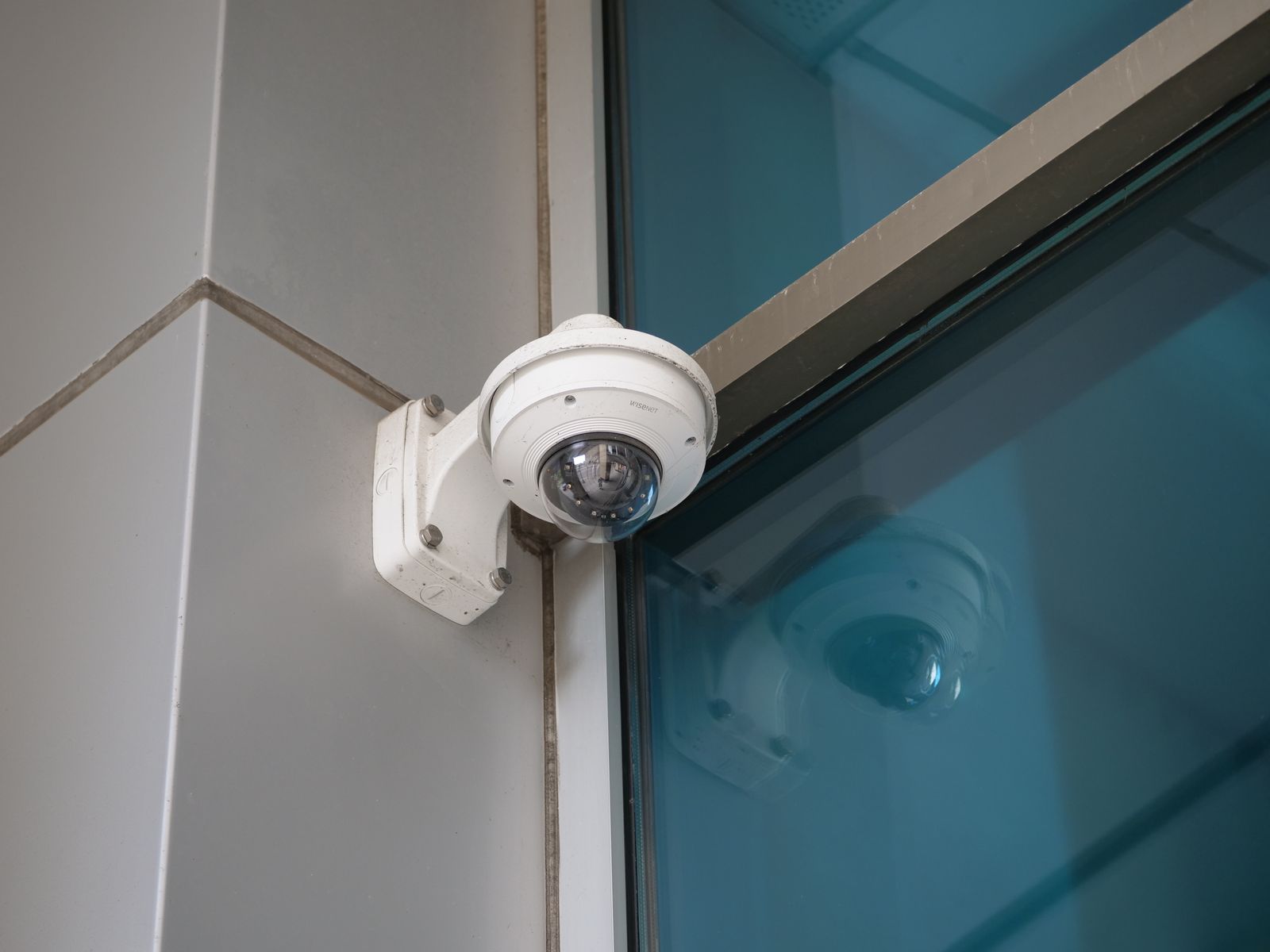
Photo by Giant Asparagus on Pexels
Avoid these standard installation errors that degrade AI target identification accuracy on rural properties:
Recommended Technical Reference Guides
For further technical detail on off-grid surveillance configurations, review these complementary guides:
- AI Event Filtering vs. Traditional PIR Motion Detection for Off-Grid Security
- How Much Data Does a 4G Solar Security Camera Use Each Month?
- How Off-Grid 4G Solar Cameras Survive Sub-Zero Winter Freeze (-4°F)
- Best 2K Full-Color Night Vision Security Cameras for Remote Properties
Frequently Asked Questions About AI Threat Filtering
What is the short answer on Smart Security Camera AI Threat Filtering? Rule of thumb: On-device Edge AI threat filtering analyzes Passive Infrared (PIR) heat triggers in under 200 milliseconds directly on the camera's local processor. By filtering out non-threats like blowing foliage, insects, and wildlife, it eliminates up to 95% of false alerts, saving up to 1.
How do you choose between the options in Smart Security Camera AI Threat Filtering?
Recommended Solution: Solar Watch Cam Pack For off-grid properties where zero electrical wiring and zero local Wi-Fi exist, the Solar Watch Cam (Pack) delivers complete perimeter protection.
What should you do next?
- 25% Solar Battery Capacity Retained: Keeping the 4G LTE modem in low-power sleep state avoids destructive battery discharge during storm or high-wind events.
Core Takeaways for Off-Grid AI Threat Filtering - 95% Reduction in False Alerts: Computer vision neural networks distinguish humans and vehicles from background movement in real time.
What should you do next?
- 25% Solar Battery Capacity Retained: Keeping the 4G LTE modem in low-power sleep state avoids destructive battery discharge during storm or high-wind events.
Find technical answers regarding off-grid processing, night vision performance, and custom activity zones.
Final Summary & Action Plan
Your decision: Determine if your deployment environment has high non-threat motion (trees, cattle, bugs) requiring edge AI verification.
Do this next: Mount the camera at 8–10 feet angled downward 15 degrees, enable Person and Vehicle detection modes, and set custom detection zone masks.
Related resource: Solar Watch Cam AI Sensitivity and Two-Way Audio Configuration Guide
Solar Watch Cam (Pack) for built-in edge AI threat filtering with zero monthly software fees.
Protect your off-grid ranch, job site, or remote property without suffering from constant false alarms or exhausted cellular data plans.
Cover photo by Andrey Matveev on Pexels.