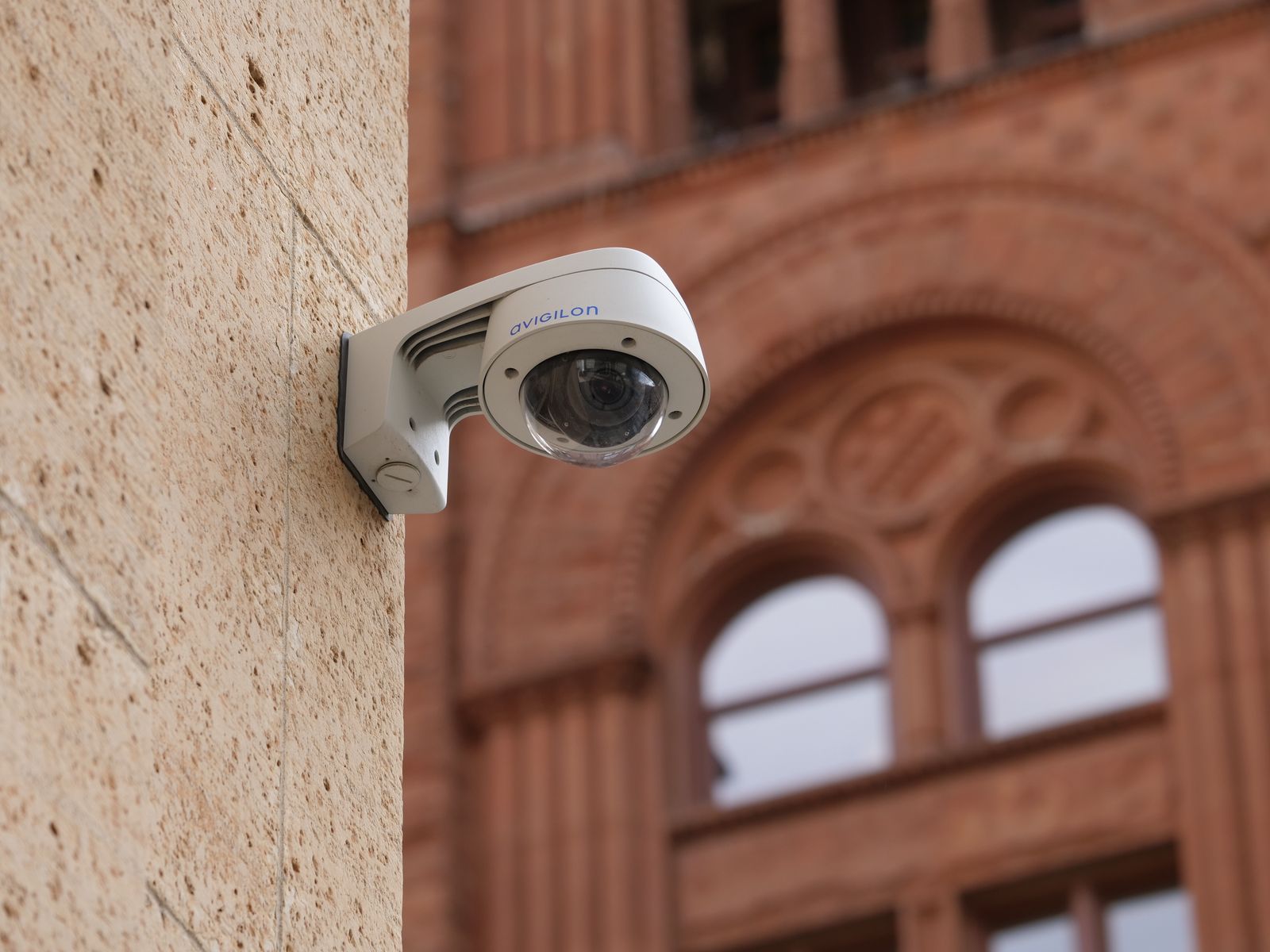
IP65 Weatherproof Rating Explained: What It Takes to Survive Heavy Rain, Dust Storms, and Snow
IP65 weatherproof rating explained in plain terms: dust-tight enough for dust storms, and a water jet from any direction—not a submarine. What it takes to survive heavy rain, dust storms, and snow is that rating plus gaskets you do not pinch, a mount at 8-10 feet, and a panel that still sees sun. Solar Watch Cam is a cellular solar security camera with a 10,000 mAh battery; treat weather as a system, not a logo.
Direct Answer: What Does IP65 Mean for Outdoor Security Cameras?
The IEC 60529 code IP65 means a 6 on solids (dust-tight) and a 5 on liquids (low-pressure water jets). It does not mean you can bury the camera or ignore ice on seals. Outdoor security cameras still need geometry and maintenance.
Key Takeaways: IP65 Protection at a Glance
Photo by Jan van der Wolf on Pexels
6 = dust. 5 = jets, not immersion. Snow load, freeze-thaw, and pinched cables defeat ratings. Confirm the rating on the unit you buy; this article explains the standard, not a hidden spec sheet.
Technical Spec Matrix: IEC 60529 IP65 Rating Breakdown
Use the matrix to decode the two digits so a salesperson cannot blur them.
Anatomy of an IP65 Sealed Cellular Solar Camera
Housing, lens window, cable glands, gasket faces, and a panel junction. A cellular solar camera also has SIM and reset doors—those are the openings people leave ajar. Anatomy fails at the last unlatched door, not at the molding.
Pro Tip: Maintaining Rubber Gaskets in Extreme Temperature Swings
Heat hardens rubber. Cold makes it brittle. Do not pinch gaskets under a slammed door. Keep them seated and clean of grit after dust storms. A smear of grit is a water path through an otherwise honest IP65 joint.
Immediate Action Plan for Remote Installation
Latch every door, drip-loop every cable, face the lens slightly down, mount 8-10 feet, and keep the panel out of a roof-dump. Then confirm 4G and sun. Weatherproofing is step one of install, not a later kit.
- [ ] Confirm the published IP rating on the actual unit.
- [ ] Latch SIM and reset doors before you climb down.
- [ ] Add drip loops; never route a cable up into a gland.
- [ ] Aim the lens slightly down; mount 8-10 feet.
- [ ] Keep the panel out of roof-dump and snow shelves.
- [ ] Seat gaskets—no grit, no pinch, no random silicone smears.
- [ ] After a dust storm, wipe gasket faces and glass.
- [ ] Charge the 10,000 mAh battery so a 'dead' camera is not misread as a weather fail.
Decision Support: Is IP65 Enough for Your Property Scenario?
Heavy rain and dust storms: IP65 is the common outdoor bar. Coastal driving spray or hose-down wash bays may want a higher second digit. Standing water and dunking want immersion ratings. Snow is mostly seals plus geometry. Choose by the abuse, not by a bigger number for sport.
Recommended Solution: Built for Off-Grid Weather
Pick a cellular solar security camera you can actually latch and wipe. Solar Watch Cam belongs on an 8-10 feet post with the 10,000 mAh pack in a housing whose doors stay shut. Pair it with the weatherproofing habits in related guides—ratings do not replace them.
Deep Dive: How Rain, Dust Storms, and Sub-Zero Snow Impact Remote Hardware
Photo by RDNE Stock project on Pexels
Rain finds upward-facing ports and pinched glands. Dust storms load gasket faces with grit. Snow is weight, meltwater, and white-out on panels. Sub-zero then freezes that melt into a wedge. Survive means drain paths, downward lens, steep panel, and visits after the worst day—not a sticker alone.
IP Rating Comparison Matrix: IP54 vs. IP65 vs. IP66 vs. IP67
Higher is not always required. Match the second digit to water reality.
| Rating | Solids (first digit) | Liquids (second digit) | | --- | --- | --- | | IP54 | Limited dust | Splashes | | IP65 | Dust-tight (6) | Water jets (5) | | IP66 | Dust-tight | Powerful jets | | IP67 | Dust-tight | Short immersion | | What IP65 is for | Dust storms, outdoor posts | Heavy rain, hose-like jets | | What IP65 is not | A buried camera | A submarine or ice-proof gasket forever | | Field still required | Gasket care | Downward lens, drip loops, 8-10 feet |
Critical Mistakes That Ruin Your Camera's Weatherproof Seal
Open reset doors. Cables without drip loops. Mounting under an eave that dumps ice. Pressure-washing the housing. Silicone smeared over a gasket instead of seating it. Each mistake voids the story of IP65 even if the molding was honest.
Related Resources on Off-Grid Weather Resiliency
- weatherproofing setup guide for Solar Watch Cam
- how to install a solar cellular security camera
- guide to Solar Watch Cam battery life expectations
- FAQ about off-grid solar security cameras
Frequently Asked Questions: IP65 Outdoor Durability
What does IP65 mean in one sentence?
Dust-tight housing that can take water jets, explained by IEC 60529—not an immersion rating.
Will IP65 survive heavy rain, dust storms, and snow?
It is built for dust and jets. Snow still needs geometry and wiping. Gaskets still need care.
Is IP67 always better for a ranch?
Only if you actually dunk the camera. For a post in rain, IP65 plus install discipline is the usual need.
Does a rating replace 8-10 feet mounting?
No. Height is tamper and drift. IP is ingress. You want both.
Is Solar Watch Cam automatically IP65?
Read the unit's stated rating. This article explains the standard. Buy and install to the weather you actually have.
What to do next
Latch every door, add drip loops, and mount the camera 8-10 feet with the lens down. IP65 weatherproof rating explained is dust plus jets—not a pass to ignore snow on glass. Keep Solar Watch Cam's 10,000 mAh solar kit in a housing you actually maintain through heavy rain, dust storms, and snow.
Cover photo by Giant Asparagus on Pexels.