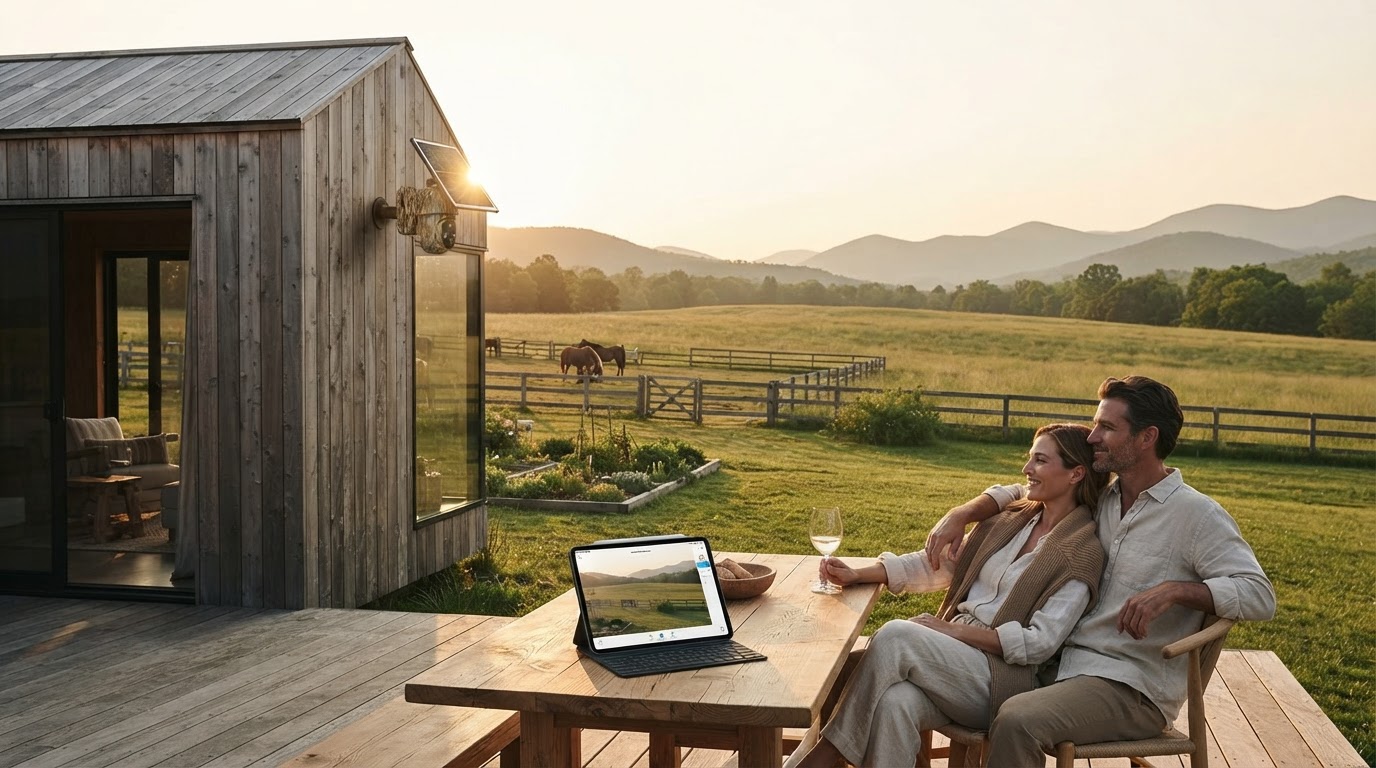
Solar Watch Cam Secures Growing Off-Grid Property Market
 Priya RamanSenior Analyst
August 1, 2026 — Remote property owners across the United States are increasingly abandoning traditional security infrastructures in favor of standalone, cellular-based systems. As off-grid living transitions from a niche lifestyle to a viable financial strategy, the Solar Watch Cam has emerged as a primary solution for locations lacking fixed utilities. This shift is driven by the need for autonomous protection in high-risk rural environments where emergency response times are naturally extended.
To evaluate the efficacy of these systems, we must look at a framework of operational autonomy. Think of it as a matrix of Connectivity and Power. Two axes matter here: the availability of a data signal and the consistency of energy intake. On one axis, we measure reliance on external infrastructure (Wi-Fi vs. 4G LTE); on the other, we measure maintenance requirements (manual charging vs. solar-fed batteries). Once you see it this way, it becomes clear that true security for a remote ranch or job site requires maximizing both cellular independence and solar efficiency.
Photo by Possessed Photography on Pexels
According to ROCKSOLAR, the rise in off-grid living is fueled by the desire for financial independence and the elimination of reliance on public utilities. However, this independence introduces vulnerabilities. AMAROK reports that off-grid sites are often more susceptible to vandalism and theft due to fewer witnesses. The Solar Watch Cam addresses this by utilizing 4G LTE connectivity from Verizon, T-Mobile, or AT&T, ensuring that even a remote cabin without internet remains monitored.
Because these properties often lack stable Wi-Fi, understanding how 4G cellular security cameras work is essential for owners. The Solar Watch Cam provides 2K HD video and AI-driven alerts to distinguish between actual threats and environmental noise. For those managing multiple locations, the ability to install off-grid security cameras in under ten minutes without an electrician provides a significant logistical advantage. When comparing cellular vs. Wi-Fi security cameras, the decision rule is simple: if the site lacks a managed router or consistent AC power, a 4G solar-integrated unit is the only viable path to 24/7 uptime.
Expert tip: When deploying cameras in extreme climates, verify the IP rating and operating temperature range. The Solar Watch Cam is rated IP65 and functions from -4°F to 122°F, which is critical for maintaining hardware integrity during US winters or desert summers where battery failure is most common.
As the trend toward remote residency continues, the integration of smart AI and reliable energy harvesting will remain the standard for protecting isolated assets.