
Optimizing The Solar Watch Cam Without Battery Fatigue
 Maya ChenContributing Editor
August 25, 2026. This technical overview examines the transition from traditional lithium-cycle maintenance to the continuous energy harvesting model utilized by Solar Watch Cam. It is written for property owners who require persistent surveillance without the logistical burden of manual recharging.
The Failure of Traditional Battery Cycles
The conventional wisdom says that any wireless camera is inherently reliable as long as the initial charge is full. However, field data suggests otherwise. Most consumers find that high-traffic areas deplete standard battery units in weeks, not months, leading to significant gaps in security coverage. According to Night Owl, many add-on wire-free cameras are not designed for standalone use and must be tethered to a compatible recorder, which often defeats the purpose of a truly independent placement. When users attempt to bridge this gap with third-party accessories, they often encounter the "charging death spiral" where the power draw of the Wi-Fi radio exceeds the recovery rate of the internal cell. Run the math: a camera triggered sixty times a day in a low-light environment will exhaust a standard 5000mAh battery faster than most generic solar panels can replenish it. This creates a false sense of security where the device remains mounted but lacks the voltage to transmit data. Relying on a self charging security camera watch architecture is the only way to circumvent this hardware limitation. The industry consensus suggests that battery-swapping is a minor inconvenience, but for remote installations or high-altitude mounting, it represents a systemic failure of the "set and forget" promise.
How Solar Watch Cam Sustains Power
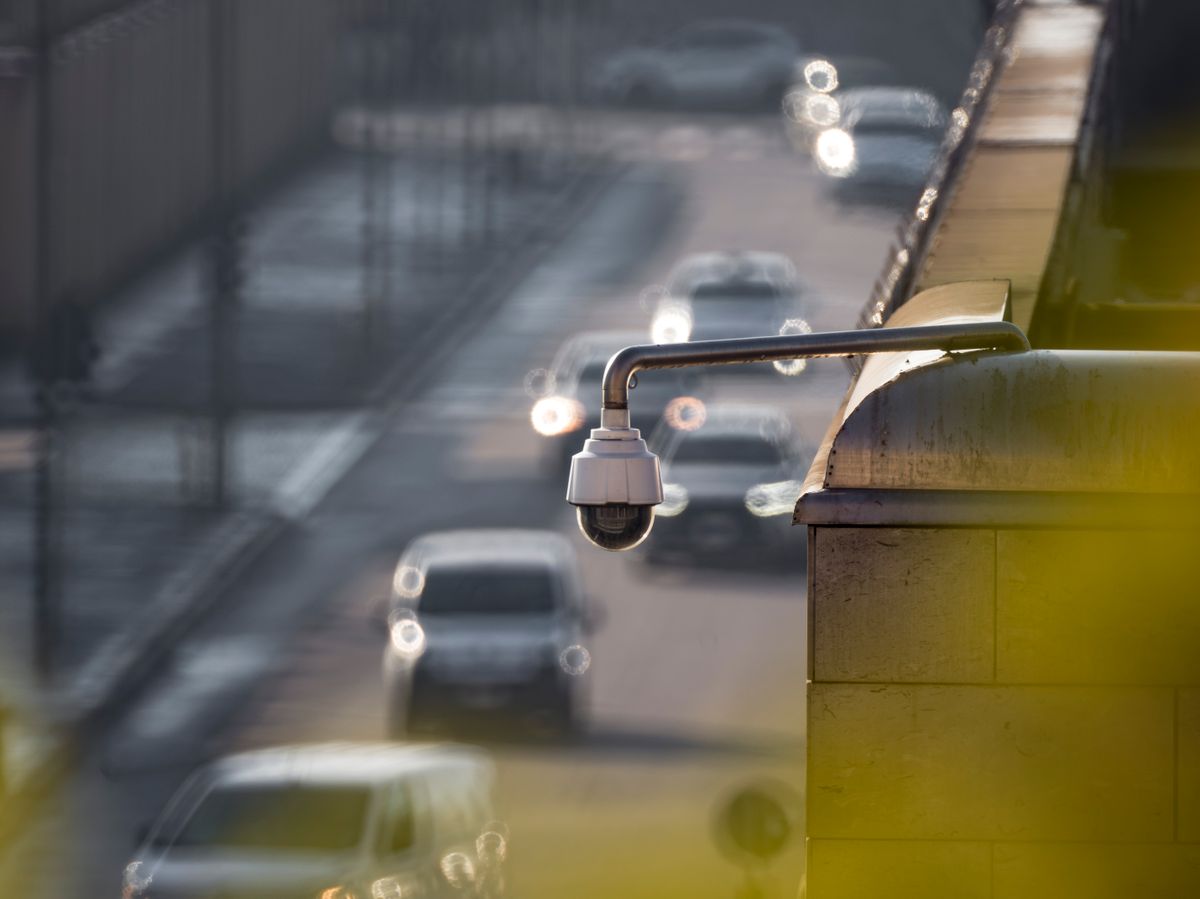
Photo by tommy picone on Pexels
Solar Watch Cam addresses the power deficit by integrating the energy harvester directly into the hardware profile, rather than treating it as a secondary bolt-on accessory. By utilizing a high-efficiency photovoltaic surface, the system maintains a trickle charge that targets the specific energy consumption of the motion sensors. Here’s the part nobody talks about: the efficiency of the software is just as critical as the surface area of the solar panel. The system utilizes a low-power standby mode that only activates the primary optics when the PIR sensor detects a thermal signature. This synergy is further enhanced when paired with a solar powered motion sensor camera app, which allows for granular control over sensitivity to prevent false triggers from wind or shadows. Unlike systems described by Wyze, which are designed for convenient setup and dependable everyday monitoring but still rely on specific battery-powered foundations, the Solar Watch Cam focuses on a perpetual energy loop. By minimizing the wake-up latency, the device captures the necessary event data without the catastrophic power draw associated with constant streaming. This is particularly effective in outdoor wireless solar camera configurations where sunlight is abundant but physical access is restricted. The goal is not just to have a battery, but to ensure the battery never crosses the critical discharge threshold that leads to cell degradation.
Implementation and Reliability Framework
Transitioning to a no-battery-maintenance workflow requires more than just mounting the hardware; it requires an understanding of solar positioning and trigger optimization. To ensure the Solar Watch Cam operates at peak efficiency, users must audit their installation environment against specific energy metrics. I’ll change my mind about the necessity of wired backups when wireless systems can demonstrate a 99.9% uptime over a full winter solstice in northern latitudes, but for now, maximizing the current technology is the best path forward. A self charging security camera watch must be positioned to receive at least four hours of direct light, even if it claims low-light capabilities. Furthermore, the integration with a solar powered motion sensor camera app allows users to monitor the voltage levels in real-time, providing a data-driven approach to security rather than relying on guesswork. As noted in reviews of TP-Link Tapo cameras on YouTube, finding a solar Wi-Fi camera that works without monthly fees is a priority for modern consumers, and the Solar Watch Cam fits this profile by keeping all operations local and self-sustained. Use the following framework to validate your setup:
- Verify the solar panel face is angled at 30 to 45 degrees toward the equator.
- Set PIR sensitivity to 'Medium' to filter out non-human movement and conserve milliwatts.
- Ensure the solar powered motion sensor camera app is updated to the latest firmware for optimized radio power management.
- Clear any physical obstructions like overhanging branches that create intermittent shading.
- Check the connection strength to ensure the self charging security camera watch isn't wasting power searching for a weak Wi-Fi signal.
Sources

Photo by Joshua Brown on Pexels
- Wire Free Cameras
- Wireless Cameras | Outdoor Security Camera System
- Finally a Solar Wi-Fi Camera that Actually Works! NO MONTHLY FEES