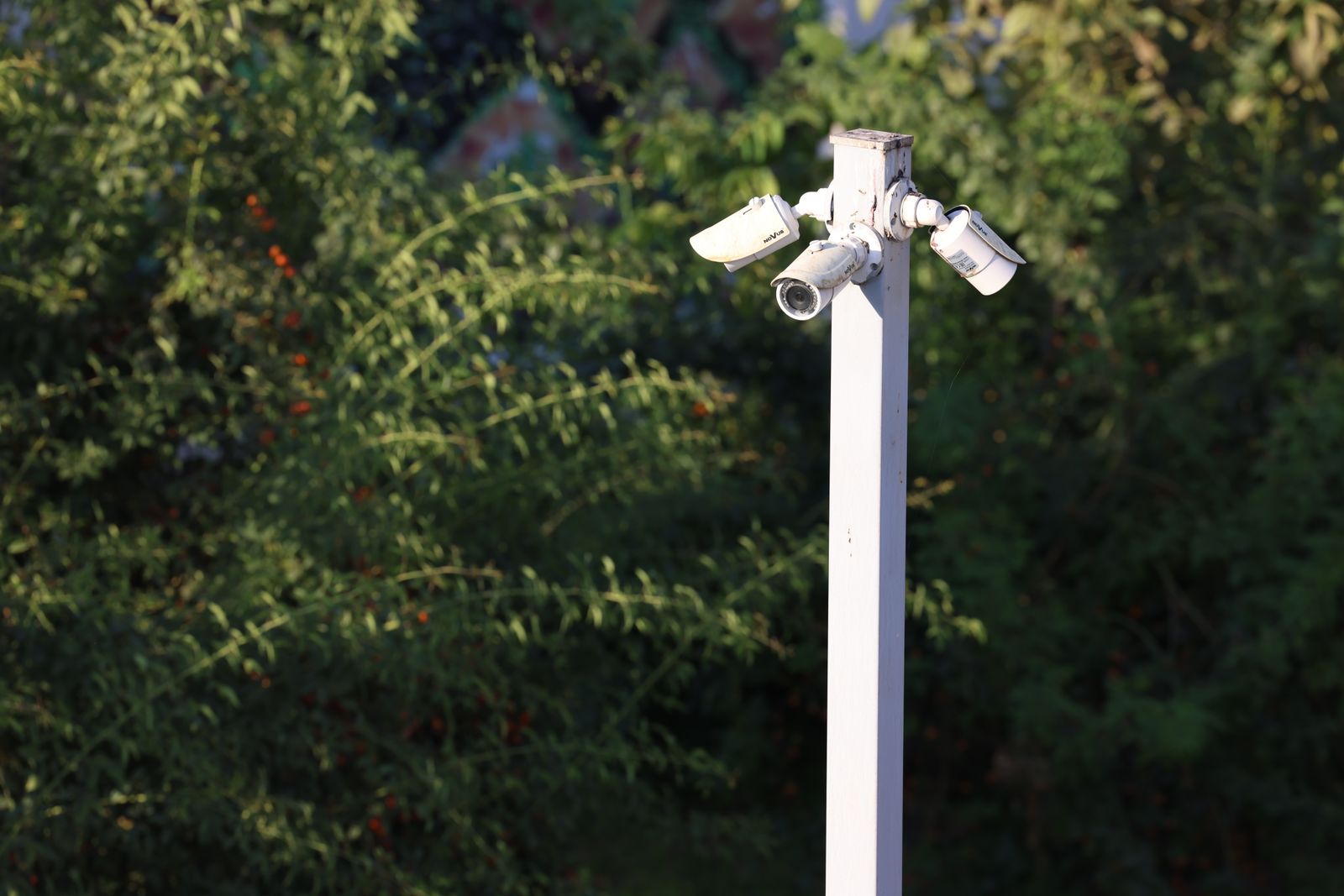
How to Fix Blurry Night Vision and Lens Glare on Outdoor Cellular Cameras
Fix blurry night vision and lens glare on outdoor cellular cameras by cleaning the glass, moving off reflective axes, and choosing IR vs spotlight on purpose—not by turning digital zoom up. A Solar Watch Cam is a cellular solar security camera with a 10,000 mAh battery; mount it 8–10 feet high so headlights and IR bounce less. Blurry night footage is usually dirt, condensation, or glare geometry.
Is Your Night Vision Feed Washed Out, Hazy, or Unreadable?
If day looks sharp and night is milky, think moisture film, webs, or IR bounce. If both are soft, think aim, dirty lens, or a housing pointed through a window. Outdoor cellular cameras cannot autofocus their way out of a wet spider web.
Diagnostic Flowchart: Isolate Your Night Vision Failure Mode
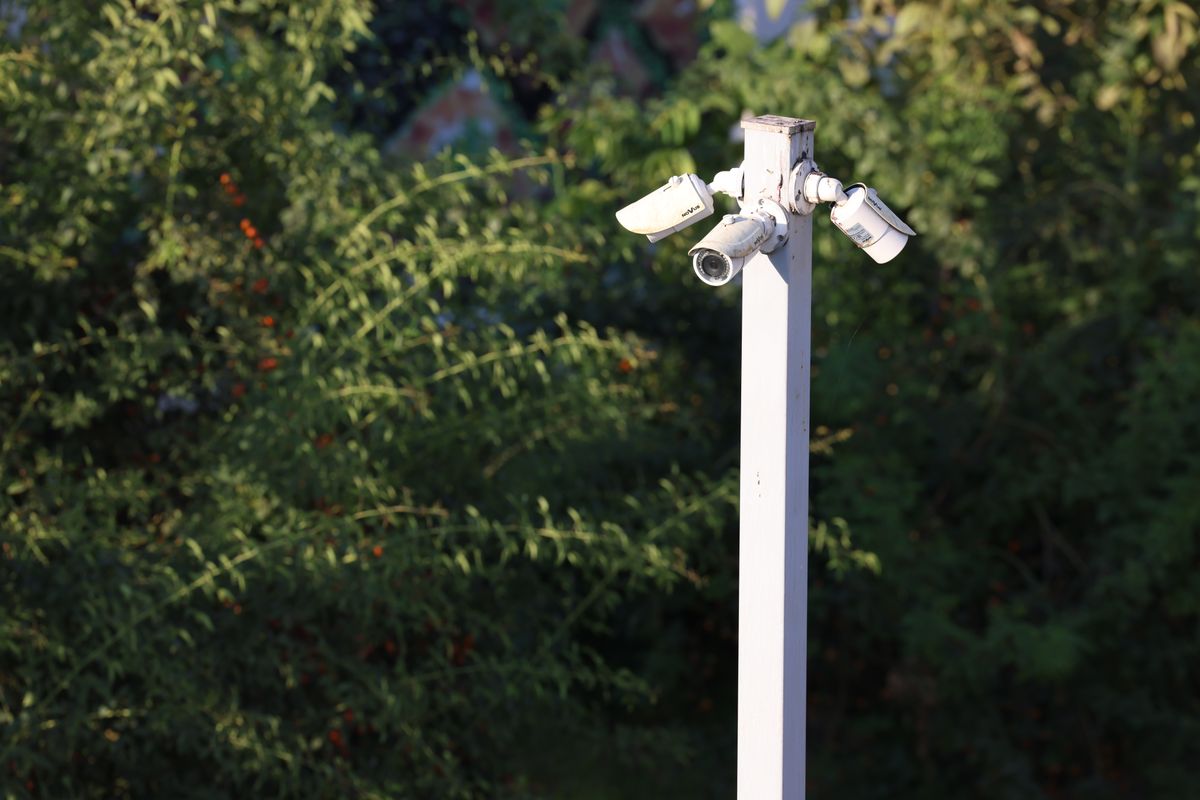
Photo by Xayriddin Baxromxo'jayev on Pexels
Side-by-Side Diagnostic Failure Modes & Field Fixes
| Mode | Looks like | Field fix | | --- | --- | --- | | Dirt / pollen | Haze | Wipe glass | | Web in IR | Sparkles / blur | Brush mount; move 8–10 ft | | Headlight glare | Streaks | Offset axis | | Condensation | Milk | Dry housing; check seals | | IR wash | White plate/wall | Lower IR; use brief spotlight | | Over-zoom | Mush | Move camera, do not zoom |
Field Expert Tip: Defeating the Spider Web & IR LED Magnet Effect
IR attracts insects; insects attract webs; webs glow. Clear the eave, mount 8–10 feet, and wipe weekly in bug season. See the solar camera motion detection settings guide so bugs do not become “motion.”
5-Minute Night Optics Field Alignment Checklist
- [ ] Wipe outer glass with a clean cloth
- [ ] Remove webs from the hood
- [ ] Confirm 8–10 foot height
- [ ] Pitch down off headlights
- [ ] Keep panel in sky, lens on the lane
- [ ] Toggle IR vs spotlight on one event
- [ ] Disable digital zoom
- [ ] Recheck a night clip from town
Diagram Specification: Optimal Lens Clearance & Mounting Angles
Give the lens clearance from soffits and white siding. A camera two inches under an eave will glaze itself with IR. Outdoor cellular cameras want a small hood, downward pitch, and no window glass in front of the lens.
Decision Tree: IR Black-and-White Mode vs. Spotlight Color Night Vision
Need ID? Spotlight pulse. Need endurance? IR, but watch washout. The 10,000 mAh pack pays for short color; it does not pay for a flood all night. See the floodlight integration benefits guide.
Recommended Off-Grid Equipment for Clear Night Optics
Solar Watch Cam at 8–10 feet with a clean lens and AI-triggered light. Add a second angle if glare is structural (a metal gate that always reflects).
Next Steps to Lock In Year-Round Night Clarity
Clean, aim, then pick a night mode. Recheck after the first rain.
Key Takeaways for Off-Grid Night Surveillance Maintenance
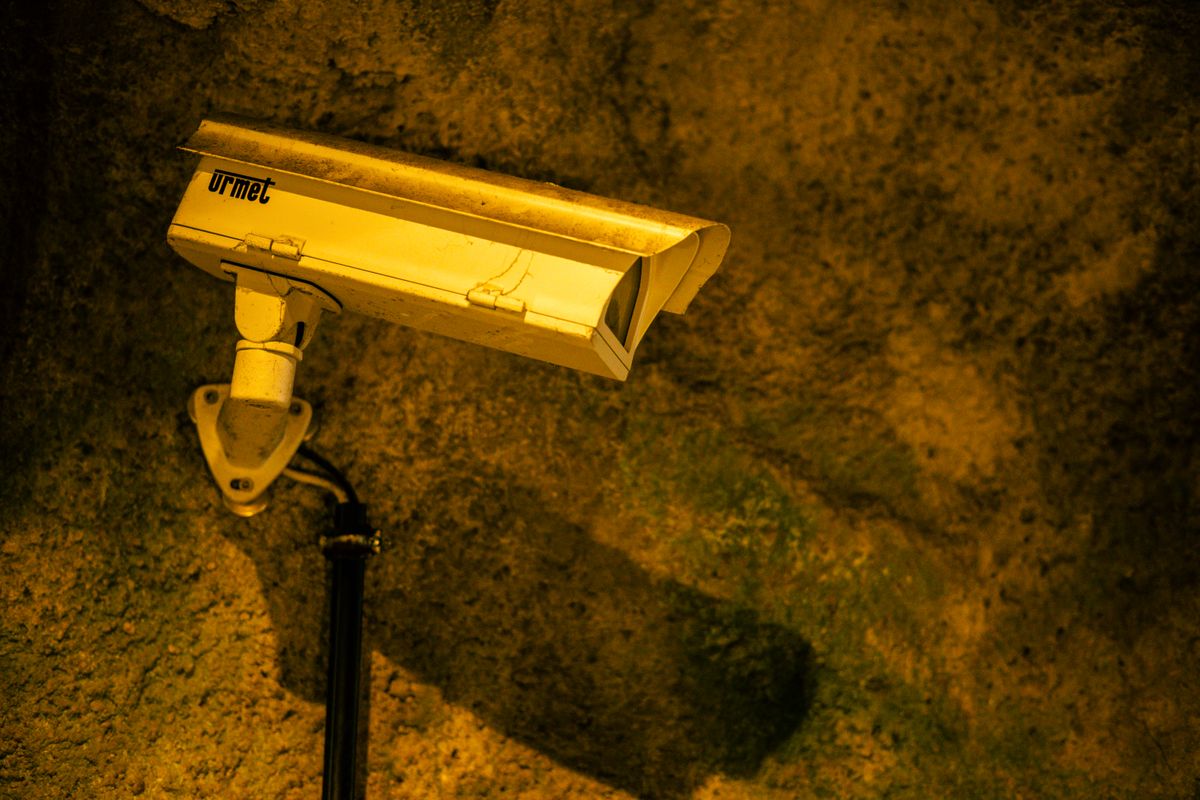
Blurry night vision is maintenance plus geometry. Glare is aim. Cellular does not cause milk.
Step-by-Step Fixes for Lens Condensation, Fogging, and Internal Haze
Power down if the app allows, open the card door only in dry air, blot, reseal glands, and do not trap wet air at noon. If the inner pane stays fogged, the gasket failed—replace the housing path rather than wiping the outside forever.
Common Mistakes That Destroy 2K Night Clarity on Remote Cameras
Frequently Asked Questions About Cellular Camera Night Glare
How do I fix blurry night vision and lens glare?
Clean, offset headlights, and stop max IR into reflectors.
Does 4G cause blur?
No. Optics and weather do.
Will a 10,000 mAh battery fix haze?
Only if the camera was brownout-rebooting. True haze is glass.
Is spotlight better for glare?
It can be, if it is brief and aimed at the scene, not the lens.
How high should outdoor cellular cameras sit?
8–10 feet for glare control and theft resistance.
Related Off-Grid Camera Maintenance & Optics Guides
Use how to install a solar cellular security camera if you must relocate off a reflective wall, and the weatherproofing solar camera setup guide for seals.
What to do next
Wipe the lens, pitch the Solar Watch Cam down from 8–10 feet, and pick IR or a short spotlight based on whether you need ID or endurance. Fix blurry night vision and lens glare on outdoor cellular cameras with geometry before you buy a new sensor.
Cover photo by Xayriddin Baxromxo'jayev on Pexels.