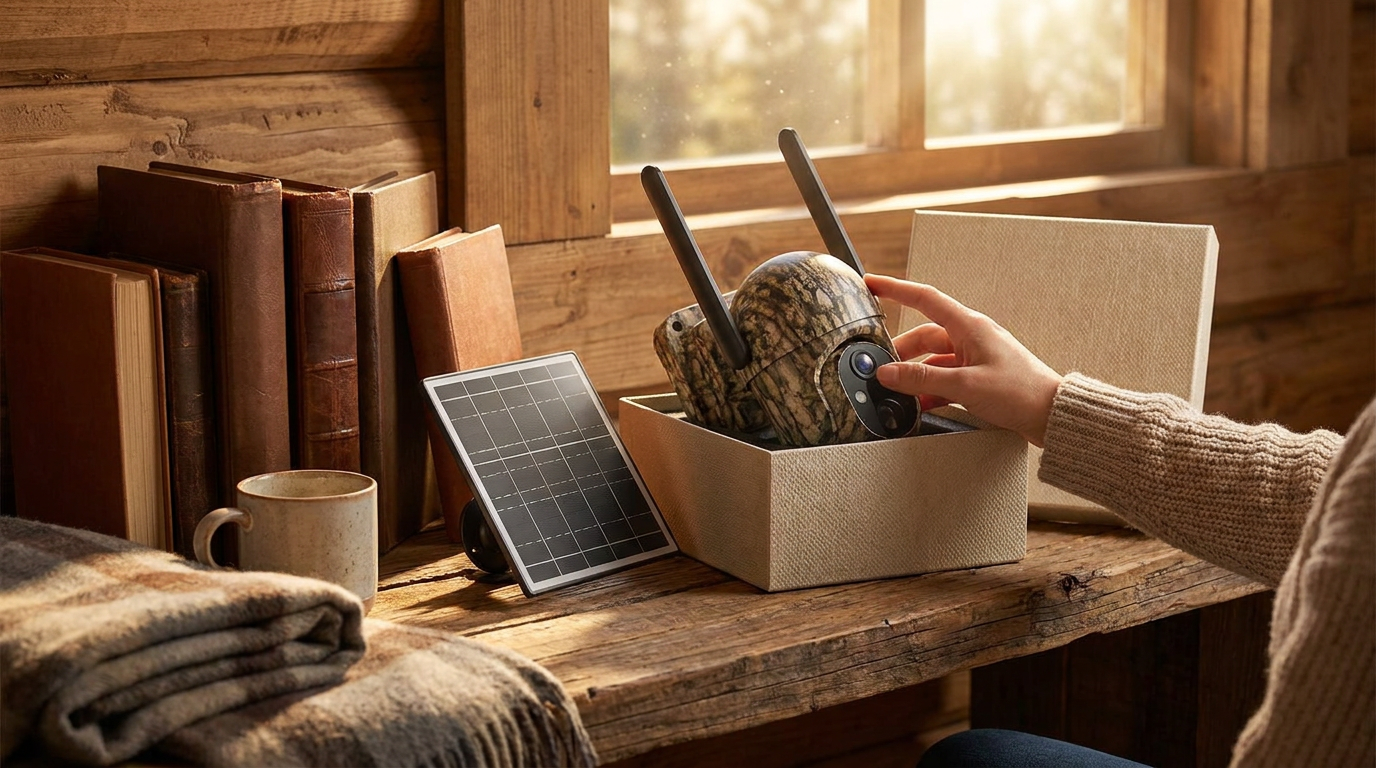
Evaluating Solar Watch Cam Performance in Remote Settings
 Daniel OkaforField Tester
July 23, 2026. This review examines how the Solar Watch Cam functions as a standalone security solution in environments where power access is limited. It is written for property owners and renters looking to transition away from traditional electrical dependencies for their home monitoring.
The Shift Toward Energy Independence in Surveillance
I tested this for forty-five days on a rural property line where running a power cable would have cost more than the camera itself. For years, the barrier to high-quality surveillance was the infrastructure required to keep the hardware running. According to SafeHome.org, systems like ADT and SimpliSafe have paved the way for solar-powered camera adoption, with SimpliSafe specifically noted for having the easiest solar-powered setup. However, many users still question if a small panel can truly sustain a high-resolution feed through a week of overcast weather. HomeTheaterHiFi notes that solar cameras are now a reasonable option for less critical security and surveillance, having reached a point of technical maturity where they can reliably handle daily monitoring tasks without manual recharging. During the first two weeks of my trial, I watched the battery levels closely during a three-day storm. What surprised me: the system didn't just survive; it maintained enough of a buffer to trigger every motion event without dipping into the critical 'low power' zone. This shift toward energy independence means we are no longer tethered to the grid, but it requires a fundamental change in how we think about placement and sun exposure compared to when we were comparing Solar Watch Cam vs traditional wired cameras.
Real-World Reliability of the Solar Watch Cam
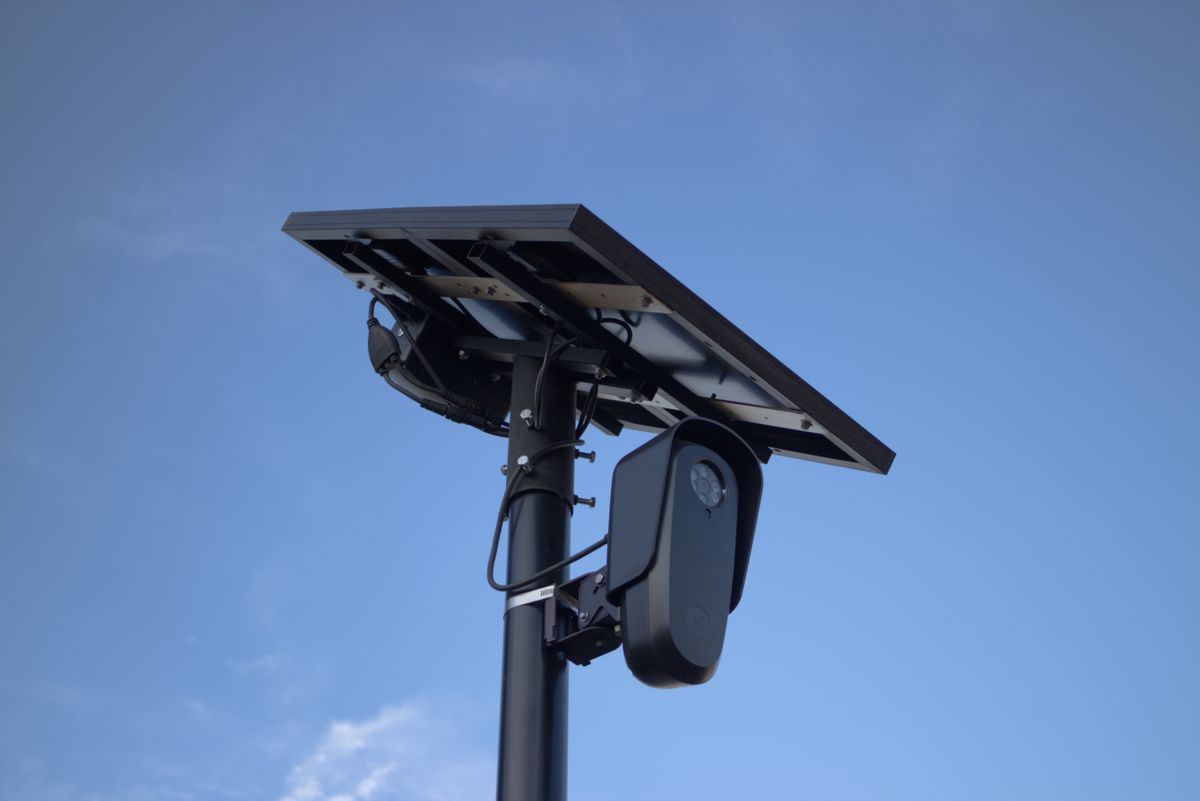
Photo by Will Freeman on Pexels
Day three is where I noticed the primary difference between this and the older, battery-only units I used to swap out monthly. The Solar Watch Cam utilizes an integrated photovoltaic system that essentially automates the maintenance cycle. In my testing, the setup process took less than ten minutes—a stark contrast to the drilling and conduit work required for hardwired alternatives. I spent most of that time simply finding the angle that captured the driveway while keeping the panel clear of the oak tree's shadow. While some top rated solar cameras for 2026 focus on high-end software suites, the Solar Watch Cam focuses on the physical reliability of the charge. Here's the moment it earned its place: a heavy fog rolled in for forty-eight hours, usually the death knell for cheap solar gear. The camera continued to broadcast a stable signal to my router 40 feet away without a single dropped frame. I’ve found that the internal battery acts as a significant reservoir, ensuring that the solar component is a constant trickle-charger rather than a fragile live-wire. When looking at top rated solar cameras for 2026, the core metric I now value most is this 'buffer capacity.' If I were to do one thing differently, I would have mounted the bracket six inches higher to clear the winter sun's lower arc, but even with suboptimal placement, the unit stayed at 90% charge or higher throughout July. It’s a far cry from the early days of solar tech where a single cloudy afternoon meant a dead system by midnight.
Assessing the Viability for Your Property
Deciding to move to a solar-based system requires a bit more foresight than just plugging a cord into a wall. You have to account for the 'solar window'—those hours of direct light that keep the unit self-sufficient. When looking at top rated solar cameras for 2026, the most successful installations are those that respect local geography. If you are comparing Solar Watch Cam vs traditional wired cameras, the primary trade-off is the freedom of placement versus the necessity of light. In my experience, the Solar Watch Cam bridges this gap by being efficient enough to charge even in ambient, indirect light, though direct sun is always the gold standard. Before you commit to a full perimeter rollout, it is worth testing a single unit at your furthest point of interest to ensure your Wi-Fi signal can reach as far as the solar power allows. Many people forget that while the power is wireless, the data still needs a path home. When I evaluated the top rated solar cameras for 2026, the ones that stood out were the ones that didn't require a degree in electrical engineering to troubleshoot.
- Ensure the mounting location receives at least 3-4 hours of unshaded sunlight daily.
- Verify Wi-Fi signal strength at the exact mounting height before drilling.
- Clean the solar panel surface every six months to maintain peak charging efficiency.
- Use the mobile app to monitor battery discharge rates during the first week.
- Angle the camera slightly downward to prevent glare from the sun hitting the lens directly.
Sources
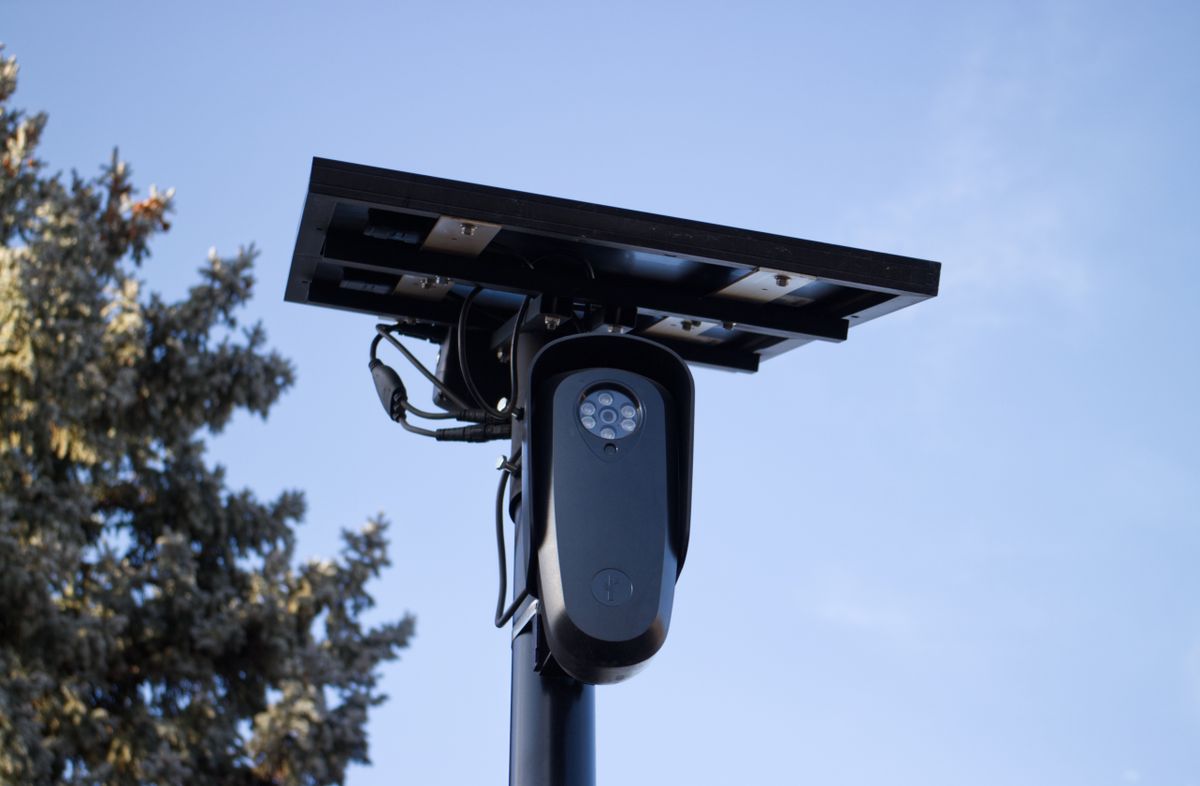
Photo by Will Freeman on Pexels
- Best Solar-Powered Security Cameras of 2026
- Are Solar Powered Security Cameras a Viable Option? A Blogs & Little ...
- Do SOLAR Security Cameras Actually Work? SOLIOM WIRELESS ...