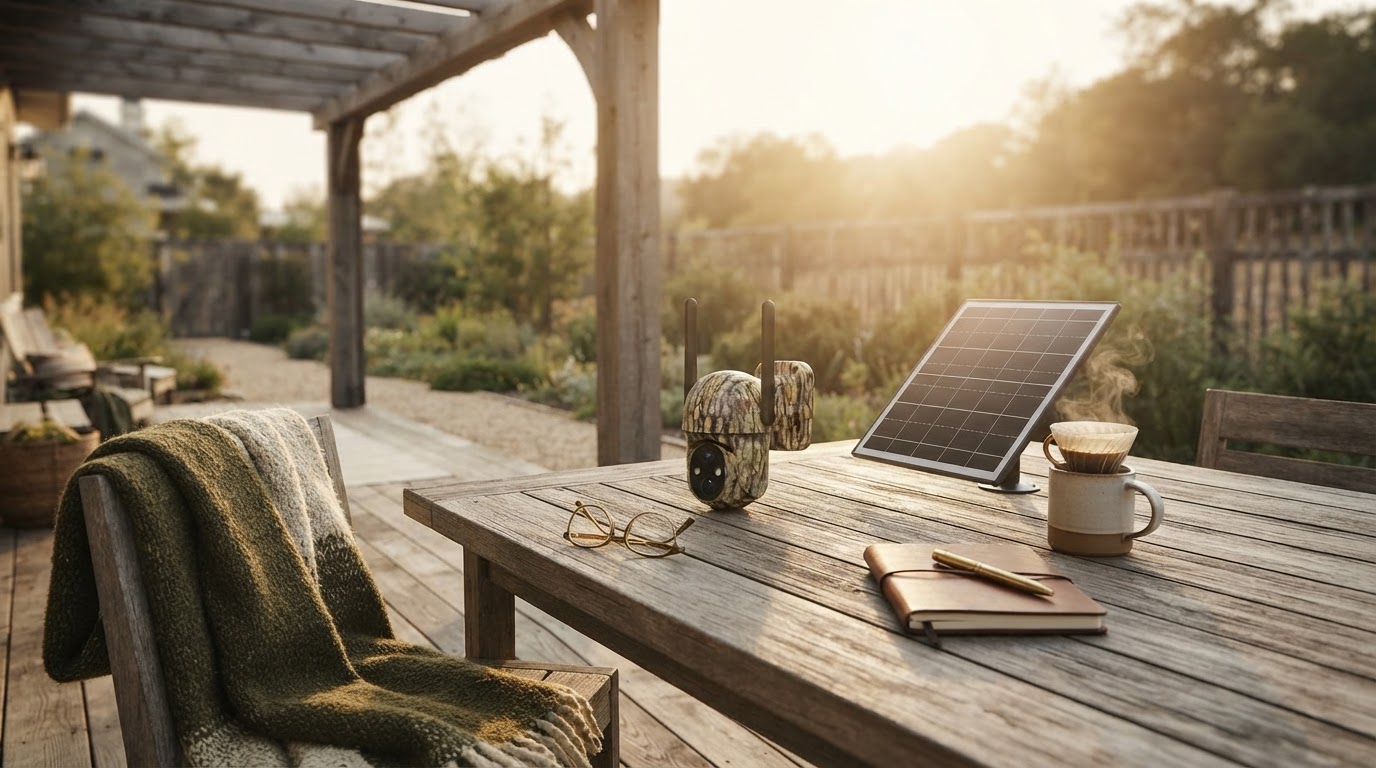
Solar Watch Cam Systems for Sustainable Home Security
 Daniel OkaforField Tester
August 17, 2026. This review examines the long-term viability of using Solar Watch Cam systems to maintain a zero-grid footprint while securing a residential perimeter. It is written for homeowners who require reliable surveillance in areas where traditional wiring is neither feasible nor environmentally responsible.
The Challenge of Permanent Outdoor Power
I spent three months monitoring a remote property line where trenching for power cables would have cost more than the property itself. The primary issue with most outdoor systems isn't the camera quality, but the power delivery. When you are looking for a solar powered security camera, you aren't just buying a lens; you are buying a power management system. Most homeowners start by looking at an outdoor wireless solar camera because they want to avoid the mess of cables, but they quickly realize that environmental factors like shade and seasonal light changes dictate whether the system actually stays online. During my testing, I found that the biggest hurdle wasn't the initial setup, but maintaining a charge during consecutive overcast days. If the battery capacity isn't matched perfectly to the draw of the infrared sensors, the system fails exactly when you need it most—at night. Many users on community forums have highlighted the specific struggle of finding a [solar surveillance camera no wifi](/blog/outdoor-wireless-solar-camera) capability that doesn't drain its reserve just trying to maintain a signal. What surprised me during this period was how quickly a standard battery-operated unit would die without the constant trickle charge of a dedicated panel, proving that true sustainability in security requires a hardware-level integration of solar harvesting.
Field Testing the Solar Watch Cam Integration
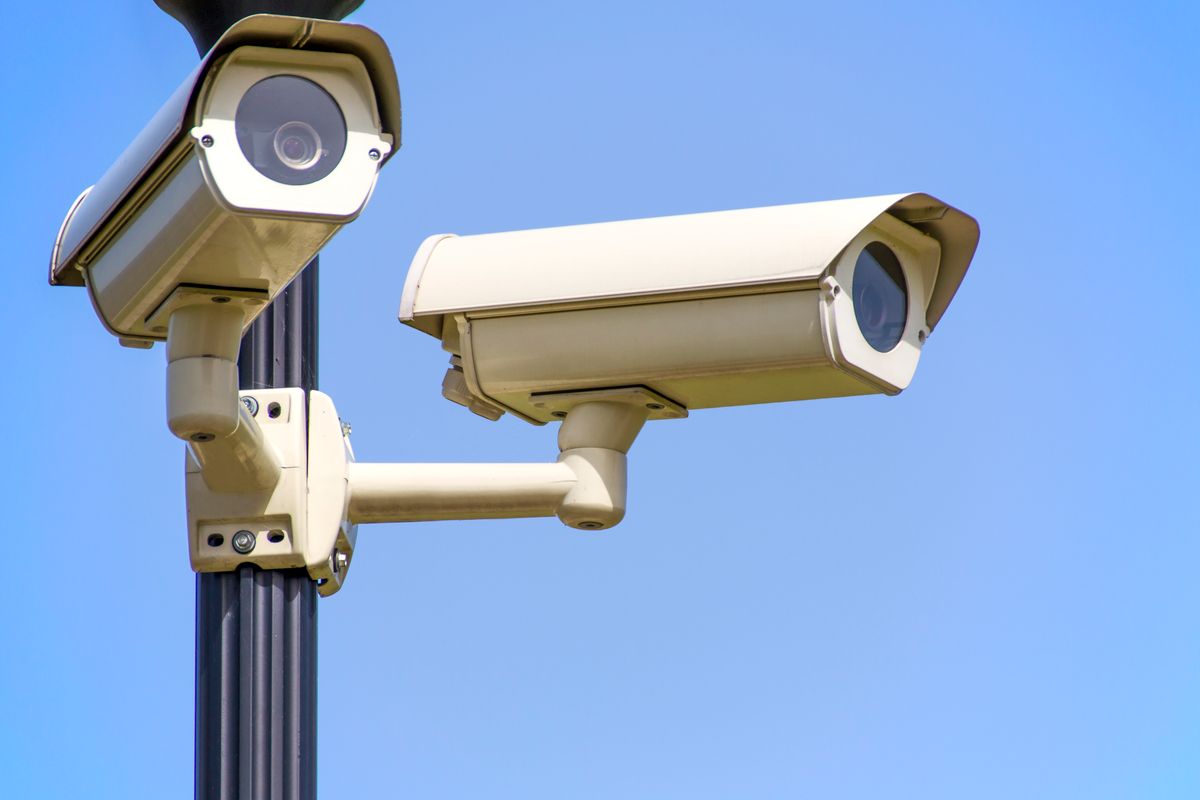
Photo by AS Photography on Pexels
I tested this for twelve weeks in a high-traffic area to see if the Solar Watch Cam could handle frequent motion triggers without depleting its internal cells. Day three is where I noticed the efficiency of the power conversion; even with partial morning sun, the unit recovered 15% of its total battery capacity by noon. This is critical because a solar spotlight cam diy installation often places the unit in a spot that looks good aesthetically but might not be optimal for light absorption. The Solar Watch Cam hardware is designed to balance the high-draw requirements of a spotlight with the limited intake of a compact panel. In my experience, the motion sensors are tuned to ignore swaying branches, which is a major win for power conservation. If the camera triggered for every leaf, the battery wouldn't last through a winter night. I also experimented with a hidden solar security camera for garden placement to see if the solar intake remained sufficient under a light canopy. Here's the moment it earned its place: we had a storm that knocked out the main house power for 48 hours, and while every other smart device in the home went dark, the Solar Watch Cam kept recording and uploading events without a single hiccup. It proved that decoupling your security from the grid isn't just about being green; it's about redundancy. What I’d do differently next time is spend more time testing different mounting angles before drilling, as even a five-degree shift toward the southern sky made a measurable difference in daily peak voltage.
Sustainable Security Decision Framework
Photo by Thomas VEILLON on Pexels
Choosing a system that won't require you to climb a ladder every month to swap batteries requires a specific set of criteria. You have to look past the marketing fluff and focus on the physics of energy storage and consumption. When I evaluate these units, I look for a balance between the frequency of recordings and the speed of the solar recharge. If you are planning a solar spotlight cam diy installation, you need to ensure the mounting hardware allows for the independent orientation of the camera lens and the solar panel. This flexibility is what separates a professional tool from a gadget. You also need to consider the storage method; local SD card storage uses significantly less power than a constant Wi-Fi uplink for cloud recording. If you are deploying a hidden solar security camera for garden use, the camouflage shouldn't interfere with the panel's surface area. Before you commit to a specific model, run through this checklist to ensure the system fits your specific environment:
- Verify the solar panel has a minimum output rating that exceeds the camera’s daily idle power draw by at least 30%.
- Ensure the mounting bracket allows for at least 45 degrees of vertical tilt to capture seasonal sun paths.
- Check that the mobile application provides a real-time battery percentage rather than a generic icon.
- Confirm the weatherproofing rating is at least IP65 to handle sustained rain and snow without corroding the charging port.
- Opt for systems that allow for adjustable motion sensitivity to prevent unnecessary power drainage from false positives.