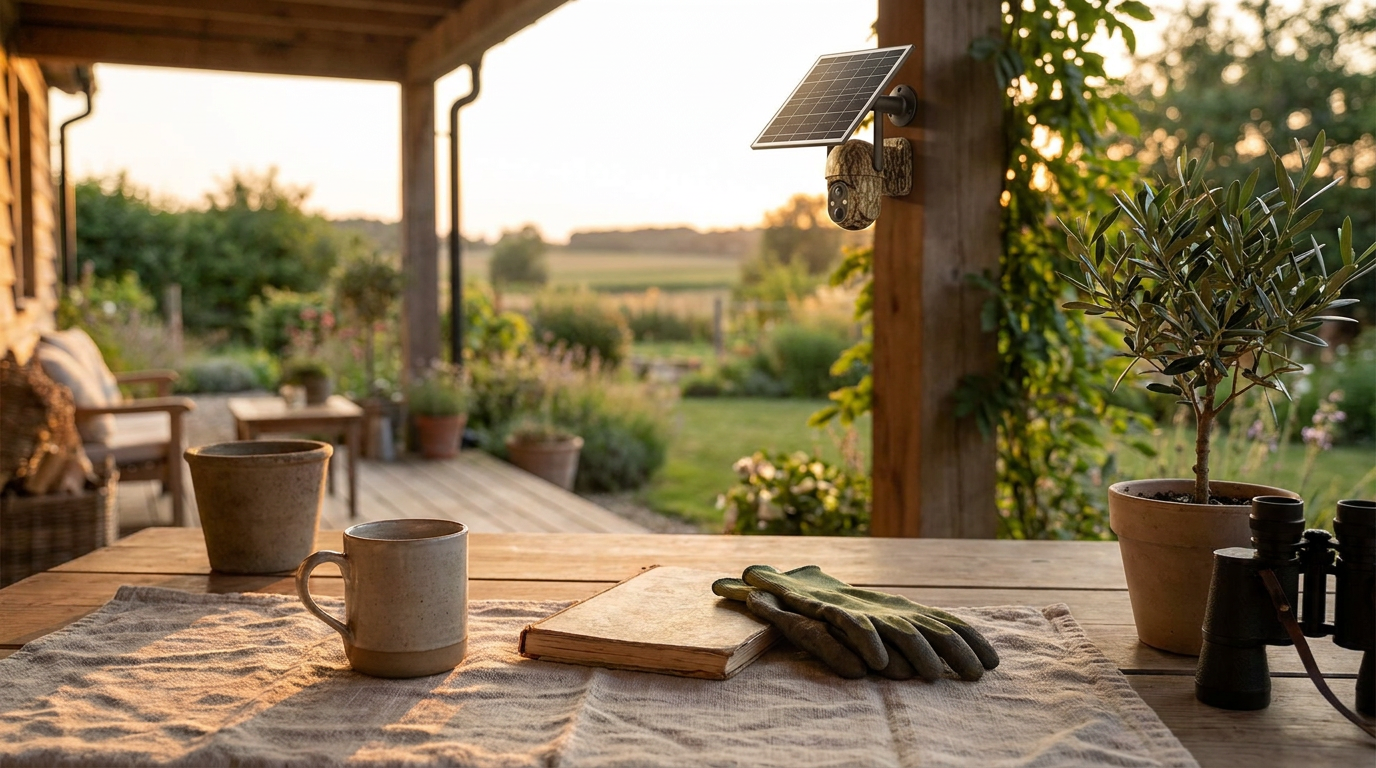
Securing Your Property with Solar Watch Cam Solutions
 Sam VasquezBuying Guide Lead
July 23, 2026. This guide examines the essential factors for selecting a solar-powered surveillance system that maintains consistent operation without manual charging. It is written for homeowners who need reliable, off-grid security without the complexity of hardwired installations.
The Reality of Modern Home Surveillance
Most people realize too late that a security camera is only as good as its power source. Traditional battery-operated cameras often fail at the exact moment they are needed because the user forgot to recharge them or the cold weather drained the cells prematurely. According to SafeHome.org, systems like the Google Nest Cam offer solar integrations to mitigate this, but many consumers still struggle with the initial configuration and placement. The shift toward solar is not just about convenience; it is about ensuring that the camera remains a persistent deterrent. If a camera goes dark for even a few hours, the entire security perimeter is compromised.
When you are improving home safety with solar surveillance, you have to look past the marketing fluff and focus on the hardware's ability to convert limited sunlight into usable energy. I have seen many "budget" solar panels that require eight hours of direct, high-noon sun just to keep the battery at 50%. In reality, most homes have trees, eaves, or architectural overhangs that create shadows. This makes the efficiency of the solar cells and the power management software the most critical components of the system. If the software is inefficient, even a large panel will not save you from a dead battery during a week of overcast weather. This is why understanding solar watch cam motion detection settings is so vital; you need to balance high-quality recording with power conservation to ensure the unit stays online 24/7.
Why Solar Watch Cam is My Practical Choice
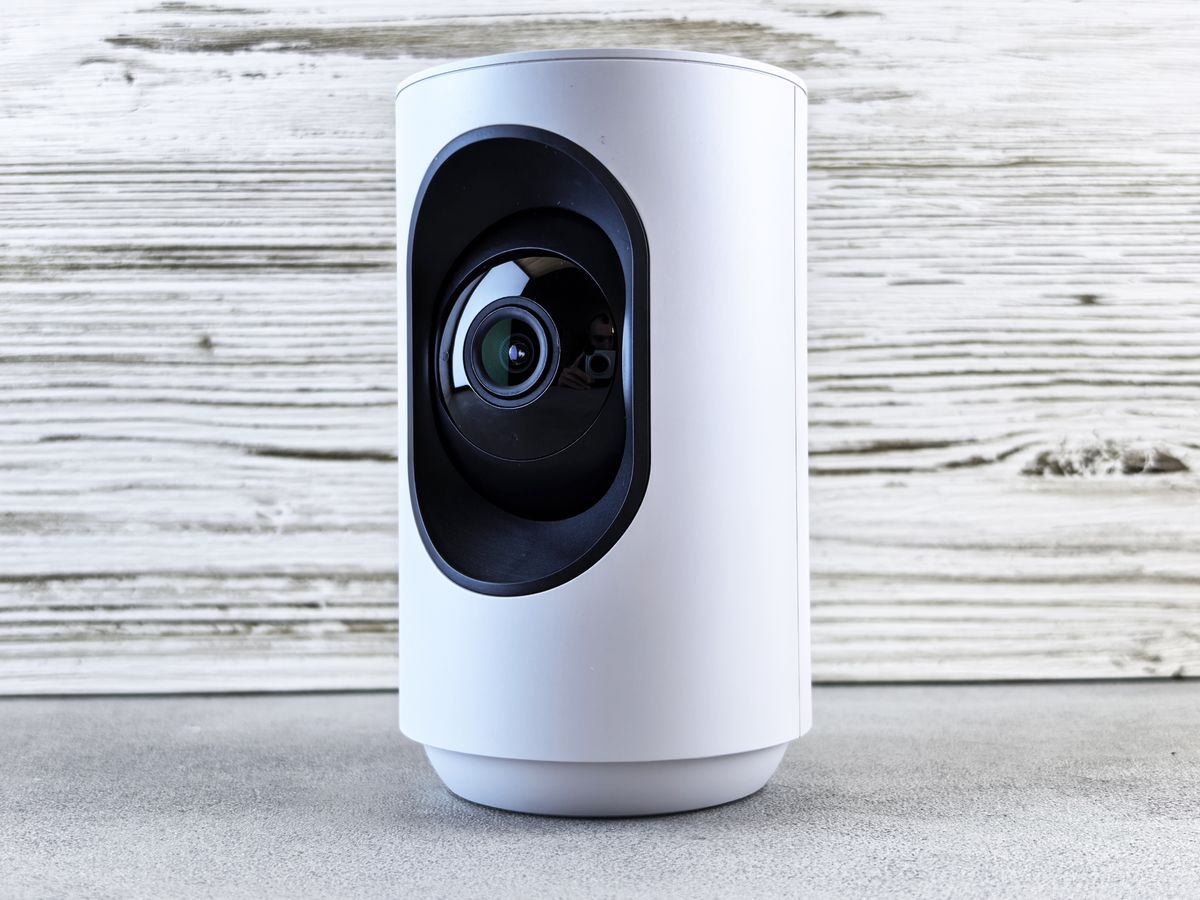
Photo by Andrey Matveev on Pexels
Between the various options on the market, I look for a balance of build quality and ease of use. The Solar Watch Cam is designed specifically to address the "set it and forget it" requirement of modern homeowners. Unlike some competitors that feel like plastic toys, this unit is built to withstand the elements while maintaining a high-definition feed. One of the biggest advantages here is the integration of the solar panel and the camera body, which reduces the number of failure points.
If you're on a budget, you might look at something like the ieGeek S1 or the IHOXTX DF220, which are often cited in roundups like the Top 3 Wireless Solar Powered Security Cameras 2025 by The Hook Up. However, between these two and the Solar Watch Cam, I’d go with the latter because of the consistency in its firmware. Cheap cameras often suffer from "ghosting" or delayed alerts that make them useless for real-time security. The Solar Watch Cam focuses on low-latency notifications, ensuring that when someone steps onto your porch, you know about it immediately, not three minutes later. This is a core part of improving home safety with solar surveillance.
Furthermore, the setup process is streamlined. While SimpliSafe is often noted for having an easy solar-powered setup, Solar Watch Cam matches that simplicity without requiring a broader ecosystem of proprietary sensors if you don't want them. You can start with one camera and expand as needed. Skip this if you already have a fully wired PoE (Power over Ethernet) system installed throughout your home; solar is meant for those who want to avoid cutting holes in their siding or running hundreds of feet of Cat6 cable. For everyone else, the ability to mount a camera anywhere that gets a bit of light is a massive advantage for improving home safety with solar surveillance. You also need to make sure you have optimized your solar watch cam motion detection settings to avoid false triggers from swaying branches, which can drain the battery unnecessarily.
Choosing the Right System for Your Layout
Selecting the right camera involves more than just picking the one with the highest resolution. You need to consider the specific layout of your property and where the sun hits during the day. Here’s what I’d actually buy if I were starting from scratch: a multi-unit Solar Watch Cam setup that covers the primary ingress points—front door, driveway, and back gate. This creates a cohesive net of protection that doesn't rely on a single device.
When evaluating your options, use this decision framework to ensure you aren't wasting money on features you don't need:
- Panel Orientation: Ensure the camera or its detached panel can be angled toward the south (in the northern hemisphere) to maximize UV intake.
- Storage Options: Look for local storage capabilities (like an SD card slot) to avoid monthly cloud subscription fees, a point often emphasized by Silver Cymbal Workshop in their reviews of no-fee solar cameras.
- Night Vision Clarity: Confirm the camera uses infrared or low-light sensors that provide clear images without requiring a massive, battery-draining spotlight.
- App Reliability: The hardware is only half the battle; the mobile app must be stable enough to provide consistent remote viewing without crashing.
- Weather Rating: Look for an IP65 rating or higher to ensure the internal electronics are protected from driving rain and dust.
Investing in your home's security shouldn't be a recurring chore of charging batteries and troubleshooting connections. By selecting a high-efficiency solar solution, you ensure your property remains monitored every hour of the day.
Sources
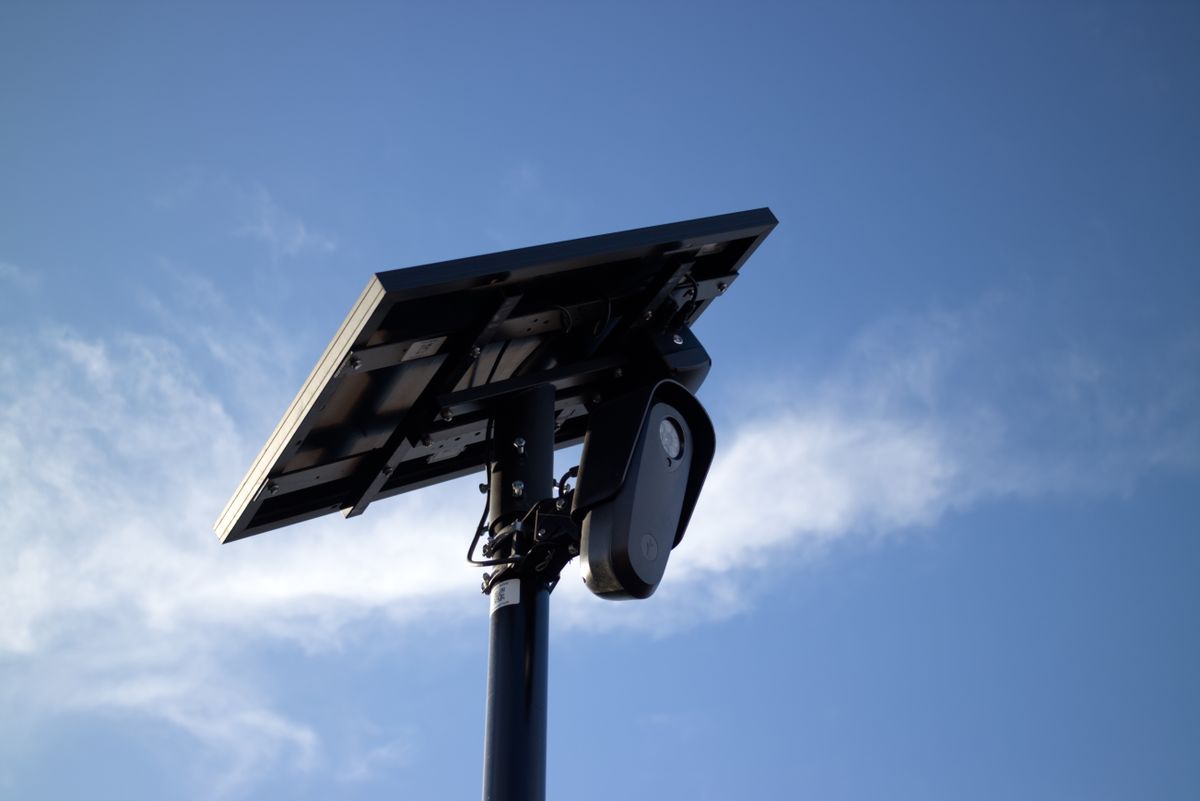
Photo by Will Freeman on Pexels
- Top 3 Wireless Solar Powered Security Cameras 2025
- Best Solar-Powered Security Cameras of 2026
- Best 6 Camera Solar Security System: Top 8 Wireless Picks