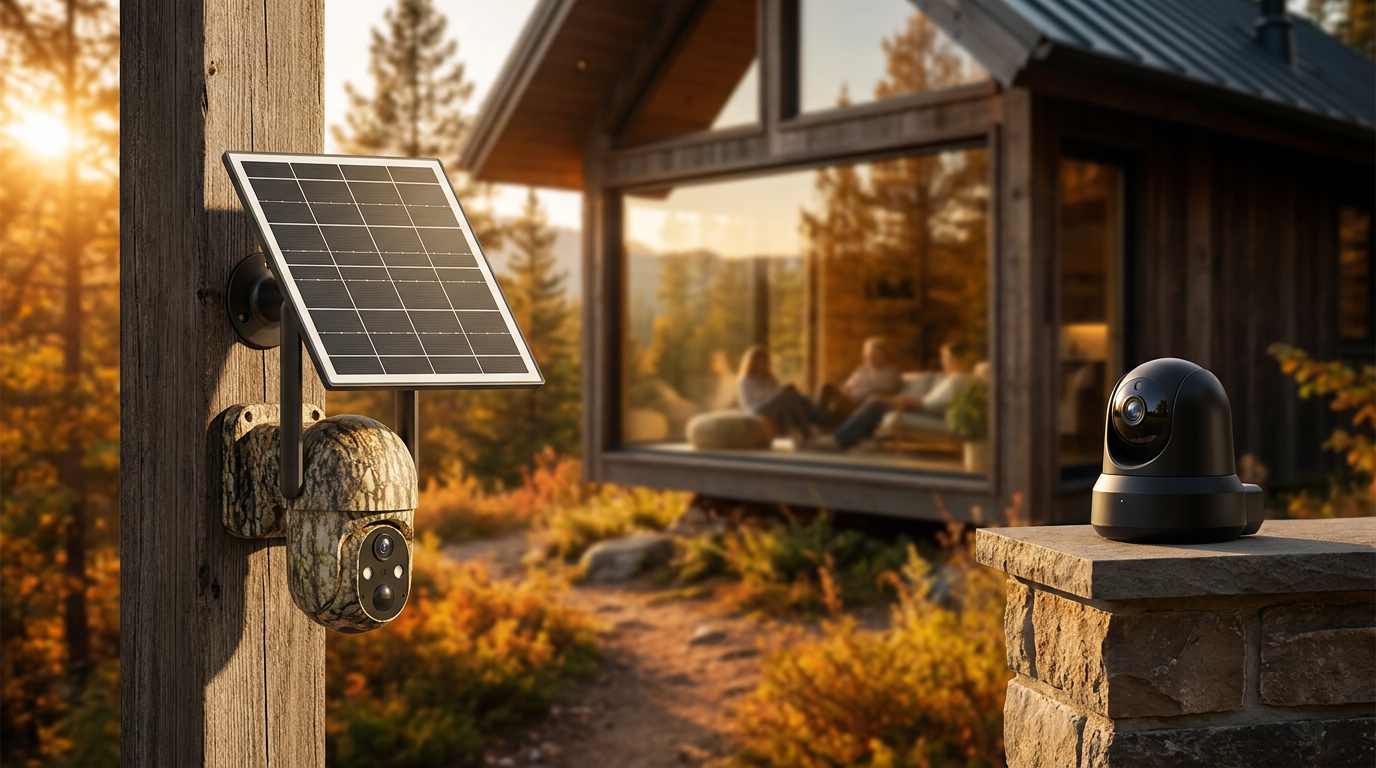
Solar Watch Cam Versus Conventional Wireless Security
 Priya RamanSenior Analyst
July 27, 2026. This analysis evaluates the architectural differences between integrated solar lighting systems and standalone wireless security units. It is intended for property owners seeking a balance between high-intensity illumination and reliable 2K video monitoring without the constraints of hardwiring.
To understand the current market, think of it as a matrix of power efficiency and lumen output. When evaluating a wireless solar floodlight camera, two axes matter here: the consistency of the energy harvest and the intelligence of the motion-triggered response. Traditional floodlights often suffer from a binary operation mode—either they are on and draining battery rapidly, or they are off and providing no visual clarity for the camera sensor. According to Arlo Pro 3 Floodlight Camera with 2K Video documentation, high-performance units now utilize bright LED lights and built-in sirens to bridge the gap between simple illumination and active deterrence. However, the challenge for many consumers remains the installation height; a light mounted too high may lose camera detail, while one mounted too low loses its effective illumination radius. The decision rule for most households involves calculating the specific square footage requiring coverage against the typical sun exposure of the mounting site. Without a reliable solar intake, even the most advanced 2K sensor becomes a decorative fixture once the internal cell depletes. This necessitates a deep look into the benefits of floodlight and camera integration to ensure the hardware selected can actually perform during consecutive days of overcast weather.
The Solar Watch Cam addresses these environmental variables by prioritizing a high-conversion solar interface paired with a 2K resolution sensor. In the competitive landscape, the Reolink Solar Floodlight Cam offers a 150° wide view and AI-based adaptive lighting, which sets a high benchmark for peripheral visibility. Solar Watch Cam utilizes a similar wide-angle approach to ensure that the floodlight does not create "hot spots"—areas where the light is so bright it white-washes the camera's video feed. By syncing the activation of the LEDs with the precision of the PIR (Passive Infrared) sensor, the system avoids the common pitfall of false triggers caused by swaying branches or passing pets. This efficiency is critical for maintaining the solar watch cam battery life expectations that users require for year-round operation. Once you see it this way, the integration is no longer just about having a light and a camera in one housing; it is about power management. The Solar Watch Cam is engineered to reserve a specific percentage of its battery capacity for the camera's core functions, ensuring that even if the floodlight is used frequently, the surveillance recording remains uninterrupted. This tiered energy strategy is what separates professional-grade solar hardware from entry-level consumer gadgets that often fail during the winter months when daylight hours are shortest.
Selecting the right system requires a structured decision framework based on your specific property layout. If your primary goal is to monitor a large driveway, the lumen count and the trigger distance of the PIR sensor are your primary metrics. For those focused on a small entryway, the clarity of the 2K video and the two-way audio features take precedence. As noted in the Reolink Solar Floodlight Camera - Things to KNOW! review, having 1000 lumens of brightness is a significant advantage for color night vision, as it allows the camera to capture details that infrared-only sensors might miss. When you are ready to implement a system, use the following checklist to ensure the hardware matches your environment:
- Verify the mounting location receives at least 4 hours of direct sunlight daily to support the 2K sensor.
- Check that the benefits of floodlight and camera integration include customizable motion zones to prevent unnecessary battery drain.
- Confirm the solar watch cam battery life expectations align with your local climate, particularly for cold-weather performance.
- Ensure the wireless signal strength at the installation point is sufficient for high-definition video streaming.
- Assess whether the 150° field of view covers all entry points or if multiple units are required for total perimeter security.
Sources
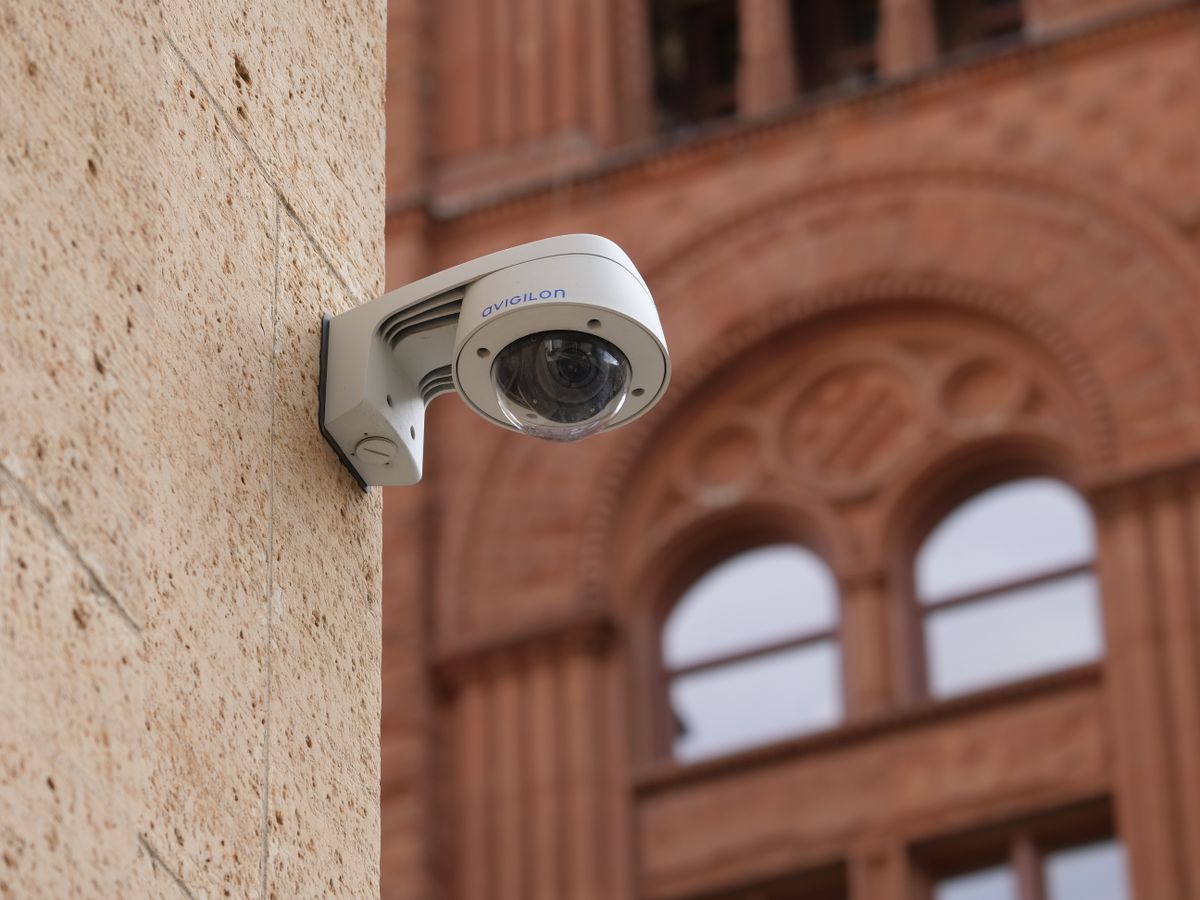
Photo by Giant Asparagus on Pexels
- Arlo Pro 3 Floodlight Camera with 2K Video
- 2K Wireless Solar-Powered Camera with Floodlights
- Reolink Solar Floodlight Camera - Things to KNOW!